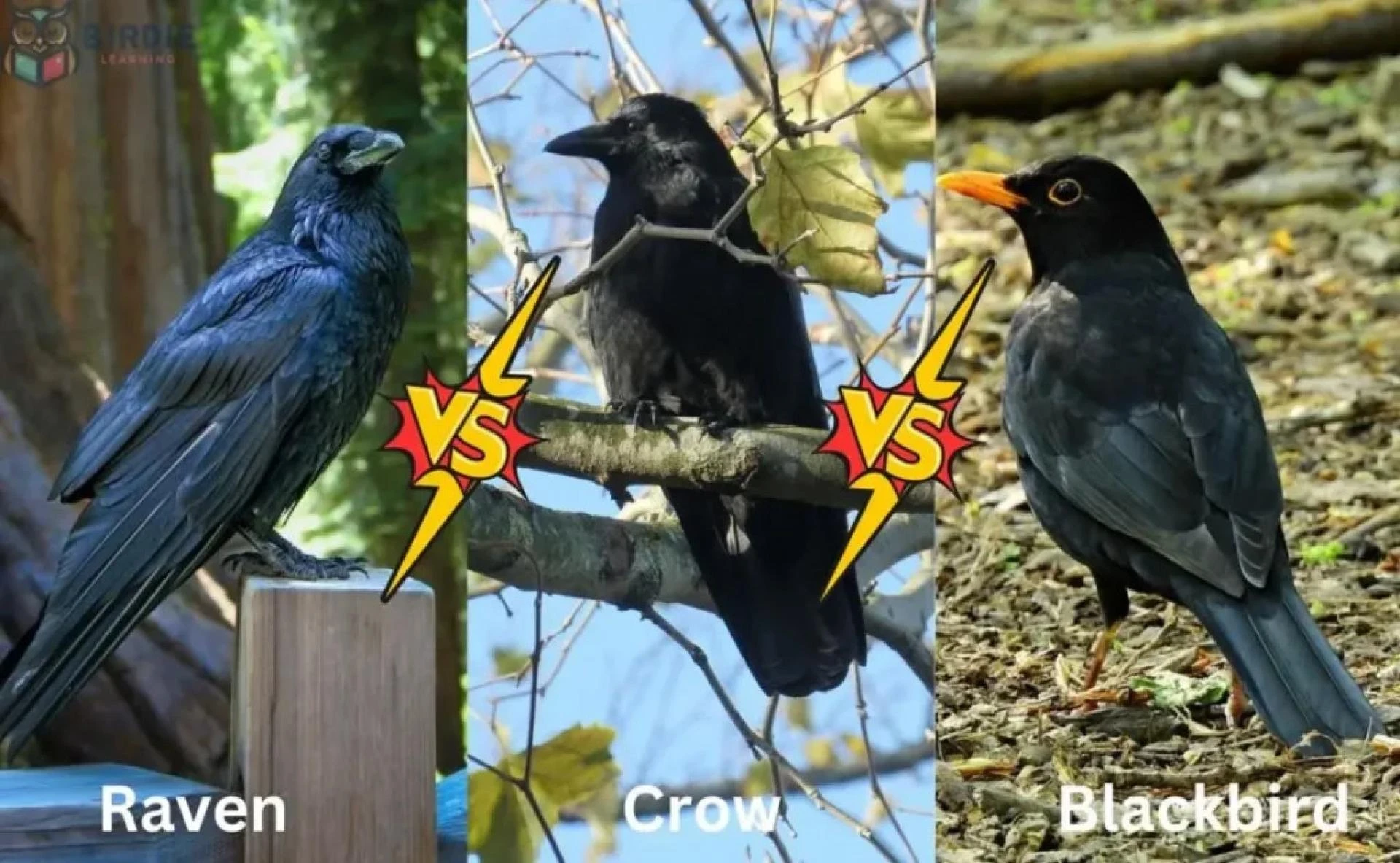
Have you ever looked up at a flock of black birds and wondered, “Is that a crow, a raven, or just a common blackbird?” Birdwatching can be surprisingly tricky, especially with these clever, all-black birds that often appear similar at first glance. But with a few key observations, you can quickly learn to spot the subtle differences and impress friends on your next nature walk or even gain insights useful for IT professionals interested in pattern recognition and observation.
Size and Silhouette: Spotting the Big Picture
One of the first clues when distinguishing raven vs crow vs blackbird is size. Ravens are noticeably larger than most crows and blackbirds, often with a wingspan that can span over four feet. Crows are medium-sized, and typical blackbirds, like the common black bird, are smaller and more compact.
When they soar in the sky, pay attention to their crow tail: crows have fan-shaped tails, while ravens sport wedge-shaped tails. Observing their silhouette while flying can often give you a quick ID before they even land.
Listening Closely: Crow Calls and Raven Sounds
Sound is another reliable differentiator. Crow calls are familiar “caw-caw” sounds, sharp and repetitive, while ravens have a deeper, more resonant croak that can sound almost like a low growl. Some species, like the Chihuahuan raven, have unique vocalizations worth noting for enthusiasts exploring regional bird differences.
Black birds, on the other hand, often have melodic songs rather than harsh calls. If you spend a morning listening carefully, your ears will quickly start picking up these distinct audio signatures, making identification easier.
Behavioral Cues: How They Move and Interact
Watching behavior can also help distinguish these species. Ravens are generally seen alone or in pairs, often performing acrobatic flights and showing remarkable intelligence. Crows are more social, typically seen in groups called a crow family, foraging together and using coordinated calls. Meanwhile, blackbirds are often spotted hopping around low vegetation or perched quietly on branches, blending subtly into their surroundings.
Even in urban areas, noticing how crow and raven interact with each other or with humans can offer clues. Fish crows, for example, are adapted to coastal areas and may show behaviors different from inland species.
Color, Gloss, and Feather Details
Although all these birds are mostly black, subtle differences exist. Ravens have a slightly glossier sheen, sometimes showing blue or purple highlights in sunlight. Crows are more matte black, while blackbirds can have hints of brown or gold depending on species and age. Paying attention to feather texture and gloss can make a surprising difference in proper identification.
Putting It All Together: Observation Tips
Here’s a practical way to remember the distinctions:
- Size and Tail Shape: Big with wedge tail = raven; medium with fan tail = crow; small = blackbird.
- Calls: Deep croak = raven; caw-caw = crow; melodic song = blackbird.
- Behavior: Solo or acrobatic = raven; social foragers = crow; subtle hopping = blackbird.
- Feather Gloss: Iridescent shine = raven; matte black = crow; slight brownish hints = blackbird.
By combining these visual and auditory cues, you’ll become much more confident in spotting the subtle differences between crow raven, black bird crow, and other species in the wild.
Conclusion: Become a Keen Observer
Learning to distinguish raven vs crow vs blackbird isn’t just about knowing names it’s about sharpening observation skills, understanding behavior, and appreciating nature’s nuances. Next time you hear a fish crow calling near the water or spot a Chihuahuan raven in the desert, take a moment to notice its tail shape, call, and flight pattern. With practice, you’ll find that identifying these birds becomes second nature and you might even start seeing patterns that translate beyond birdwatching into other areas of life, like analysis and problem-solving in IT.




























Sign in to leave a comment.