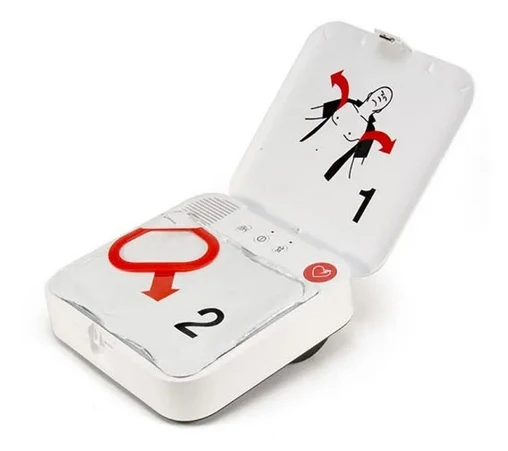

Automated external defibrillators (AEDs) have become essential lifesaving devices in a wide range of settings, from public spaces to private businesses. Among the leading AED brands, Physio Control has long been recognized for its innovative and reliable products. In this comprehensive guide, we will explore the step-by-step process of using and maintaining your Physio Control AED to ensure it is always ready to respond in an emergency.
Preparing the AED for Use
Before an emergency situation arises, it is essential to familiarize yourself with the basic setup and functionality of your Physio Control AED. Begin by placing the device in a readily accessible location, such as a centralized area or near other emergency equipment. Ensure that the AED is properly powered on and that the battery is fully charged, as this will enable the device to function effectively when needed.
Next, take the time to review the user manual and any training materials provided by the manufacturer. This will help you understand the specific features and operation of your Physio Control AED, ensuring that you are confident in its use during a crisis. Additionally, consider participating in hands-on training or refresher courses to stay up-to-date on the latest protocols and techniques for operating the device.
Responding to a Cardiac Emergency
When a sudden cardiac emergency occurs, every second counts. Remain calm and follow the clear, step-by-step instructions provided by your Physio Control AED. The device is designed to guide you through the entire process, from assessing the patient\'s condition to delivering the necessary shock.
Assess the Situation: Quickly evaluate the patient\'s responsiveness and breathing. If the person is unresponsive and not breathing normally, call for emergency medical assistance and retrieve the Physio Control AED.
Turn on the AED: Press the power button to turn on the device. The Physio Control AED will immediately begin providing voice and visual prompts to guide you through the next steps.
Expose the Chest: Quickly remove any clothing or jewelry from the patient\'s chest to ensure unobstructed access for the electrode pads.
Apply the Electrode Pads: Follow the instructions provided by the AED to correctly place the adhesive electrode pads on the patient\'s bare chest. Ensure that the pads are firmly adhered to the skin for optimal electrical contact.
Allow the AED to Analyze: The Physio Control AED will automatically analyze the patient\'s heart rhythm and determine whether a shock is necessary. During this time, it is crucial to remain calm and avoid touching the patient, as this could interfere with the analysis.
Deliver the Shock: If the AED determines that a shock is required, it will instruct you to press the shock button. Deliver the shock as directed, ensuring that no one is touching the patient.
Provide CPR: After the shock has been delivered, the AED will prompt you to begin performing chest compressions and rescue breaths (CPR) on the patient. Follow the on-screen or voice instructions carefully to provide effective resuscitation.
Continue Care: Remain with the patient and continue to follow the AED\'s prompts until emergency medical services arrive or the patient begins to show signs of life.
Throughout the entire process, the Physio Control AED will provide clear, real-time feedback and guidance to help you respond effectively and confidently, even in the most stressful situations.
Maintaining Your Physio Control AED
Proper maintenance is essential to ensure that your Physio Control AED is always ready to respond in an emergency. Follow these steps to keep your device in optimal condition:
Check the Battery and Electrode Pads: Regularly inspect the battery life and expiration date of the electrode pads. Replace the battery and pads as recommended by the manufacturer to ensure that the device is always prepared for use.
Perform Regular Inspections: Visually check your Physio Control AED for any physical damage or signs of wear and tear. Ensure that all components, including the case, cables, and ports, are in good condition.
Clean and Store Properly: Keep the AED clean by wiping down the exterior with a damp cloth. Store the device in a secure, temperature-controlled environment, away from direct sunlight or extreme temperatures.
Participate in Training: Attend regular training sessions or refresher courses to stay up-to-date on the latest protocols and techniques for using the Physio Control AED. This will help you maintain your confidence and proficiency in operating the device.
Register the AED: Notify local emergency services of the location of your Physio Control AED. This will ensure that the device is included in emergency response plans and that responders are aware of its availability.
By following these maintenance best practices, you can be confident that your Physio Control AED will be ready to save lives when it\'s needed most.
Conclusion
The Physio Control AED is a reliable and user-friendly device that can make a significant difference in the outcome of a sudden cardiac emergency. By understanding how to properly use and maintain your Physio Control AED, you can play a crucial role in improving survival rates and providing life-saving care to those in need.
Remember, the key to effective AED use is preparation and practice. Take the time to familiarize yourself with the device, participate in training, and ensure that your Physio Control AED is always ready to respond. With this knowledge and dedication, you can be a valuable asset in your community\'s emergency preparedness and response efforts.





























Sign in to leave a comment.