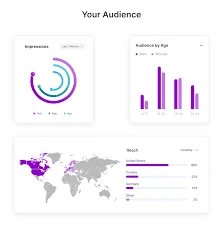

Influencer marketing has become one of the most powerful ways for brands to reach their target audience. However, simply collaborating with influencers isn’t enough—you need to measure performance and track results. That’s where an influencer analytics platform comes in. By using the right influencer analytics tools, businesses can assess campaign success, optimize strategies, and maximize return on investment (ROI).
Why Influencer Analytics Matter
Influencer marketing involves more than likes and followers. Without proper analysis, you might spend resources on campaigns that don’t deliver results. With influencer analytics tools, you can:
- Identify which influencers align with your brand values
- Measure engagement rates and reach
- Track conversions and ROI
- Understand audience demographics
- Spot fake followers or inflated metrics
An influencer analytics platform provides actionable insights, helping you choose the right influencers and refine your campaigns.
Key Metrics to Track with Influencer Analytics Tools
1. Engagement Rate
Engagement shows how actively an influencer’s audience interacts with their content. Metrics like likes, comments, shares, and saves indicate whether followers are genuinely interested.
2. Audience Demographics
Influencer analytics platforms reveal insights about audience age, gender, location, and interests. This ensures the influencer’s audience matches your target market.
3. Reach and Impressions
These metrics show how many people see influencer content. They’re essential for measuring brand visibility during campaigns.
4. Conversions and Sales
Advanced influencer analytics tools can track how many leads or sales came directly from influencer campaigns. This is key to evaluating ROI.
5. Authenticity Check
Some influencers buy followers or engagement. Analytics platforms can help detect unusual spikes or fake accounts, ensuring you collaborate with genuine creators.
How to Use Influencer Analytics Tools Effectively
Choose the Right Influencer Analytics Platform
Not all tools offer the same features. Select a platform that provides real-time data, advanced filters, and easy-to-read dashboards.
Set Clear Campaign Goals
Before using analytics, define your objectives. Are you aiming for brand awareness, engagement, or direct sales? This will guide which metrics matter most.
Track Performance in Real-Time
Use influencer analytics tools to monitor campaigns as they run. This allows you to make adjustments quickly if something isn’t working.
Compare Influencers
Analytics platforms allow you to compare multiple influencers based on engagement, reach, and ROI. This helps in choosing the most effective partners for future campaigns.
Use Insights to Improve Future Campaigns
Data from past campaigns helps refine your influencer strategy. For example, if micro-influencers drove better engagement, you might focus more on them next time.
Final Thoughts
An influencer analytics platform is more than just a reporting tool—it’s a roadmap to influencer marketing success. By leveraging influencer analytics tools, brands can make data-driven decisions, select the right influencers, track campaign effectiveness, and maximize ROI. Instead of guessing, you’ll have clear evidence of what works and what doesn’t, ensuring your influencer marketing campaigns are impactful and profitable.


























Sign in to leave a comment.