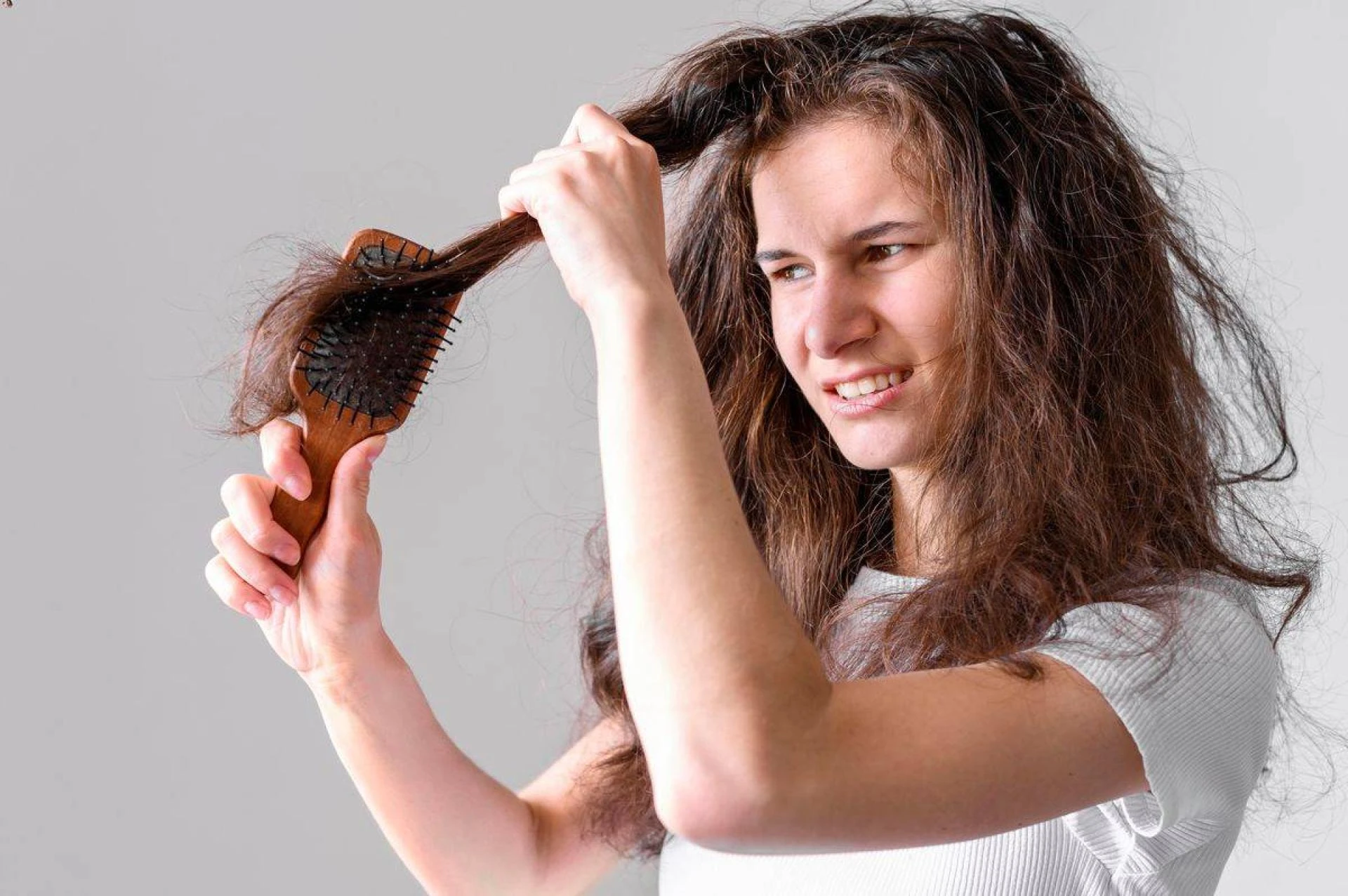

Dry, damaged hair afflicts many of us. Over time, environmental and lifestyle factors take their toll resulting in parched, lackluster locks full of split ends. You've tried deep conditioning masks and salon treatments for temporary fixes, but the damage keeps returning.
For long-term hair repair, it's time to consider adding nurturing, restorative oils, and butter to your routine. Natural ingredients like shea butter, coconut oil, argan oil, and avocado oil can work wonders to reverse the damage.
Of all these options, shea butter stands out for its exceptional ability to bring dry, damaged hair back to life. Its rich concentration of fatty acids and vitamins deeply moisturizes, strengthens, and protects hair.
In this comprehensive guide, we'll dive into the impressive benefits of shea butter for hair. You'll learn how to use shea butter treatments and products for preventing and treating different types of damage.
We'll also answer common questions about shea butter for hair care. Read on to give your damaged tresses some serious TLC with the help of Shea!
What Causes Dry, Damaged Hair?
Before we get into shea butter solutions, let's quickly run through what exactly causes dry, damaged hair in the first place. There are quite a few culprits:
Heat Styling - Frequent use of hot tools like blow dryers, straighteners, and curling irons dehydrates and weakens hair over time. The high temperatures break down the hair proteins.
Sun Exposure - The sun's UV rays cause oxidation and strip moisture from hair, making it brittle.
Chlorine - Swimming in chlorinated pools can dry out and irritate hair. Chlorine also depletes protective oils.
Hard Water - Mineral deposits in hard water coat the hair shaft, leading to tangling and breakage.
Pollution - Environmental pollutants damage hair protein structure and strip natural oils.
Chemical Processing - Bleaching, dyeing, perms and relaxers damage the inner hair cuticle over multiple treatments.
Poor Diet - Nutrient deficiencies, especially low protein intake, contribute to weaker hair prone to breakage.
Improper Detangling - Aggressive brushing and combing strains and pulls hair, causing splits and cracks.
Why Shea Butter Repairs Dry, Damaged Hair
Now that you know the many ways hair gets damaged, let's discuss how shea butter comes to the rescue and reverses the damage.
Shea butter originates from the shea tree, which grows in the savannah region of West Africa. It is derived by crushing and boiling the tree's nuts, then separating out the butter.
Shea butter contains an abundance of fatty acids and plant nutrients that deliver major hair benefits:
Moisturizing - The high fatty acid content (oleic, stearic, palmitic, and linoleic acids) moisturizes by sealing in hydration.
Softening - Shea butter coats the hair strands to make hair supple and smooth.
Reduced Breakage - Shea butter penetrates the hair shaft to make it more flexible and less prone to breakage.
Heat Protection - Shea's fatty acids protect hair from heat styling damage.
Improved Strength - Shea is rich in proteins and vitamins A and E to reinforce weak hair.
Anti-Frizz - Shea butter's emollient properties tame frizz and flyaways.
Added Shine - The abundance of fatty acids gives hair a glossy, luminous look.
Stimulated Growth - Shea contains vasodilators to improve circulation to the scalp and follicles.
As you can see, shea butter checks all the boxes for repairing and protecting damaged hair. It provides deep, long-lasting nourishment from root to tip.
What Type of Shea Butter is Best?
With shea butter's many benefits established, let's go over choosing the right kind of shea butter for your hair. Not all shea butter are created equal! Here's what to look for:
Raw, Unrefined - This is 100% pure natural shea, retaining all its nutrients. It has an ivory color and nutty aroma.
High Concentration - Get shea butter products with shea listed as the first or second ingredient.
Organic - Organic raw shea butter ensures the nuts are not treated with chemicals. It's the cleanest option.
Ethically Sourced - Look for shea butter sourced via fair trade practices for social responsibility.
West African - Shea nuts from West Africa, especially Ghana and Burkina Faso, offer exceptional quality.
How To Use Shea Butter for Dry or Damaged Hair
There are a few techniques for using shea butter to nourish your damaged locks:
As a Pre-Shampoo Treatment
On dry or damp hair, apply 1-2 tablespoons of raw shea butter.Focus on damaged areas like ends and work up to roots.Massage butter thoroughly into strands to distribute evenly.Cover hair and allow butter to penetrate for 30 minutes up to a few hours.For deeper conditioning, wrap hair in a warm towel to open the cuticles.Rinse and shampoo hair as normal.As a Leave-In Conditioner
After washing hair, pat dry with a towel.Rub a dime-sized amount of shea butter between your palms to melt.Apply melted butter evenly from mid-lengths to ends.Style hair as usual. The shea butter will continue moisturizing.Use a lightweight leave-in spray before shea butter to avoid greasiness.As an Intensive Hair Mask Treatment
Combine shea butter with other nourishing ingredients:
1 tablespoon raw shea butter1 tablespoon honey1 tablespoon coconut or olive oilOptional - a few drops of lavender, rosemary, peppermint, or tea tree oilIn a small bowl, melt ingredients together either in a double boiler or microwave at 15-second intervals. Mix well into a smooth, creamy paste. Apply generously to damp hair, cover with a shower cap, then wrap your head in a warm towel. Leave treatment on for at least 30 minutes before rinsing out thoroughly.
These treatments can be done as often as 1-2 times per week for very damaged hair. Over time, you’ll notice a major improvement in texture, hydration, and strength.
Shea Butter Hair Products
Besides pure shea butter, many hair products harness shea's nourishing properties:
Conditioners - Look for shea-infused deep conditioners to use weekly.Hair Masks - Use shea-based masks weekly or bi-weekly for intensive repair.Shampoos - Shea adds moisture to shampoos without harsh detergents.Leave-In Conditioners - Spritz on shea leave-ins to hydrate between washes.Styling Creams - Shea-enriched styling creams combat frizz and flyaways.Heat Protectant Sprays - Shea oils in sprays shield hair from hot tools.Be sure to check that pure shea butter or extracts are listed near the top of the ingredients list. Shea-based products make it easy to reap shea butter's benefits for hair on the regular.
Shea Butter Hair Tips for Different Hair Types
The techniques for using shea may vary slightly depending on your hair type:
Dry Hair
Focus shea butter from mid-shaft down to ends where the most dryness occurs.Color-Treated Hair
Shea butter is gentle enough to use on color-treated hair.Opt for weekly conditioning treatments to prolong vibrancy.Curly Hair
Apply shea butter post-shower by scrunching into wet curls before styling.Coiled Textured Hair
Mix shea butter with lighter oils like jojoba or grapeseed to prevent buildup.Twist or braid hair after applying shea to evenly coat strands.Thin/Fine Hair
Use a small amount of shea just on the ends to avoid roots getting greasy.Apply melted shea butter mixed with a lightweight oil.No matter your hair type, she can strengthen and improve moisture levels. You may need to adjust how much you use and the application method.
Shea Butter Hair Benefits FAQs
Let's wrap up this shea butter hair guide by answering some frequently asked questions:
Does shea butter help hair grow?
Yes! Shea butter improves blood flow to the scalp and provides essential fatty acids and nutrients for optimal growth. But results take time.
Can you leave shea butter in your hair overnight?
Absolutely. Leaving shea butter treatments in overnight allows more time for deep penetration. Wrap hair in a silk scarf or bonnet.
Does shea butter expire or go bad?
Raw shea butter has a shelf life of 2-3 years when properly stored away from heat, air, and moisture. It will develop a grainy texture and change scent when it expires.
Can shea butter reverse heat damage?
With regular use, shea butter can dramatically improve the condition of heat-damaged hair by restoring moisture, body, and shine.
Is shea butter good for low-porosity hair?
Yes! Shea butter coats the hair cuticles on low-porosity hair to allow better moisture absorption and retention.
Conclusion
If your hair is feeling beyond parched and looking lackluster, don't lose hope. With shea butter's ultra-nourishing, restorative properties, you can nurse your damaged tresses back to their former glory. Use pure shea butter treatments and shea-infused products to infuse hair with deep, long-lasting hydration. You'll be amazed at how soft, silky, strong, and healthy your hair becomes. Say hello to hair rehab and shine on with Shea!


























Sign in to leave a comment.