
Buying or selling a pre-owned height-adjustable workstation can be a smart, sustainable choice — if you know what to look for. Used desks range from bargainable, near-new units to fragile or unsafe pieces that will cause headaches after a move. This guide walks sellers on how to price and present their desk, and helps buyers inspect and secure a safe transaction. It covers core checks, pricing rules of thumb, negotiation tips, transport and safety best practices so both sides get a fair deal.
The Best Standing Desks in the resale market — what keeps value
Resale value centers on function, durability and brand reputation. Desks with robust frames, reliable motors, clean surfaces and few cosmetic flaws hold their value. Newer control electronics, memory presets, and high load ratings are desirable. When setting a price, start with the original retail cost and deduct for age, wear and missing features — expect typical resale to fall between 30% and 60% of new price depending on condition.
Sit to Stand Desk buyers and sellers: sizing & specs matter
Provide clear measurements — width, depth and the full height range — so buyers know the footprint and whether the desk fits ergonomically. Note whether the desk is single- or dual-motor, and the maximum recommended load. For sellers, listing the model number and including photos of the control panel (to show presets) improves buyer confidence. For buyers, match the height range to your body measurements before committing.
Vernal Standing Desk and brand-effect on pricing
Some manufacturers have stronger aftermarket demand because of perceived reliability or replacement-part availability. If your model has wide support and easily sourced components, mention that in the listing. Conversely, rare or older models may require extra discounts to sell quickly because buyers fear scarcity of spare parts.
Adjustable Desks: inspection checklist
Before you buy or accept an offer, do a hands-on inspection: test the full height travel, observe any wobble at max extension, listen for unusual motor noises, and check for jerky movements. Look under the frame for rust, bent profiles or loose welds. Check the underside for missing fasteners. Verify the control switch and, if electric, ensure the power cable and plug are intact. Sellers should run and film the desk movement to include with the listing — it reduces time-wasting inquiries.
Electric Adjustable Standing Desk valuation nuances
Electric models are generally valued higher than manual ones — but motor health is the key variable. A smooth, quiet motor keeps price high; a noisy or slow motor cuts value significantly. Ask the seller about average usage (hours per day), any repairs, and whether the desk still has warranty coverage that transfers. For sellers, disclose any motor history and factor in repair costs when setting your asking price.
Corner Standing Desk and L-shaped considerations
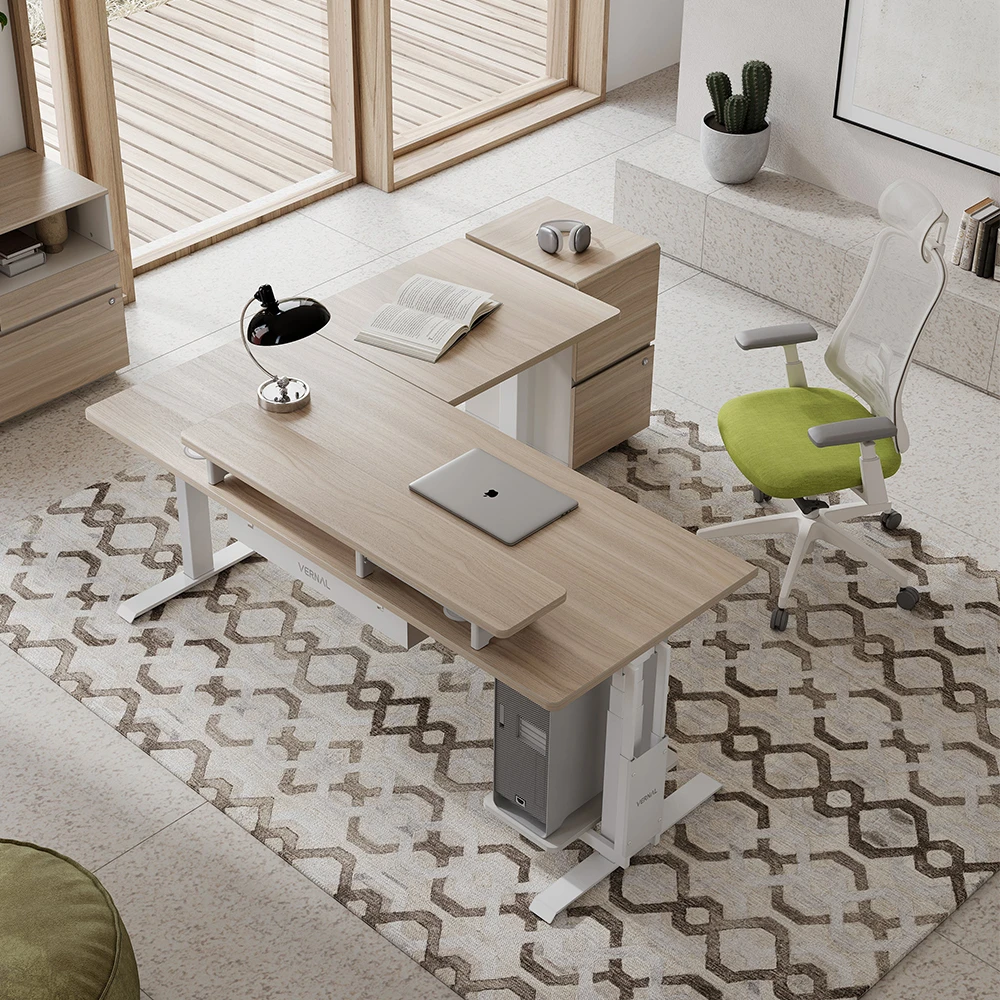
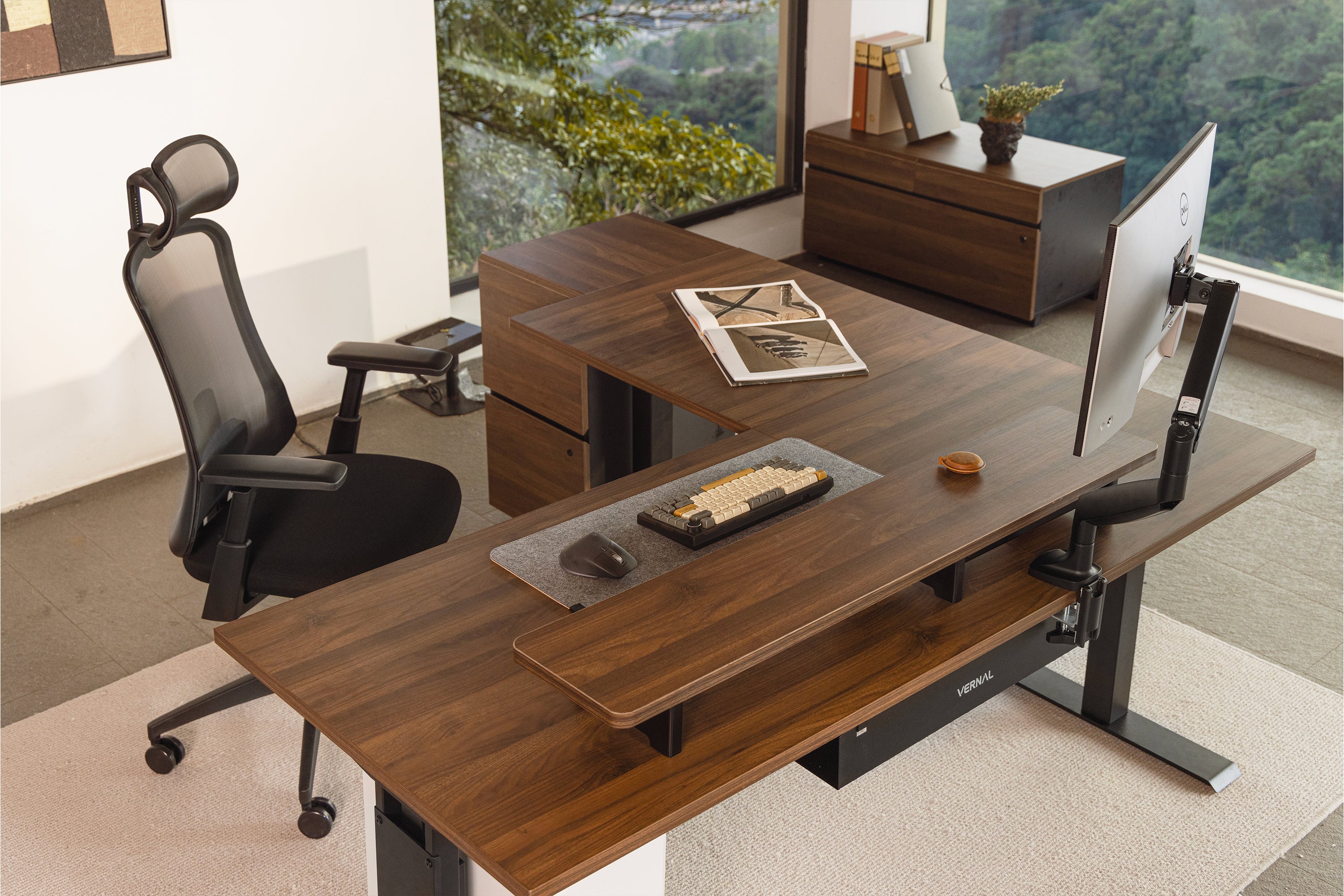
Corner and L-shaped desks are highly functional but harder to transport. They often command a premium for practicality in multi-task setups. When pricing, account for the extra labor and potential disassembly required. Buyers should measure their corners and doorways carefully — many L-shaped tops must be removed from frames to get through tight spaces.
Standing Executive Desk: premium finishes and resale
Executive models with large, heavy tops and premium finishes (veneer, thick solid cores) can retain value if the base is strong. However, the weight and size increase shipping and handling costs. Sellers should be explicit about the top material and whether it’s removable. Buyers should confirm the frame is rated for the heavier load and test stability at full extension.
Solid Wood Standing Desk: durability vs. cost to move
Solid wood tops look great and age well, but they add weight. They often fetch a higher price when in excellent cosmetic condition, yet buyers must weigh that against moving costs. Sellers can increase appeal by offering optional local delivery for a fee and showing close-up images of top condition (edges, finish, scratches).
Vernal Desk Reviews and reputation checks
Read reviews and forum threads for real-world reports on motor longevity, warranty service, and part availability. While user reviews shouldn't be the only factor, they give insight into which models commonly require repairs and which hold up over years of use. Mentioning reputable review sources in your listing builds buyer trust.
Pricing rules of thumb and negotiation tips
As a quick rule: subtract 10–20% per year from new price for well-maintained, popular models, then adjust for wear, missing parts, or included extras (monitor arms, mats). For older or problematic units, start at 25–40% of retail. Leave room to negotiate: a slightly higher initial asking price gives you bargaining space, but don’t overprice to the point of deterring inquiries.
Safe transaction and transport practices
For safety and convenience, prefer local pickup. If shipping is necessary, disassemble the top from the base, secure moving pads and straps, and use a freight company that handles furniture. Buyers should request photos of serial numbers and the desk in operation before paying. Use secure payment methods — cash on pickup or a traceable electronic payment for remote deals. Avoid wiring money without verification.
Sanitation, wiring and electrical safety
Clean the desk thoroughly and inspect cords for frays. Buyers should plug the desk into a GFCI-protected outlet during inspection and watch for tripped breakers or overheating. For older electrical controls, consider budgeting for a service check. Sellers should remove personal items, sanitize surfaces and disclose any prior repairs or incidents.
Listing tips for sellers — photos, specs and storytelling
High-quality photos from multiple angles, a clear list of included accessories, and honest notes about cosmetic wear accelerate sales. Provide exact measurements, model numbers, and a short note on why you’re selling. Offering to help with disassembly or local delivery for a modest fee often closes deals faster.
Final checklist for buyers and sellers
- Test full movement and presets in person or via video.
- Confirm frame and motor condition; ask about load history.
- Verify dimensions and transport feasibility before payment.
- Use secure payments and document the transaction.
- Factor in refurbishment or moving costs when valuing the desk.
Trading used height-adjustable desks can be a win-win: sellers recoup value and buyers get feature-rich workstations for less. With careful inspection, honest listings and safe handling, you can reduce risk and create a smooth transfer. If you want, tell me what model you’re planning to sell or buy and I’ll help estimate a fair asking price and list of inspection steps tailored to that unit.




























Sign in to leave a comment.