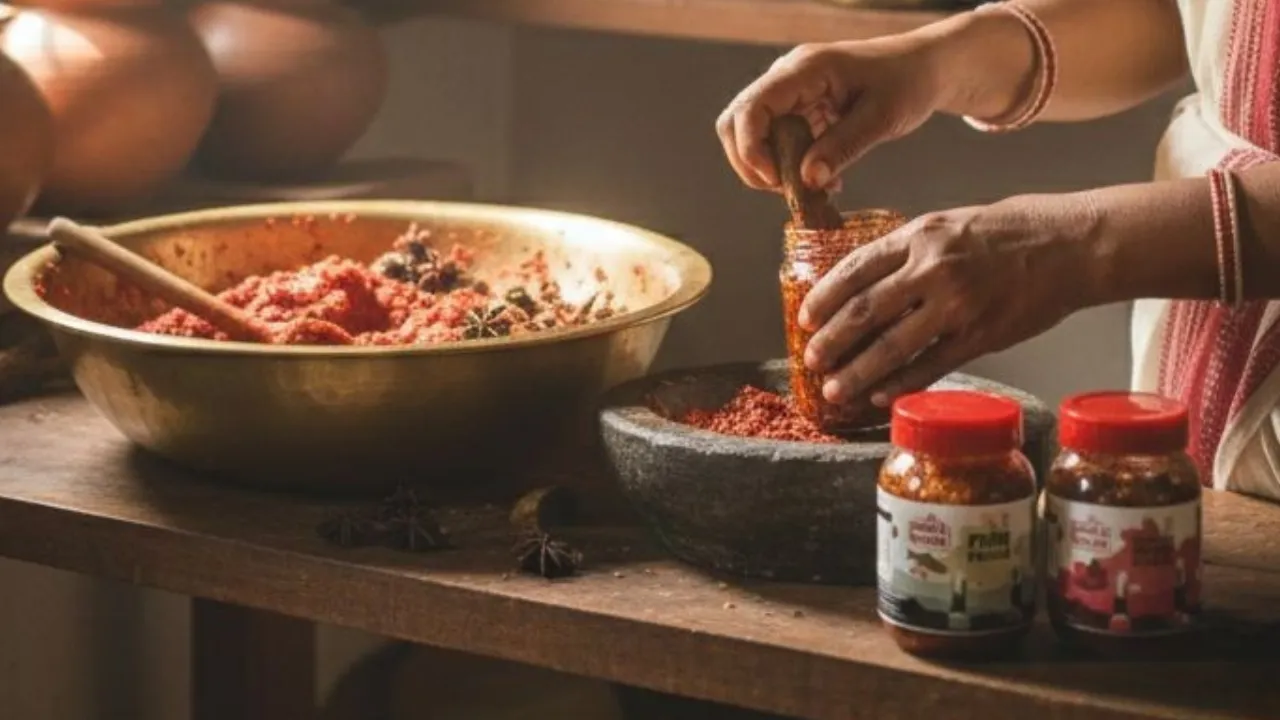

One good thing about the clay pot sitting under the sun is that grandmothers of India relied on it instead of factory produce- that's how important it works. Such stews have been used in homes long before scientists even named the term probiotics; in fact, people already knew some benefits of fermentation before modern nutrition science arrived at the same conclusions.
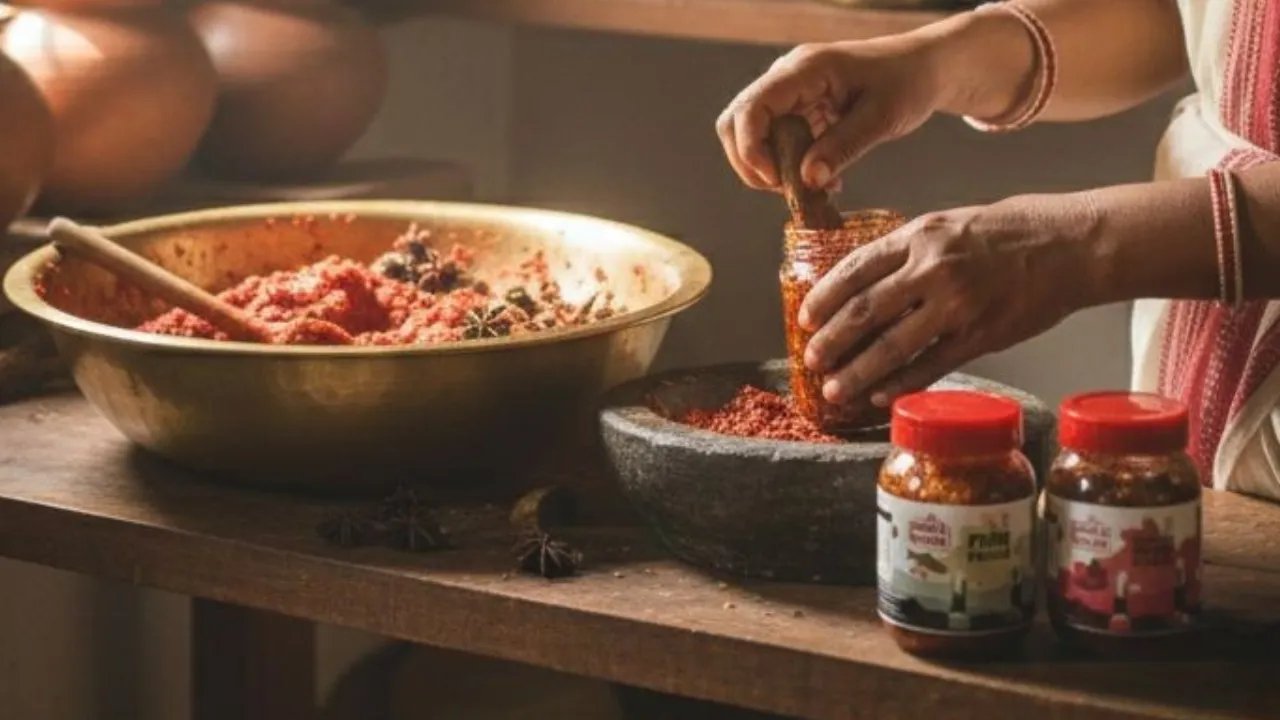
The Actual Work of Fermentation on Food
Fermentation is a regulated process through which bacteria, mostly lactic acid bacteria, turn natural carbohydrates into acids and gases. This forms part of the decomposition process which should not be confused with spoiling or rotting of food. Fermentation actually makes food better and changes its chemical composition in a very positive way. The acid created during fermentation comes from the bacteria itself and it lowers the pH of the food thus preventing the growth of pathogenic organisms and allowing beneficial bacteria to proliferate.
The process of fermentation should not be confused with regular pickling of food using vinegar and heat that is the standard process used in creating many food products today. Picking using vinegar only serves to preserve food products by adding acidity from outside. On the other hand, fermentation produces its own acids. This is how fermented methylate is much better in taste and nutritional values than fast-pickled products that normally end up in supermarkets.
The good news is that fermentation has a unique ability to decrease the concentration of some antinutrients naturally found in raw vegetables. Phytic acid and others act as opponents for mineral absorption. Fermenting the foods will break these antinutrients down in the raw sources and deliver calcium, iron, and zinc from the vegetables straight away to your body instead of being gone through without being absorbed.
But then, we have live bacteria. A correctly fermented dill pickle includes live cultures of probiotics that support your gut system, something which no vinegar-based or heat-processed pickles could offer due to its sterilized condition. This explains the reason fermented foods have been known since ancient times in traditional medical systems before a concept of probiotics was created.
The Fermented Customs of Different Regions
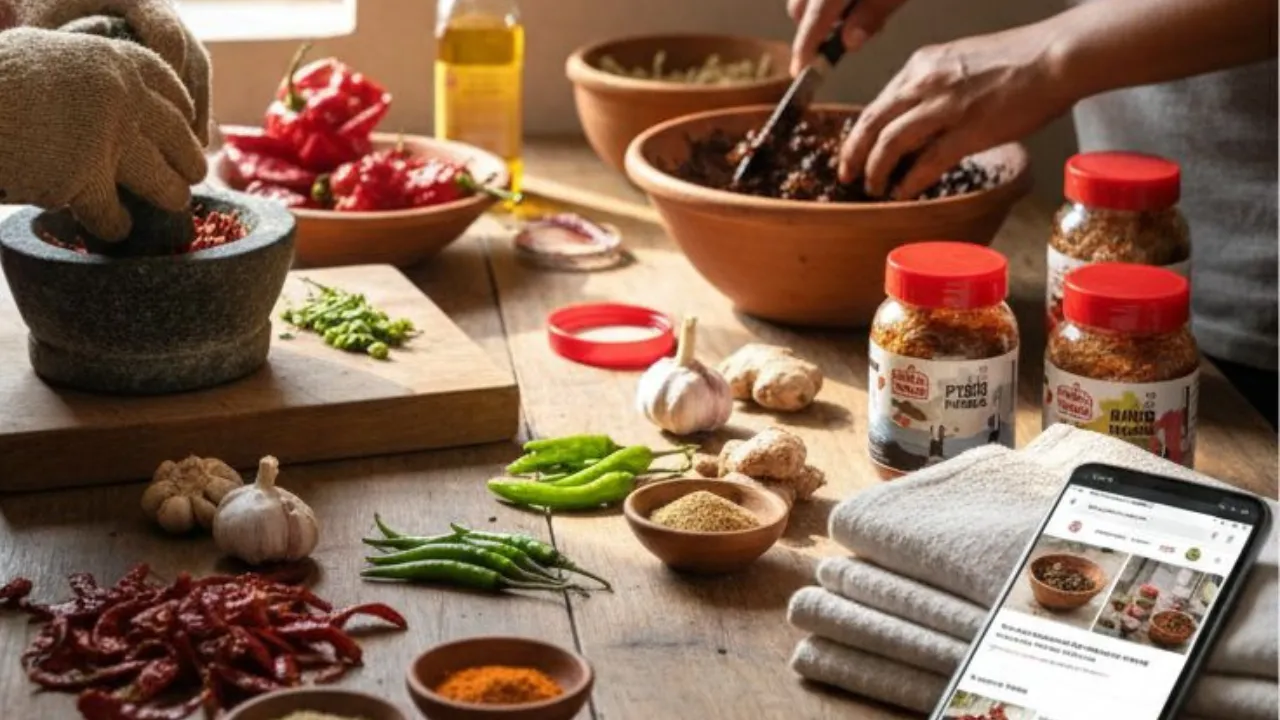
India has very different fermentation customs depending on the area because of factors like the climate, availability of ingredients, and also the creativity of many households in making fermented foods. The North East of India has one of the richest cultures of fermentation known in the country where the methods used are quite different from cooking oily pickles that are common in the rest of India.
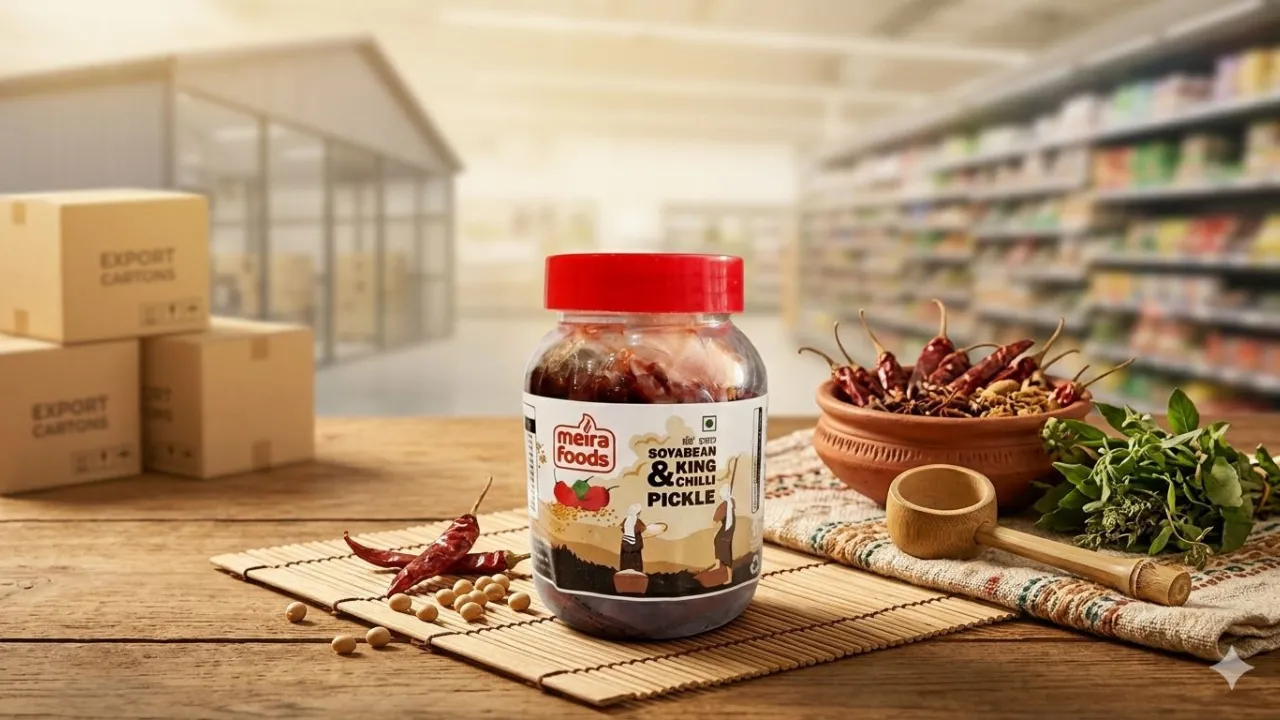
A true North East achaar makes use of far lesser oil than other forms of pickling, it employs fermentation and salt that is natural at the same time, sometimes adding bamboo shoots and other herbs inject more sourness to the pickles. These pickles are known to have complicated processes, ranging from being fermented in clay pots and bamboo containers for several days until they obtain their taste and aroma to using different vegetables along with spices and herbs of the North East.
The Relationship between Temperature and Well-being
Undoubtedly, one thing that is seldom recognized when it comes to the old-type fermentation process is the significance of the relationship between temperature, heat and nutrient preservation. Most people are under the impression that some spicy pickles are mostly about taste, however, chili peppers are naturally rich in nutrients such as vitamin C and capsaicin which have metabolism improvement properties.
It has been established that by effective use of the fermentation process the nutritional contents can be increased rather than destroyed as fermentation process takes place at room temperature unlike cooking where the temperature is quite high which charters the sensitive vitamin contents.
Why Making Pickles at Home is Better than Buying Them From Stores
Most pickle companies use shortcuts that lead to the use of vinegar and preservatives, as the normal production method for mass distributions takes longer and makes the whole process much more costly. Pasteurization helps to prolong the shelf life, thus allowing the companies to make profit. However, pasteurization kills good bacteria in the pickles. Thus, the result will look similar, but the taste will be different.
Getting the Process Done at Home
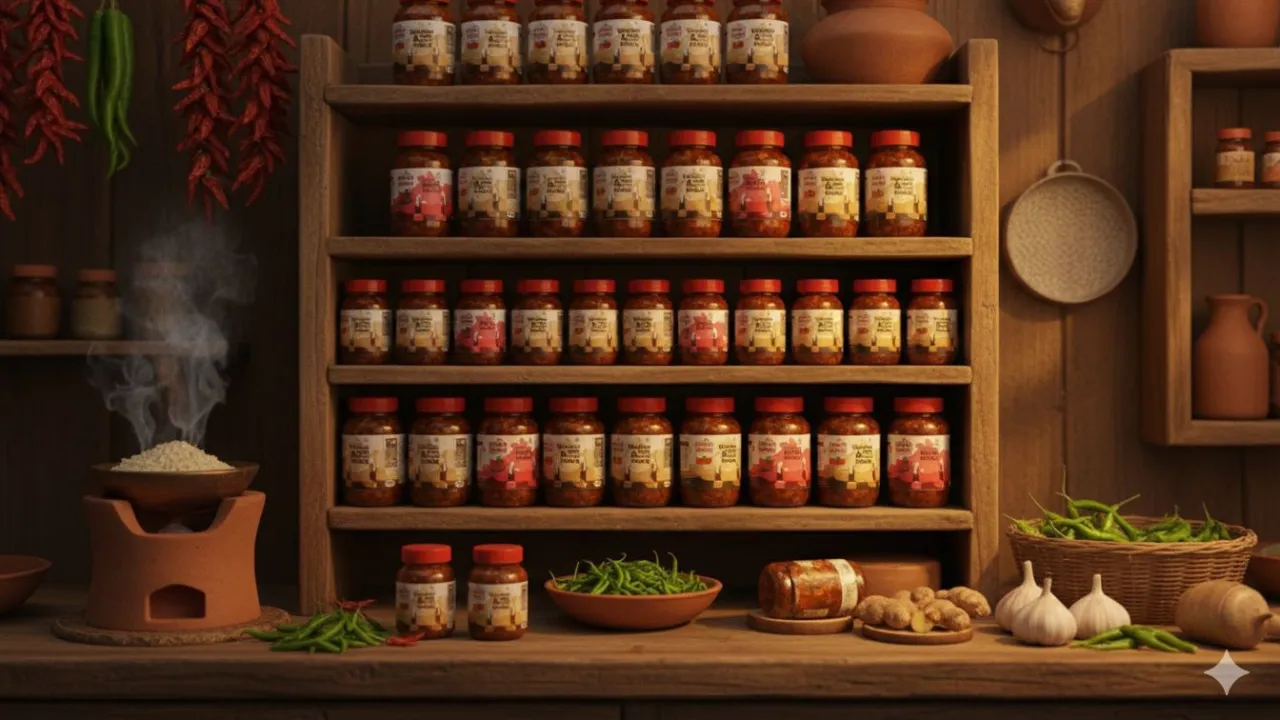
In the world of DIY fermentation, several basics are more important than sophisticated tools. Accuracy when it comes to salt content is critical; if too little salt is being used, harmful bacteria may not be eliminated. But when too much salt is added, useful fermentation is hindered. Moreover, maintaining flawlessness of containers is essential, as the introduction of bad bacteria at the start can ruin the entire process.
In addition, the significance of temperature for fermentation often turns out to be underestimated. Fermentation is much faster in warmer temperature zones, which is one of the reasons why pickling practices in northern and southern Indian pickle-making have relatively short periods of fermentation compared to colder areas, where the process tends to take longer.
Conclusion
Old-fashioned food preservation is far more than just a conventional way of dealing with food whereby some foods are made to last longer. It is a fermentation process which does not only enhance the nutrient value of the food being fermented but also ensures that a unique taste emerges from it which cannot be felt with food that has been heat preserved or even those subjected to acetic acid fermentation. In other words, it will not matter what kind of food is being fermented, be it northeast feasts or hot chili pickles since the principles behind the flavor due to fermentation is the same irrespective of the type of food being fermented.

























Sign in to leave a comment.