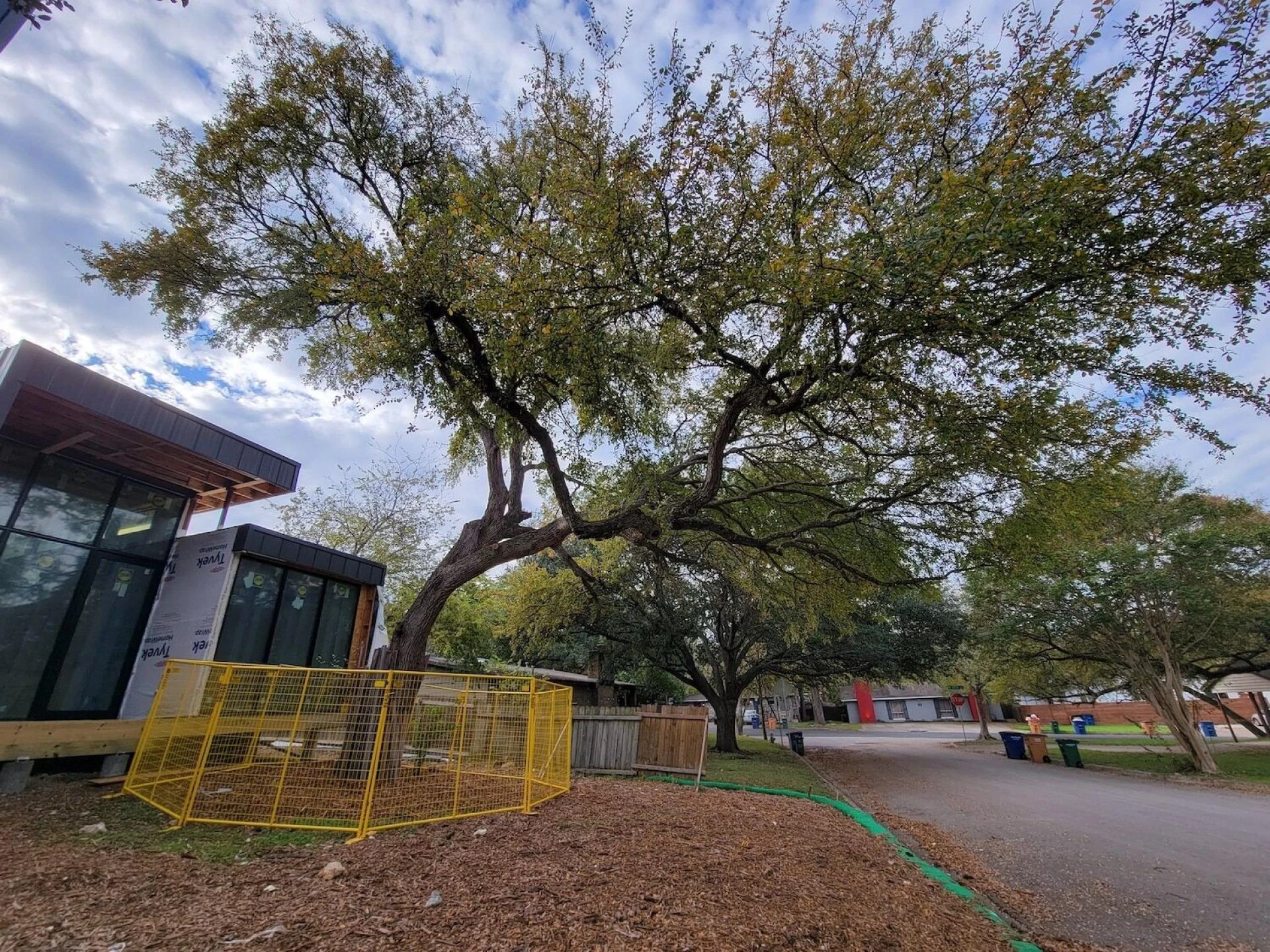

Planting a tree marks the beginning of its journey, but what happens after makes all the difference. Without proper post-planting care, young trees often struggle to handle seasonal changes. Tree trimming in Cedar Park plays a key role in helping these trees adjust before winter arrives. Many property owners overlook this step, unaware that early trimming can mean the difference between healthy growth and long-term setbacks. Are your new trees prepared to handle the demands of the colder months ahead?
How does early tree trimming in Cedar Park keep new trees balanced and supported?
Newly planted trees may look stable, but they often grow in uneven directions. This imbalance puts stress on their structure, especially in windy or cold weather. Trimming supports healthier development by removing weak or poorly placed branches. It also helps direct energy toward strong central growth rather than scattered limbs that could snap under pressure. In Cedar Park, trimming helps trees adapt to local soil conditions and seasonal weather changes that can otherwise stall growth or lead to damage.
Proper timing helps trees heal before colder conditions set in
Choosing when to trim matters just as much as how to do it. If you trim too early, the tree might react by producing new growth that will not survive winter. If you trim too late, the tree will not have enough time to recover before colder temperatures slow its natural processes. In Cedar Park, early fall offers the best window for trimming because it provides time for recovery while avoiding the extremes of summer heat or winter cold. This timing helps create strong, flexible growth going into the dormant season.
Trimmed trees face fewer winter problems
When trees are trimmed before winter, they hold up better against cold winds and shifting weather. Without cutting, young trees carry extra weight from unnecessary branches. These limbs often weaken the structure, creating points of stress that may lead to cracks or breakage. Balanced trees with open branch spacing allow better airflow and face less resistance during storms.
- Trimming reduces the chance of breakage from overloaded branches.
- Removing inward or rubbing branches prevents long-term damage.
- Balanced shape prepares trees for more consistent growth in spring.
Early trimming shapes future growth
Trimming young trees not only helps them survive the winter but also sets them on a healthy path for the future. Without shaping, trees often develop crowded branches, poor canopy structure, or low limbs that interfere with walkways or rooftops. Over time, these flaws require major corrections. Light, thoughtful trimming now builds a stronger framework that supports safer and more attractive trees in the long term. This step becomes especially valuable for Cedar Park properties where tree placement matters for shade, aesthetics, and property value.
Neglecting trimming invites long-term issues
Many property owners delay trimming because a young tree appears small or stable. However, skipping early care often leads to larger problems later. With tree trimming in Cedar Park done at the right stage, trees avoid developing narrow angles, heavy limbs, or overcrowded growth that causes instability. Without this step, trees waste energy supporting unnecessary branches and eventually need more intensive corrective work, which slows healthy progress.
- Neglect can cause a structural imbalance that affects the tree’s form.
- Delayed care increases the risk of disease and pest problems.
- Missed trimming results in reduced growth and weaker roots.
Understand what trimming does and does not do
Myth: Trimming new trees causes stress and should be avoided.
Fact: Light, properly timed trimming strengthens trees and encourages a healthy shape.
Myth: Trees grow naturally into balanced forms.
Fact: Without trimming, many trees develop poor structure and require major corrections later.
Myth: All trees respond the same way to trimming.
Fact: Every tree needs a different trimming approach based on species, age, and location.
Trimming must match Cedar Park conditions
Every region has its own growing challenges. Cedar Park trees deal with soil variations, heat spells, and sudden cold snaps. Local weather and terrain require a careful approach to trimming. Some tree types grow quickly and need regular shaping. Others spread too broadly and must be managed early to prevent crowding. Knowing how local conditions affect growth helps make the trimming process more effective. Trimming young trees with this knowledge reduces risk and prepares them to thrive in the unique environment Cedar Park offers.
Trimming supports the value of tree planting
Planting trees on a property adds beauty, privacy, and shade. However, if trimming is not done after planting, these benefits may never fully appear. A planted tree left to grow without care becomes unpredictable. It might lean, split, or compete for space with other trees or structures. Trimming ensures that every planted tree has the best chance to grow in a healthy and controlled way. Trees that receive early care produce stronger branches, grow more evenly, and contribute more value to their surroundings.
Final Words
Tree trimming provides the structure and strength that newly planted trees need before facing the demands of winter. This simple action prevents damage, shapes healthy growth, and supports better root development. Property owners who take this step early create stronger landscapes and reduce the risk of future problems. If you have planted trees recently, consider adding these three points for tree cutting services to your seasonal checklist: trim at the right time, shape for long-term stability, and remove weak or crowded growth. Winter care begins with trimming, and the results will show for years to come.
Sign in to leave a comment.