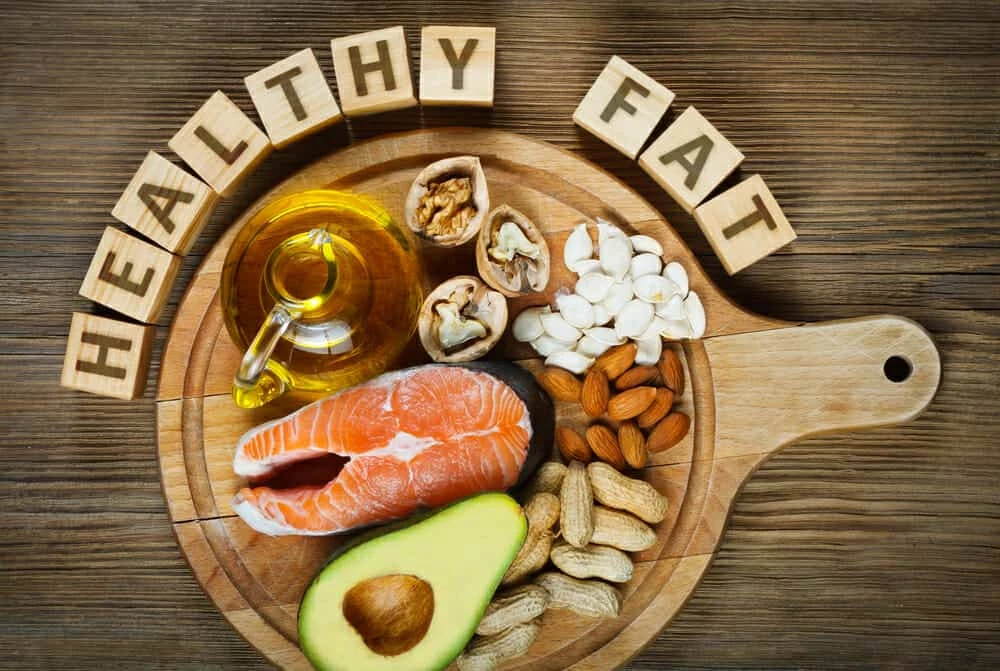

Fats play a crucial role in our daily diet, providing energy, supporting vital bodily functions, and contributing to overall well-being. Understanding the significance of fats is essential for making informed dietary choices and maintaining optimal health. This blog aims to unravel the diverse types of fats, debunk myths surrounding them, and emphasize their role in our bodies.
Understanding Dietary Fats
Dietary fats can be broadly categorized into three main types: saturated, unsaturated, and trans fats. Each type has unique characteristics and impacts on health. Saturated fats, commonly found in animal products and certain oils, have been controversial due to misconceptions about their effects on cardiovascular health. On the other hand, unsaturated fats, including monounsaturated and polyunsaturated fats, are hailed as heart-healthy heroes with positive effects on cholesterol levels and overall well-being.
Saturated Fats: The Controversy
Saturated fats, prevalent in red meat, full-fat dairy, and tropical oils, have faced criticism over the years. Contrary to common beliefs, recent research has debunked myths about saturated fats being solely responsible for heart disease. While moderation is key, incorporating sources of saturated fats in a balanced diet can be part of a healthy lifestyle.
Unsaturated Fats: The Heart-Healthy Heroes
Unsaturated fats, found in olive oil, avocados, and nuts, are known for their positive impact on heart health. Monounsaturated and polyunsaturated fats contribute to lowering bad cholesterol levels and reducing the risk of cardiovascular diseases. Incorporating these fats into the diet can be a simple yet effective step towards maintaining a healthy heart.
Omega-3 and Omega-6 Fatty Acids
Omega-3 and omega-6 fatty acids are essential components for maintaining health. Found in fatty fish, flaxseeds, and walnuts, these fatty acids play a vital role in brain function, reducing inflammation, and supporting heart health. Striking a balance between omega-3 and omega-6 sources is crucial for achieving optimal well-being.
Trans Fats: The Culprits
Trans fats, primarily found in partially hydrogenated oils used in processed foods, pose a significant threat to cardiovascular health. Minimizing the consumption of trans fats is essential, as they contribute to inflammation, high cholesterol levels, and an increased risk of heart disease.
Hidden Fats in Processed Foods
Packaged and processed foods often contain hidden fats that can go unnoticed. Understanding how to read labels is crucial for identifying different types of fats. Making informed choices and opting for whole, unprocessed foods can help reduce the intake of hidden fats and promote a healthier diet.
Fats and Weight Management
Contrary to popular belief, not all fats contribute to weight gain. Fats play a role in satiety and energy balance, and incorporating healthy fats into a balanced diet can support weight management. It\'s essential to focus on overall dietary patterns and choose fats wisely for sustained well-being.
Fats and Hormone Regulation
Fats play a crucial role in hormone production and regulation. They influence reproductive hormones and support the proper functioning of the endocrine system. Understanding the impact of fats on hormonal balance is essential for overall health, particularly in terms of reproductive and metabolic well-being.
Cooking Oils and Their Properties
Choosing the right cooking oil is essential for preserving the nutritional content of food. Understanding the smoke points of common cooking oils helps prevent nutrient loss during cooking. Selecting oils based on their properties ensures that the cooking process not only enhances flavor but also maintains the health benefits of the ingredients.
Balancing Fats in the Diet
Achieving a balanced fat intake involves incorporating a variety of fats into the diet. This includes a mix of saturated and unsaturated fats from different sources. Monitoring overall fat consumption and adjusting dietary patterns based on individual health needs contribute to optimal well-being.
Fats and Heart Health
Navigating the relationship between fats and heart health involves reducing saturated and trans fat intake. Strategies such as choosing lean meats, incorporating plant-based fats, and mindful cooking practices contribute to cardiovascular well-being. Unsaturated fats, when prioritized, have a positive impact on heart health.
Plant-Based Fats vs. Animal Fats
Comparing plant-based and animal fats provides insights into their nutritional differences. While both sources offer essential nutrients, plant-based fats are often associated with lower saturated fat content and additional health benefits. Making conscious choices and including a variety of fats from different sources ensures a well-rounded and balanced diet.
Conclusion
In summary, understanding the types of fats and their roles in the body is crucial for making informed dietary choices. By debunking myths, emphasizing the importance of various fats, and promoting a balanced approach, individuals can support their overall health and well-being. Encouraging readers to make conscious decisions in incorporating fats into their diets reinforces the idea that a nuanced understanding of fats is fundamental for sustained health.





























Sign in to leave a comment.