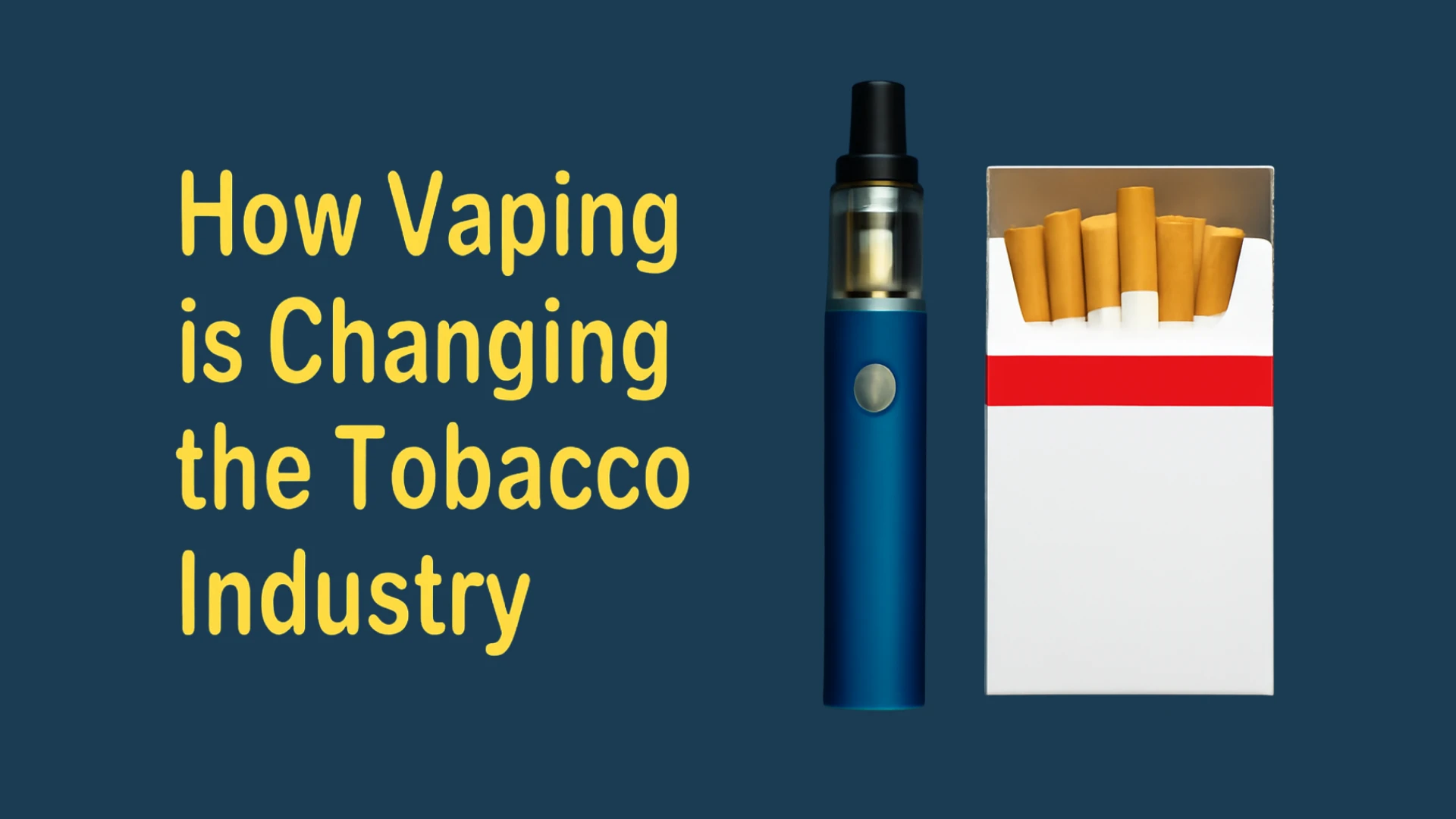

How Vaping is Changing the Tobacco Industry
The rise of vaping has brought significant changes to the tobacco industry, sparking debates, shifting market dynamics, and reshaping consumer behaviors. What started as an alternative to smoking has evolved into a multi-billion-dollar industry with its own unique challenges and opportunities. In this article, we'll explore how vaping is changing the tobacco industry, its impact on traditional smoking, and the future of this evolving market.
The Growth of the Vaping Industry
Vaping, which involves inhaling vapor produced by an electronic cigarette (e-cigarette) or vape pen, has seen explosive growth over the last decade. The global e-cigarette market size was valued at $19.3 billion in 2022 and is expected to continue growing. With more than 40 million adult vapers worldwide, vaping has quickly become a popular choice for smokers seeking a less harmful alternative. This rapid expansion is largely attributed to the perception that vaping is less harmful than smoking traditional cigarettes, as well as the growing variety of e-liquids and vape devices available.
The Impact on Traditional Tobacco Companies
The emergence of vaping has forced traditional tobacco companies to adapt or risk becoming obsolete. Historically, companies like Philip Morris, British American Tobacco (BAT), and Altria dominated the global tobacco market with their cigarette products. However, as consumer interest in e-cigarettes grew, these companies recognized the need to diversify their portfolios. Today, many of these giants are heavily investing in the vaping and nicotine alternatives market.
For example:
- Philip Morris has shifted its focus toward "smoke-free" products like IQOS, a heated tobacco device that competes with e-cigarettes.
- Altria acquired a stake in JUUL Labs, one of the leading e-cigarette brands, to position itself in the growing vaping market.
- BAT launched Vype (now known as Vuse), its own line of e-cigarettes to rival existing products.
These moves illustrate how traditional tobacco companies are adapting to the new reality of consumer preferences. With declining cigarette sales in many countries, the focus is now on vaping, nicotine pouches, and other alternatives to maintain market share.
Changing Consumer Behavior
Vaping is attracting a new generation of consumers, with many younger adults and former smokers seeking alternatives to traditional cigarettes. While cigarette smoking has been declining globally, vaping is often perceived as a less harmful option, especially among younger demographics. The appeal lies in the wide variety of flavors, customizable devices, and the perception that e-cigarettes are a healthier choice.
However, the rise in popularity of vaping among young people has led to concerns over the long-term health effects and potential for nicotine addiction. This has triggered calls for stricter regulations and clearer health guidelines, particularly regarding flavored e-liquids, which have been particularly attractive to teenagers.
The Regulatory Landscape of Vaping
As vaping becomes more mainstream, regulatory bodies are scrambling to catch up with the fast-paced industry. Governments worldwide are grappling with how to regulate e-cigarettes in ways that protect consumers while allowing the industry to thrive.
In countries like the United States, the FDA (Food and Drug Administration) has taken steps to regulate e-cigarettes, requiring manufacturers to submit their products for approval before they can be sold to the public. In some European countries, such as the United Kingdom, vaping is more widely accepted, with regulations focused on ensuring product safety and preventing youth access.
Despite differences in regulations, the growing scrutiny on the vaping industry highlights the challenges tobacco companies face. They must navigate a complex web of laws while ensuring their products remain accessible and appealing to adult consumers.
Vaping as a Smoking Cessation Tool
One of the main reasons people turn to vaping is to quit smoking. Research suggests that e-cigarettes can be an effective smoking cessation tool, with many users reporting a decrease in their cigarette consumption after switching to vaping. Vaping offers smokers a way to satisfy their nicotine cravings without the harmful effects of traditional tobacco combustion.
Public health bodies, including the Public Health England (PHE), have acknowledged the potential benefits of vaping as a harm-reduction strategy. Studies have shown that vaping is 95% less harmful than smoking traditional cigarettes, making it a viable option for those looking to reduce their health risks.
However, there remains some debate about the long-term safety of vaping, particularly regarding the potential risks associated with inhaling the chemicals in e-liquids. As a result, while vaping may help some individuals quit smoking, it’s not without controversy and requires ongoing research to fully understand its health implications.
The Future of the Tobacco Industry: Vaping and Beyond
As the vaping industry continues to evolve, the tobacco industry’s future is more uncertain than ever. The transition from traditional cigarettes to vaping and other nicotine products represents a significant shift, with long-term consequences for both consumers and manufacturers.
Here’s what we can expect moving forward:
- Increased Focus on Harm Reduction – Tobacco companies are likely to continue shifting their focus toward harm-reduction products like e-cigarettes and heated tobacco devices, as they seek to position themselves as responsible players in the public health space.
- More Regulatory Oversight – As vaping continues to grow in popularity, expect governments around the world to implement stricter regulations to address health concerns and prevent youth access to vaping products. This will likely include bans on flavored e-liquids, age restrictions, and product labeling requirements.
- Continued Innovation – With more players entering the market, innovation will play a key role in shaping the future of vaping. Expect to see advancements in e-cigarette technology, improved nicotine delivery systems, and the development of even safer, more customizable devices.
- Global Market Expansion – Vaping is still in its early stages in many parts of the world, particularly in developing countries. As awareness grows and tobacco smoking rates continue to decline, the vaping industry has the potential to expand into new markets, particularly in Asia and Africa.
Conclusion
Vaping has undeniably changed the tobacco industry. From offering smokers a potentially safer alternative to traditional cigarettes to forcing established tobacco companies to adapt, the impact of vaping cannot be understated. While concerns about health risks and regulatory challenges persist, the shift toward vaping is reshaping the future of nicotine consumption. As the market continues to grow, both consumers and manufacturers will need to stay informed about evolving regulations, health research, and technological innovations to navigate this dynamic industry.
In the end, vaping is likely to remain an integral part of the tobacco industry, offering a new pathway for harm reduction while continuing to drive innovation and regulatory debate.


























Sign in to leave a comment.