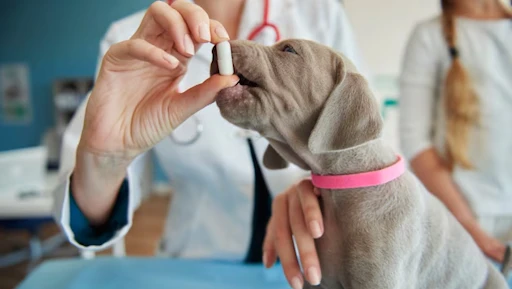

As a pet owner, one of the most challenging aspects of caring for your furry friend is recognizing when something is wrong, especially when symptoms are subtle or hidden. Whether it's unexplained pain, changes in behavior, or difficulty moving, these issues can leave you feeling unsure of how to help your pet.
Fortunately, veterinary imaging in Maryland is providing an invaluable tool for detecting hidden health problems. From advanced X-rays and MRIs to CT scans and ultrasounds, these technologies allow veterinarians to diagnose a wide range of conditions with precision, ensuring your pet gets the care they need, when they need it.
1. Uncovering Hidden Injuries and Trauma
One of the most significant advantages of veterinary imaging is its ability to uncover injuries that might not be immediately apparent. Pets, especially those who are active or involved in accidents, may suffer from injuries that aren’t visible on the surface. A pet could have a sprain, fracture, or internal bleeding that doesn’t show outward signs of distress until it worsens. Imaging tools like X-rays and MRIs are invaluable in these cases, as they can reveal bone fractures, soft tissue damage, and internal bleeding that might otherwise go undetected.
In Maryland, where pets enjoy an active lifestyle, particularly in outdoor environments, having access to imaging technologies helps veterinarians detect injuries early, so that treatment can begin right away, minimizing long-term damage and discomfort for your pet.
2. Diagnosing Neurological Conditions
Neurological issues in pets can manifest in subtle ways. Symptoms like weakness, loss of coordination, seizures, or behavioral changes are all signs that something might be wrong with your pet's brain or nervous system. However, these symptoms can easily be attributed to other conditions, making it difficult to pinpoint the exact cause. Veterinary imaging plays a critical role in diagnosing neurological conditions, as it allows veterinarians to closely examine the brain, spinal cord, and nerves.
In Maryland, where specialized veterinary neurology services are available, imaging techniques such as MRIs are used to identify neurological issues like brain tumors, intervertebral disc disease, spinal cord injuries, and more. Early diagnosis of neurological problems can be crucial in improving the outcome of treatment and offering your pet the best chance for recovery.
3. Monitoring Chronic Conditions
For pets dealing with chronic conditions such as arthritis, kidney disease, or heart disease, regular imaging can be a vital tool for monitoring their health over time. These conditions may not be immediately life-threatening, but they require ongoing management to ensure they don’t progress into more serious problems.
For instance, regular X-rays can track the progression of joint degeneration in pets with arthritis, while ultrasounds can monitor the size and function of internal organs like the heart and kidneys. In Maryland, veterinary clinics equipped with advanced imaging services allow for the ongoing monitoring of chronic conditions, giving pet owners peace of mind knowing that their pets’ health is under constant observation.
4. Early Detection of Cancer
Cancer is one of the leading causes of death in pets, but many types of cancer can be difficult to detect without imaging. Tumors, especially those that are located deep within the body or surrounded by other organs, may not show any external signs until they’ve grown significantly. Diagnostic imaging such as MRIs, CT scans, and ultrasounds are used to detect tumors early, allowing for earlier intervention and better treatment outcomes.
Veterinary imaging centers in Maryland offer state-of-the-art equipment that can help detect cancerous growths in their earliest stages. By identifying tumors early, veterinary professionals can work with pet owners to devise a treatment plan that may involve surgery, chemotherapy, or radiation, depending on the type and stage of cancer. Early detection increases the likelihood of successful treatment and improves your pet’s overall quality of life.
5. Improved Accuracy for Complex Diagnoses
There are many conditions in pets that are difficult to diagnose based on clinical signs alone. Conditions such as infections, cysts, tumors, or developmental abnormalities can easily be overlooked during a physical examination, especially when symptoms are vague or intermittent. Imaging offers a much clearer picture of what’s happening inside your pet’s body, leading to more accurate diagnoses and better treatment outcomes.
In Maryland, where veterinary clinics are equipped with the latest imaging technologies, veterinarians can provide a thorough and accurate diagnosis for even the most challenging cases. Whether it’s a sudden onset of symptoms or a persistent issue that isn’t responding to treatment, imaging technologies such as CT scans and MRIs can help pinpoint the exact cause and guide your vet in recommending the right treatment plan.
6. Minimizing the Need for Invasive Surgery
One of the primary benefits of veterinary imaging is its ability to diagnose issues without resorting to invasive surgery. Before the advent of imaging technology, veterinarians often had to rely on exploratory surgery to determine the cause of certain symptoms. Today, imaging allows vets to visualize the issue directly, reducing the need for invasive procedures and allowing for less traumatic treatments.
This is particularly important for pets who are older or have health conditions that make surgery riskier. In Maryland, with access to advanced imaging tools, pet owners can rest assured that their pets will receive the least invasive, most effective care possible.
Conclusion
Veterinary imaging is revolutionizing pet healthcare in Maryland by providing early detection and accurate diagnoses for a range of conditions. From hidden injuries and neurological issues to chronic diseases and cancer, these technologies enable veterinarians to intervene early and reduce the need for invasive procedures. As a pet owner, being proactive and seeking imaging services when necessary ensures your pet receives the best care and a better chance for a long, healthy life.






























Sign in to leave a comment.