
Empty properties can sometimes be difficult for potential buyers to visualize because unfurnished rooms provide limited context about how the available space could be used. virtual home staging offers a digital solution by adding realistic furniture, decor, lighting, and other interior elements to property photographs. This approach can help viewers imagine how different rooms might look when furnished while preserving the original architecture and layout. When thoughtfully prepared, staged images can make vacant interiors feel warmer, more functional, and visually appealing without requiring physical furniture.
Creating a Stronger First Impression
Online property listings often depend on photographs to attract initial attention. An empty room may look clean and spacious, but it can also appear cold or unfinished. Digital furnishings can introduce visual structure and help viewers understand the purpose of the room. A living area with appropriately scaled seating can feel more welcoming, while a staged bedroom can provide a clearer sense of comfort. These visual improvements can encourage potential buyers to explore the rest of the listing and consider the property more seriously.
Helping Buyers Understand Empty Spaces
Demonstrating Furniture Placement
Furniture can provide an important sense of scale within an interior. When a room is completely empty, buyers may have difficulty estimating whether their existing furniture will fit comfortably. Digital staging can show practical arrangements using appropriately sized sofas, beds, tables, chairs, and storage pieces. This provides viewers with a visual reference for the available floor area. A realistic arrangement can also demonstrate walking paths and functional zones. By showing how furniture might fit within a room, staged imagery can make spatial relationships easier to understand.
Showing Practical Room Functions
Some rooms can serve several different purposes, especially in larger properties. An empty room may be presented as a bedroom, office, guest space, reading area, or entertainment room depending on the buyer's needs. Digital staging can demonstrate one or more practical uses while keeping the underlying room structure visible. This can help potential buyers recognize flexibility that may not be immediately obvious. When the chosen furniture matches the room's dimensions and characteristics, the staged image can provide useful inspiration without creating unrealistic expectations about how the space could be used.
Making Property Listings More Attractive
Adding Warmth and Personality
Furniture and decor can make an interior photograph feel more comfortable and inviting. Carefully selected rugs, artwork, tables, seating, plants, and lighting elements can introduce warmth without overwhelming the room. The design should complement existing architectural features such as flooring, windows, walls, and ceiling details. A balanced arrangement can create a sense of personality while keeping attention on the property's genuine characteristics. This can make a listing gallery more visually engaging and help potential buyers form a stronger emotional connection with the spaces shown.
Creating Visual Consistency
A property listing often contains photographs of several rooms, and each image should contribute to a cohesive presentation. Using complementary furniture styles, colors, and decorative elements can help create consistency throughout the gallery. A modern living room paired with a similarly styled dining area and bedroom can make the property feel thoughtfully presented. Consistency does not require every room to look identical. Instead, the design approach should create a natural connection between spaces while allowing each room to communicate its individual purpose and characteristics.
Supporting Different Interior Design Styles
Modern Interior Concepts
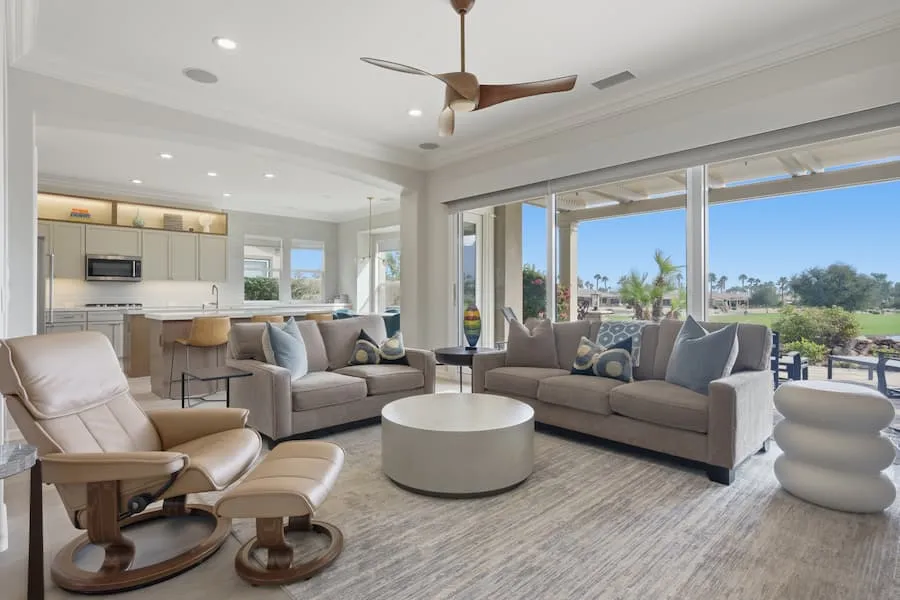
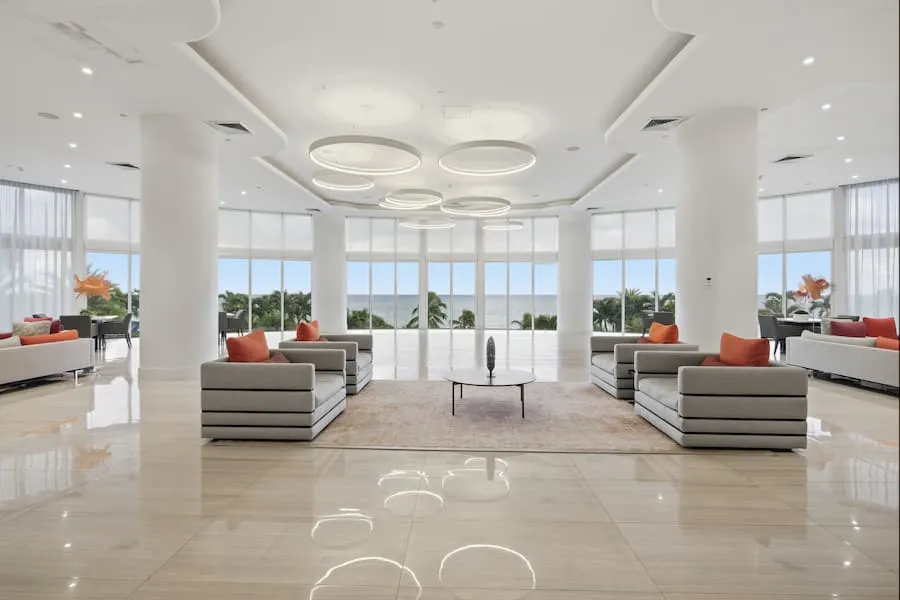
Modern staging often focuses on simple furniture, clean lines, practical arrangements, and uncluttered spaces. These characteristics can work well for properties with open layouts, contemporary architecture, or neutral finishes. A digitally staged modern interior can demonstrate how a buyer might furnish the space while maintaining a sense of openness. Appropriate furniture placement can also highlight large windows, natural light, flooring, and other existing features. The goal is to create an attractive environment without allowing decorative elements to dominate the room or hide its genuine architectural qualities.
Traditional Interior Concepts
Traditional styling can introduce warmth and familiarity through classic furniture shapes, textured fabrics, natural materials, and carefully selected decorative details. This approach may work particularly well in properties with established architectural features or larger rooms. A staged traditional interior can help potential buyers imagine how a comfortable family environment could look. Furniture should remain appropriately scaled and should not obscure important features. Thoughtful styling can demonstrate the room's potential while allowing fireplaces, molding, wood flooring, windows, and other permanent elements to remain visible.
Improving the Appeal of Vacant Properties
Addressing the Challenges of Unfurnished Rooms
Vacant properties may sometimes appear smaller, colder, or less functional than they actually are because there are no furnishings to provide visual references. Buyers may also find it difficult to imagine where furniture could be placed. Digital staging can address these challenges by adding realistic objects that establish scale and purpose. This can help transform a plain photograph into a more informative visual presentation. The underlying structure remains unchanged, allowing viewers to appreciate the property's actual layout while gaining ideas about how the rooms might eventually be furnished.
Highlighting Property Potential
A vacant home may have valuable features that are not immediately noticeable in an empty photograph. A staged image can direct attention toward spacious windows, attractive flooring, open living areas, fireplaces, or useful room dimensions. Furniture can be positioned to complement these characteristics rather than conceal them. When staging is carefully designed, the photograph can communicate both the existing property and its potential. This combination can help viewers appreciate possibilities that may otherwise be overlooked during quick online browsing.
Supporting Online Property Marketing
Creating More Engaging Listing Images
Property websites often display numerous listings at the same time, making visual presentation especially important. Attractive staged photographs can encourage users to pause and examine a listing rather than immediately moving to another property. A well designed room can communicate comfort, functionality, and style at a glance. This can make the image more engaging while providing useful information about the space. Strong visual presentation cannot replace accurate property details, but it can help draw attention to a listing and encourage further exploration.
Supporting Social Media Promotion
Social media marketing depends heavily on visual content, making property photographs useful promotional assets. Staged images can provide visually appealing material for posts, advertisements, and property highlights. A professionally presented living room or bedroom may communicate the property's potential quickly when users are scrolling through content. Digital staging can also allow marketers to create several visual concepts from the same original photograph. When staged images are clearly identified and remain realistic, they can support promotional activity while helping potential buyers understand what the property could look like when furnished.
Saving Time and Reducing Physical Staging Demands
Simplifying Property Preparation
Traditional home staging can require furniture transportation, delivery coordination, setup, rearrangement, storage, and removal. These activities can take considerable time and may create additional costs. Digital staging can reduce the need for many physical preparations when the marketing campaign primarily uses photographs. Empty rooms can be photographed and digitally furnished without bringing physical items into the property. This can make the preparation process more flexible, especially when several vacant properties need to be marketed at once. Professionals can also explore different styles without physically changing the rooms.
Creating Multiple Design Options
Digital staging can make it possible to present the same room using different design concepts. A living room might be shown with a minimalist arrangement, a family focused layout, or a sophisticated entertaining setup. This flexibility can help demonstrate that a room can support different lifestyles. However, each concept should remain practical and consistent with the room's dimensions. Providing too many dramatic variations may create confusion. Carefully selected alternatives can instead show versatility while maintaining a realistic connection to the property's actual structure.
Maintaining Accurate Property Representation
Preserving Existing Features
Digital furnishings should complement rather than replace the property's genuine characteristics. Walls, doors, windows, floors, ceilings, built in cabinets, fireplaces, and other permanent features should remain accurate. Staging should not cover important details or alter structural elements simply to create a more attractive photograph. Preserving these features helps potential buyers distinguish between the actual property and the visual furnishings added for presentation. This approach allows digital staging to provide inspiration while maintaining a reliable representation of the space being marketed.
Using Realistic Furniture Proportions
Furniture that is too large can make a room appear smaller, while furniture that is too small may create a misleading impression of spaciousness. Proper proportions are therefore essential for effective digital staging. Beds, sofas, tables, chairs, and storage units should fit naturally within the room and leave reasonable walking space. Realistic scale allows viewers to understand how the space could function in everyday life. It also reduces the risk of creating expectations that cannot be supported during an actual property viewing.
Creating a Comfortable Visual Experience
Choosing Appropriate Decorative Elements
Decorative items can help establish a room's atmosphere, but they should be selected carefully. Artwork, cushions, rugs, plants, lamps, and other accessories can add personality without overwhelming the available space. Neutral and coordinated choices may appeal to a broader range of potential buyers because they allow viewers to imagine their own preferences. Decorative elements should support the room's function and architectural style. A comfortable visual balance can make the image more inviting while ensuring that the property's actual features remain the primary focus.
Supporting Natural Looking Lighting
Lighting strongly influences how comfortable and realistic an interior appears. Digital staging should respect the original photograph's light direction and overall atmosphere. Furniture and decorative elements should appear naturally integrated with the existing illumination, including appropriate shadows and highlights. If added elements appear disconnected from the room's lighting, the image may look artificial. A realistic lighting approach helps staged furniture feel like part of the environment. This can create a more convincing presentation while maintaining the visual qualities of the original property photograph.
Supporting Different Property Types
Residential Homes
Traditional houses, apartments, condominiums, and other residential properties can benefit from staged interiors that communicate comfort and functionality. Living rooms, bedrooms, dining areas, kitchens, and offices can each be presented according to their likely purpose. The design should reflect the property's size, architecture, and target audience. A thoughtfully staged home can help viewers imagine daily routines within the space. This can be particularly useful when photographs are being viewed online by people who have not yet visited the property in person.
Newly Constructed Properties
Newly built properties may be finished but completely unfurnished when they first enter the market. Empty photographs can communicate construction quality but may not fully demonstrate how the completed home could function. Digital staging can provide visual examples of possible interior arrangements while leaving the underlying structure unchanged. Buyers can see how furniture might interact with room dimensions, windows, flooring, and architectural features. This can make newly completed spaces easier to visualize and provide additional context during the early stages of property research.
Using Digital Staging Responsibly
Maintaining Transparency
Potential buyers should understand when furniture or decorative elements have been digitally added. Clear communication helps prevent confusion and allows viewers to distinguish between actual property features and visual concepts. Digital staging works best when it inspires possibilities without creating misleading expectations. Significant structural changes should not be presented as though they already exist. Maintaining transparency supports trust and ensures that buyers understand what they are likely to encounter during a physical viewing. Responsible presentation allows attractive marketing and accurate property information to work together.
Avoiding Excessive Decoration
Overcrowded rooms can become less appealing even when the furniture itself is attractive. Too many decorative elements may reduce visible floor space and make the room difficult to understand. Effective staging should provide enough furnishings to establish scale and function while leaving appropriate open areas. Simplicity can often create a stronger result because viewers can focus on the room itself. A balanced approach can make the property appear comfortable and practical rather than overly designed, helping potential buyers imagine how their own belongings might fit within the space.
Choosing Effective Staging Approaches
Matching Design to Property Character
The staging style should complement the property's architecture and existing finishes. A contemporary apartment may benefit from clean modern furnishings, while a traditional home may suit warmer and more classic elements. Matching the design to the property can make the staged photograph feel more natural. The selected style should also appeal to the likely target audience without becoming overly specific. A balanced design can communicate potential while leaving enough room for viewers to imagine their own preferences and lifestyle within the property.
Reviewing Final Images Carefully
Every digitally staged photograph should be reviewed before publication. Professionals should check furniture proportions, perspective, lighting, shadows, room dimensions, and the visibility of permanent features. Any artificial looking elements should be corrected before the image is used in marketing. A careful review can prevent inconsistencies across a property listing and help maintain a professional standard. The final image should appear attractive while remaining credible. Quality control is especially important because viewers may use photographs as a primary source of information during online property research.
Final Thoughts
Digital staging can make empty properties more inviting by adding realistic furniture, demonstrating room functions, providing visual scale, and helping potential buyers imagine different interior possibilities. virtual home staging can support stronger property presentations while reducing some of the time and logistical demands associated with physical staging. When realistic proportions, appropriate design, accurate architecture, and transparent presentation are maintained, staged images can provide useful context without misleading viewers. AutoHDR can represent a modern approach to property marketing where digital visual tools help transform vacant interiors into engaging, informative, and professionally presented spaces.
























Sign in to leave a comment.