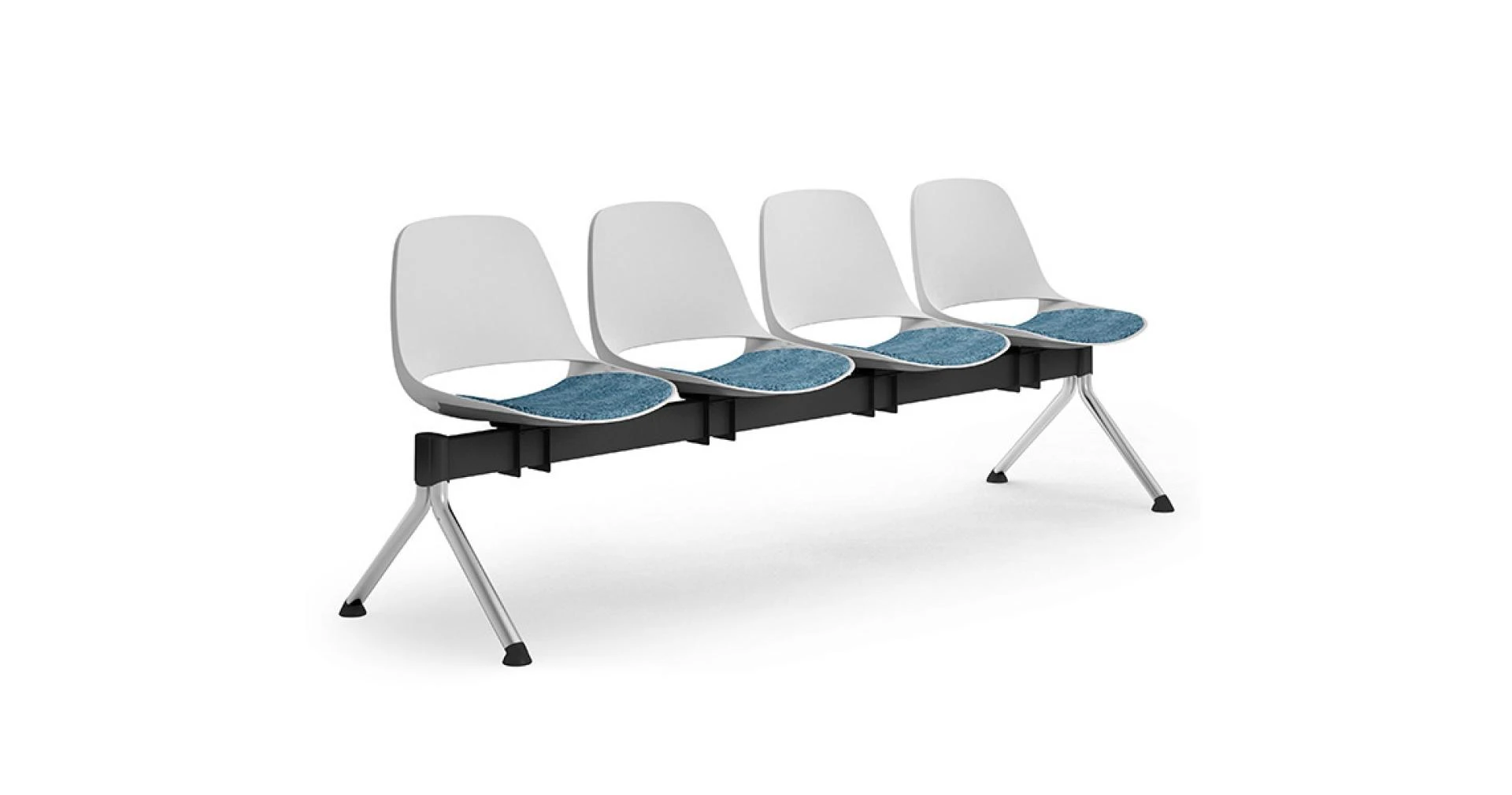

Waiting chairs play an essential role in offices, hospitals, schools, transportation hubs, and countless other public spaces. Because these chairs accommodate people of all ages and abilities, manufacturers must uphold strict safety and compliance standards to protect users and meet regulations. From the selection of materials to the design and testing processes, every step is carefully managed to ensure chairs are reliable, comfortable, and compliant with industry guidelines.
This article explores how modern waiting chair manufacturers achieve these high standards and why it matters for organizations investing in quality seating.
Commitment to Rigorous Standards
Reputable manufacturers understand that their products must not only look appealing but also adhere to legal and regulatory requirements. A trusted waiting chair manufacturer will follow established protocols and industry benchmarks to demonstrate that their chairs can withstand heavy use without compromising safety or durability.
By partnering with a manufacturer committed to compliance, businesses and institutions reduce liability risks, ensure accessibility, and create welcoming environments that meet the expectations of both regulators and users.
Material Safety and Quality
One of the most important aspects of compliance is selecting safe, certified materials. Manufacturers invest in high-quality components that meet health and safety standards, including:
- Low-emission finishes and adhesives: Many jurisdictions restrict volatile organic compounds (VOCs), which can contribute to poor indoor air quality. Compliant chairs use water-based or low-VOC coatings.
- Fire-retardant materials: Upholstery, foam, and structural elements often need to meet flammability standards such as California Technical Bulletin 117 or equivalent local regulations.
- Non-toxic plastics and metals: Materials are tested for heavy metals, harmful chemicals, and allergens to ensure they are safe for all users.
Sourcing certified, tested materials is the first step in protecting end users and meeting regulations.
Structural Integrity and Load Testing
To guarantee durability, manufacturers perform structural and load tests that simulate years of real-world use. Common standards referenced in this testing include:
- ANSI/BIFMA standards: These guidelines specify testing methods for strength, stability, and durability. For example, chairs must withstand repeated weight loading without deformation or failure.
- ISO certifications: International standards such as ISO 7173 provide testing protocols for seating performance.
- EN standards: In Europe, EN 16139 covers strength, durability, and safety requirements for non-domestic seating.
During testing, chairs are subjected to cycles of pressure, impact, and tipping force to verify they can safely support users across different scenarios.
Ergonomic Design Requirements
Safety is also about reducing the risk of strain or injury. Ergonomic compliance ensures chairs are comfortable and supportive, especially for long waiting periods. Key considerations include:
- Seat height and depth: These dimensions must accommodate a range of body types and abilities.
- Lumbar support: Backrests are shaped to encourage healthy posture and prevent discomfort.
- Armrest design: Armrests help users sit and stand safely, particularly those with limited mobility.
By meeting ergonomic guidelines, manufacturers protect users from avoidable musculoskeletal strain.
Accessibility and Inclusive Design
Accessibility regulations require that public seating be usable by people with disabilities. In the United States, this includes compliance with the Americans with Disabilities Act (ADA), which establishes requirements such as:
- Clear floor space around chairs for wheelchair users
- Proper seat height to ease transfers
- Accessible configurations in waiting areas
Manufacturers often produce ADA-compliant models or modular seating systems that can be arranged to meet accessibility needs.
Flammability and Fire Safety
Fire safety standards vary by jurisdiction but are essential in healthcare and public facilities. Chairs must be constructed with materials that resist ignition and slow flame spread. Testing includes:
- Open flame tests on upholstery and foam
- Smolder resistance tests
- Certification labeling to demonstrate compliance
Facilities managers are responsible for verifying that seating meets local codes, making clear documentation from manufacturers essential.
Labeling and Documentation
Proper labeling and documentation are vital to proving compliance. Manufacturers provide:
- Certificates of compliance with standards such as ANSI/BIFMA, ISO, or EN
- Material safety data sheets (MSDS) detailing composition and safety considerations
- Warranty documentation specifying performance expectations
- Clear assembly and maintenance instructions to ensure safe use over the chair’s lifespan
This transparency helps purchasers and inspectors confirm that seating meets all applicable regulations.
Ongoing Quality Control and Continuous Improvement
Safety and compliance are not one-time tasks. Manufacturers maintain robust quality control processes to monitor production consistency. This includes:
- Batch testing materials and components
- Inspecting finished products before shipping
- Tracking field performance and customer feedback
- Updating designs to comply with evolving regulations
Continuous improvement ensures products remain safe, reliable, and compliant as standards advance.
Conclusion
When sourcing waiting chairs, it is essential to choose a manufacturer with a proven commitment to safety and compliance. From material selection to ergonomic design, structural testing, and clear documentation, every step in the process contributes to a safer and more comfortable experience for your visitors. By understanding how manufacturers meet these standards, you can make informed decisions that protect your clients, staff, and reputation for years to come.































Sign in to leave a comment.