In today’s rapidly industrializing world, the demand for clean, usable water is higher than ever. With industries such as mining, textiles, chemical manufacturing, and oil refining generating millions of gallons of contaminated water every day, the crucial need for efficient wastewater treatment technologies continues to grow. Amidst various solutions available, one innovation is making powerful strides in transforming the water purification process — Waste Water Treatment Polymer.
At Shandong UPS Chemical Co., Ltd, a trusted name in the chemical manufacturing industry, we recognize the urgent need to innovate and provide sustainable solutions for water treatment. Among our range of advanced chemical products, Waste Water Treatment Polymers stand out as a groundbreaking solution, enabling industries and municipalities to treat wastewater more efficiently, economically, and sustainably.
Understanding Waste Water Treatment Polymers
First, it’s important to understand what waste water treatment polymers are and how they function. In simple terms, these polymers are long-chain macromolecules that interact with suspended solids in wastewater, causing them to aggregate and settle or float for easier removal. These polymers are often classified into three types: cationic, anionic, and non-ionic, each suited for specific applications based on the type of contaminants present in the wastewater.
Cationic polymers, for instance, are particularly effective in treating sludge and organic waste streams by neutralizing negatively charged particles and improving solid-liquid separation. Such efficiency not only leads to higher throughput in treatment plants but also significantly lowers operational costs.
Why Traditional Wastewater Treatment Methods Are No Longer Enough?
While traditional methods like sedimentation, filtration, and biological treatments have long been used in wastewater management, they often fall short in today's increasingly complex and chemical-laden industrial effluents. Some key drawbacks of conventional methods include:
- Longer processing times
- Lower efficiency with high molecular weight contaminants
- Higher sludge generation
- Increased chemical and energy consumption
This is where Waste Water Treatment Polymers offer a superior alternative. They add immense value by accelerating coagulation and flocculation processes, reducing chemical loads, and improving the quality of treated water — all while cutting down operation costs.
How Waste Water Treatment Polymer Is Revolutionizing the Industry?
1. Increased Efficiency in Coagulation and Flocculation
Coagulation and flocculation are critical steps in the treatment process. Waste water treatment polymers, particularly cationic varieties, improve particle agglomeration rates vastly better than conventional coagulants like alum or ferric salts. This allows for quicker sedimentation, clearer effluent, and lower chemical consumption.
2. Reduced Sludge Volume and Handling Cost
One of the biggest pain points in wastewater treatment is sludge management. By using advanced polymers, the moisture content in sludge is significantly reduced. This results in less volume, which translates to lower transport and disposal costs.
3. Compatibility with Various Industries
From municipal wastewater plants to mining, pulp and paper, textile, food processing, and chemical industries, waste water treatment polymers have a wide range of applicability. Their adaptable nature allows them to treat both organic and inorganic pollutants effectively.
4. Minimal Environmental Impact
Environmentally friendly treatment solutions are the future. Advanced polymers supplied by Shandong UPS Chemical Co., Ltd are designed to be low-toxicity and biodegradable, helping companies comply with stringent environmental regulations while minimizing their ecological footprint.
5. Cost-Effective and Scalable Solutions
For industries dealing with variable wastewater output, polymer-based treatments offer scalability without efficiency loss. Moreover, the overall cost of treatment per cubic meter is significantly reduced, thanks to lower dosages, faster processing, and fewer energy-intensive steps.
Applications of Waste Water Treatment Polymer Across Industries
a) Municipal Wastewater Treatment
Municipalities rely on polymer solutions to improve water clarity and reduce biological load. Cationic and anionic polymers play a vital role in primary and secondary clarifiers, sludge dewatering, and tertiary treatment.
b) Mining Industry
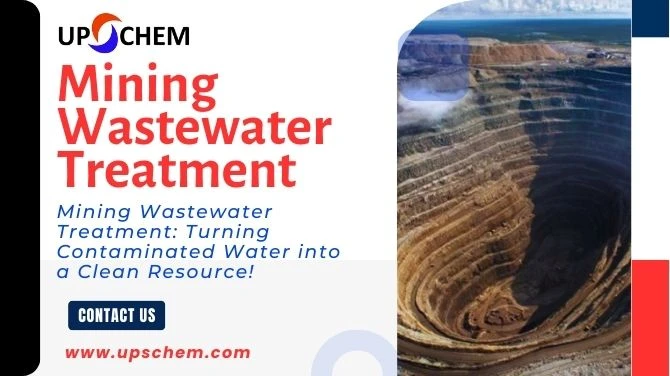
In mining, large volumes of water are needed for processing, often contaminated with fine particles and heavy metals. Waste water treatment polymers help recover water, remove suspended solids, and manage tailings more effectively.
c) Pulp and Paper Mills
The industry generates a high load of organic and inorganic particles. Treatment polymers assist in clarification of process water, significantly boosting recovery rates and cutting costs.
d) Food & Beverage Industry
In F&B processing, the wastewater often contains high BOD/COD. Polymers enable rapid flocculation of fatty, oily, and proteinaceous substances, improving discharge quality.
e) Chemical Manufacturing
With complex chemical effluents, conventional treatments often fail. Polymer-assisted treatment ensures proper neutralization and flocculation, especially in pH-sensitive waste streams.
Why Choose Shandong UPS Chemical Co., Ltd for Your Polymer Solutions?
At Shandong UPS Chemical Co., Ltd, we pride ourselves on delivering high-performance Waste Water Treatment Polymers that meet diverse industry standards. With decades of R&D, we’ve developed specialized grades of cationic, anionic, and non-ionic polymers tailored to your exact wastewater treatment needs.
Here’s what sets us apart:
- Custom formulation support for industry-specific applications
- Reliable global supply chains ensuring timely delivery
- Eco-friendly product lines in compliance with REACH and other global standards
- Full technical assistance, including on-site trials
- Advanced QC labs to guarantee consistent product quality
We are your partners in creating solutions that not only treat water but restore ecosystems, cut costs, and reduce your environmental footprint.
Our experts at Shandong UPS Chemical Co., Ltd can help you with testing and the right product recommendation.
Looking Ahead: The Future of Water Treatment Is Polymer-Driven
As global demand for water increases and environmental regulations tighten, Waste Water Treatment Polymers will play a central role in shaping the future of clean water access. They offer an intelligent path forward — combining cost-effectiveness, regulatory compliance, and exceptional performance.
At Shandong UPS Chemical Co., Ltd, we are committed to being at the forefront of this transformation. Whether you're a small-scale plant or a large industrial facility, our customized polymer solutions are designed to meet your most critical wastewater treatment challenges.
The journey toward sustainable and efficient water management starts with the right technology. Waste Water Treatment Polymers, especially those offered by Shandong UPS Chemical Co., Ltd, are empowering industries to meet strict discharge norms while preserving one of our most precious natural resources — clean water.
FAQs: Waste Water Treatment Polymer
Q1. What is a Waste Water Treatment Polymer?
A Waste Water Treatment Polymer is a synthetic or natural compound used to enhance the separation of solids and liquids in contaminated water. These polymers are commonly used in coagulation and flocculation processes.
Q2. How do polymers work in wastewater treatment?
Polymers work by neutralizing the charges on particles, allowing them to come together and form large flocs that are easier to separate through sedimentation or flotation.
Q3. Is it safe to use polymers in water treatment?
Yes, when used in appropriate dosages, many polymers are safe and meet regulatory standards. At Shandong UPS Chemical, all our products are tested for toxicity, biodegradability, and environmental compliance.
Q4. Are there different types of Waste Water Treatment Polymers?
Yes. The three primary types are:
- Cationic Polymers – Best for organic-rich wastewater
- Anionic Polymers – Suitable for inorganic particles
- Non-Ionic Polymers – Effective in neutral or low ionic strength systems
Q5. Can these polymers reduce operating costs in wastewater treatment plants?
Absolutely. Since polymers accelerate the treatment process and reduce the volume of sludge, they help lower energy, labor, and disposal costs significantly.
Q6. What industries benefit the most from polymer-based treatment?
Industries such as mining, textiles, municipal wastewater, oil and gas, paper and pulp, and chemical manufacturing gain tremendous value from polymer-based wastewater treatment solutions.
Q7. How do I choose the right polymer for my wastewater treatment process?
Selection depends on:
- Type of wastewater
- pH level
- Suspended solids content
- Desired sludge dewatering efficiency
Sign in to leave a comment.