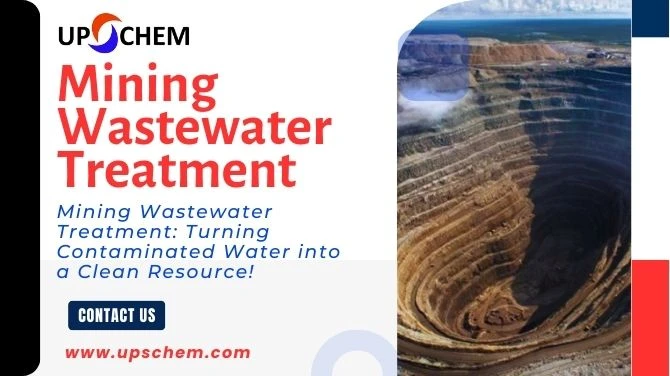
Water is one of the most vital natural resources on Earth, yet it remains one of the most vulnerable to industrial pollution—especially from large-scale extractive industries such as mining. Mineral processing and ore extraction generate vast volumes of contaminated water rich in heavy metals, suspended solids, chemicals, and acidic compounds. Left untreated, this wastewater presents a dire threat to ecosystems, groundwater, and human health. Therefore, efficient and sustainable Mining Wastewater Treatment is not just a regulatory requirement—it is an environmental and operational imperative.
At Shandong UPS Chemical Co., Ltd., we specialize in advanced chemical solutions for industrial water treatment, offering high-performance flocculants, coagulants, and customized treatment strategies to meet the most demanding wastewater challenges. Our products are widely used in mining operations around the world to help companies transform polluted water into a reusable or discharge-compliant resource.
What Is Mining Wastewater?
Mining wastewater refers to contaminated water generated during mining activities including mineral extraction, ore washing, tailings transportation, and chemical processing. Depending on the type of mining operation, the wastewater can contain a cocktail of pollutants such as:
- Suspended solids (SS)
- Heavy metals (arsenic, lead, cadmium)
- Cyanide and other processing chemicals
- Sulfates and nitrates
- Low pH (acid mine drainage)
- Oil and grease
This wastewater is usually stored in a tailings pond or reservoir, and if not properly treated, it can leach into nearby water bodies, damaging ecosystems and violating environmental standards.
Environmental and Regulatory Challenges
Untreated mining wastewater has severe consequences:
- Acid Mine Drainage (AMD): Caused by exposure of sulfide minerals to water and oxygen. This creates sulfuric acid, which dissolves harmful metals into waterways.
- Groundwater Contamination: Pollutants can seep through the soil and contaminate aquifers.
- Biodiversity Loss: Aquatic plants and animals are sensitive to changes in water chemistry.
- Legal Penalties: Many countries enforce strict discharge limits via regulatory bodies (e.g., EPA in the U.S., MEE in China). Non-compliance can result in mine closure, fines, or lawsuits.
Fortunately, modern Mining Wastewater Treatment solutions aim to remove contaminants efficiently and transform wastewater into a clean or reusable resource.
Core Objectives of Mining Wastewater Treatment
When designing or upgrading a mining wastewater treatment system, the goals should include:
- Reducing Total Suspended Solids (TSS)
- Neutralizing pH
- Removing heavy metals and chemically toxic substances
- Meeting discharge or reuse standards
- Minimizing sludge volume and disposal costs
A successful treatment program not only focuses on pollutant removal but also optimizes water reuse for process operations, drastically cutting down freshwater demands in remote or arid mining sites.
Popular Treatment Methods in Mining Wastewater Management
Mining Wastewater Treatment is treated via a combination of physical, chemical, and sometimes biological processes. Let’s explore the most effective and commonly used technologies.
1. Sedimentation and Clarification
- Objective: Removal of suspended solids (iron, clay, silt, sand).
- Method: Coagulation and flocculation followed by sedimentation.
Chemical aids like:
- Ferric sulfate for coagulation
- Polyacrylamide flocculants (PAM) for faster sedimentation
At Shandong UPS Chemical Co., Ltd., we provide high-efficiency anionic and non-ionic PAMs developed for the specific needs of the mining industry.
2. pH Adjustment and Precipitation
- Objective: Remove metal ions (e.g., copper, zinc) by converting them into non-soluble forms.
- Method: Adding lime, caustic soda, or soda ash to raise pH and precipitate metals.
These precipitates are then removed through filtering or sedimentation.
3. Filtration and Dewatering
- Objective: Remove solid flocs or precipitates and reduce sludge volume.
- Equipment used: Filter presses, belt filters, and centrifuges.
Polyacrylamide flocculants enhance filter cake dryness, improving overall efficiency.
4. Membrane Technologies (Optional)
For reuse or zero liquid discharge (ZLD) setups:
- Reverse osmosis (RO)
- Ultrafiltration (UF)
Used after solids and heavy metals are removed. Often not cost-effective on their own for high-TSS mining effluents—but extremely useful in high-regulation zones.
5. Advanced Oxidation and Adsorption
Techniques like ozonation, activated carbon, or peroxide treatments are used to break down cyanides, organic solvents, or sensitive chemical residues.
Why Polyacrylamide Flocculant Is Crucial in Mining Wastewater Treatment?
Among all chemical additives, polyacrylamide flocculants (PAM) are central to efficient, cost-effective treatment in mining operations.
Shandong UPS Chemical Co., Ltd. supplies a wide range of PAMs suited for different needs:
Type Best Use:
- Anionic PAM Tailings and suspended solid removal
- Non-ionic PAM Metal ion sludge and coal washing water
- Cationic PAM Oil-in-water separation (rare in mining)
Key Benefits:
- Accelerates sedimentation & settling time
- Reduces turbidity and improves water clarity
- Decreases the volume of sludge for handling
- Enhances filter press output and cake dryness
- Works in conjunction with metal precipitants and pH adjusters
Our lab team at UPS Chemical can conduct jar tests and field simulations to find the optimal flocculant dosage and type for your mine’s wastewater.
Water Reuse and Recycling in Mining
Effective treatment enables water recycling, helping reduce environmental risk and operational costs.
Reuse Applications After Treatment:
- Ore washing
- Drilling and dust suppression
- Tailings transportation
- Cooling and utility water
Sustainable mining practices include closing the water loop, and friction reducers and flocculants help support this process by making water suitable for internal reuse, which also reduces strain on local water resources.
Customized Solutions from Shandong UPS Chemical Co., Ltd.
We provide industry-grade water treatment chemicals that are:
- Tailored for high TSS and heavy metals
- Compliant with international discharge standards
- Backed by lab support and onsite technical consultation
- Available in powder and liquid emulsion for easy handling
- Delivered in bulk or packaged volumes for immediate supply
With years of experience serving mining sites across Asia, Africa, and South America, our team helps you improve throughput while minimizing environmental risk.
Transforming Wastewater Into a Resource
In an industry like mining, where water usage is immense and waste streams are highly variable, Mining Wastewater Treatment is both a challenge and an opportunity. With the right strategies, contaminated water can be treated, reused, or safely discharged—all while preventing regulatory penalties and supporting sustainability commitments.
Polyacrylamide flocculants, combined with smart process design and robust chemical programs, turn this possibility into reality.
Frequently Asked Questions (FAQ)
Q1: What is the biggest challenge in treating mining wastewater?
A: High variability. Mining water from different locations or ore types contains varying levels of metals, TSS, and chemicals. This demands tailored chemical solutions and real-time process control.
Q2: Is polyacrylamide flocculant safe for the environment?
A: Yes. When used according to guidelines, polymeric flocculants like PAM are considered safe and non-toxic in the environment. We also provide biodegradable options upon request.
Q3: How much flocculant is needed in mining wastewater treatment?
A: Dosing typically ranges from 0.1–2.0 grams per liter, depending on settling rate, water composition, and equipment configuration. Bench-top jar testing is always recommended.
Q4: Can your chemicals handle acidic (low pH) wastewater?
A: Yes. We offer special polymer blends and pH-stable additives that work effectively in acid mine drainage (AMD) and similar low-pH water.
Q5: What type of support do you offer internationally?
A: We provide:
- Product testing
- Application guidance
- Custom formulation
- Bulk shipping
- 24/7 online technical support
- Compliance documentation (MSDS, COA, etc.)
























Sign in to leave a comment.