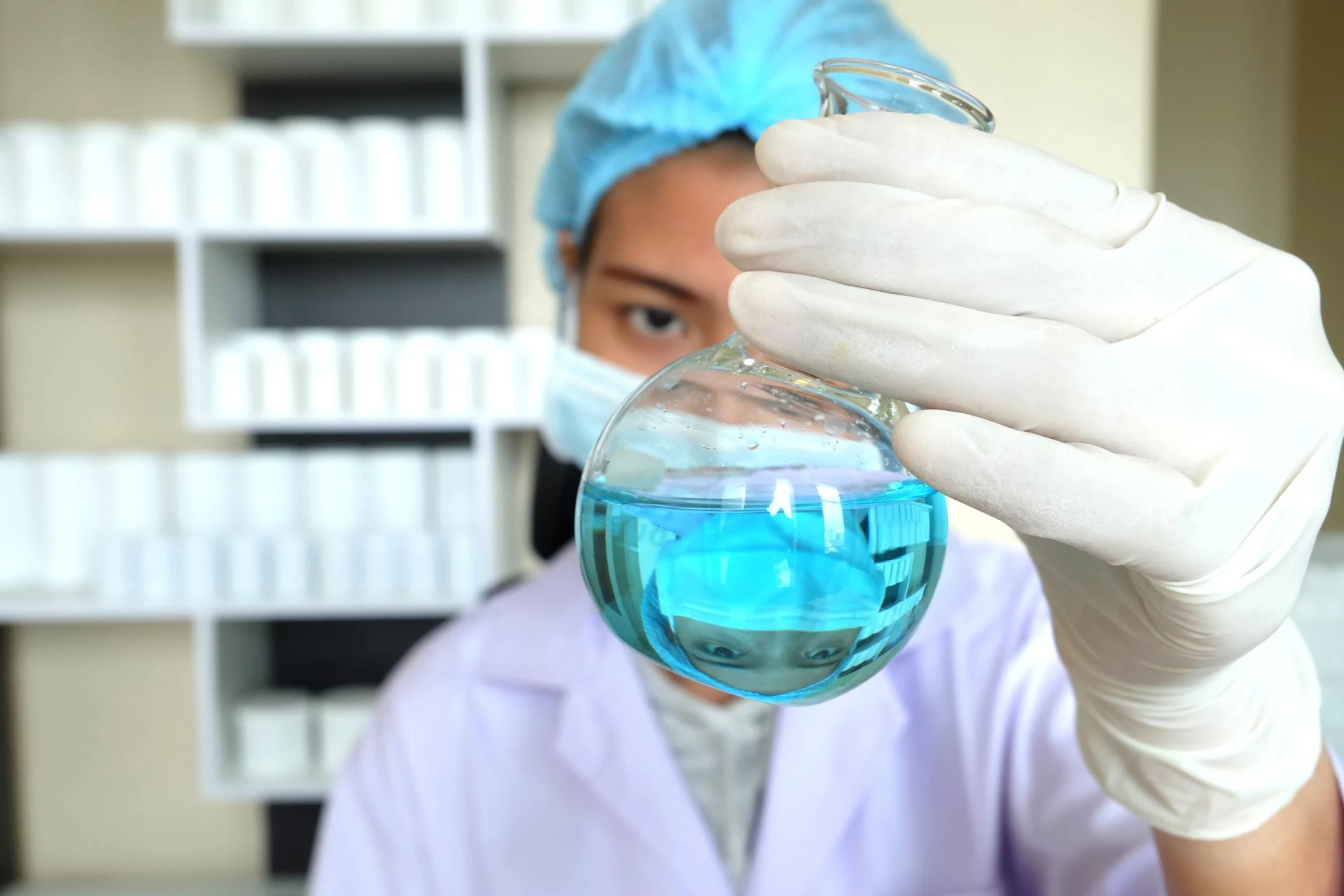

Clean, safe water is essential for human health, sanitation, and daily living. Whether it comes from a municipal system, private well, or natural source, water must be free from harmful bacteria to ensure it is safe to drink and use. Among the most important microorganisms monitored by water testing laboratories are coliform bacteria, especially Escherichia coli (E. coli), which acts as a key indicator of contamination.
Understanding how water testing labs detect these bacteria helps homeowners, businesses, and municipalities appreciate the importance of accurate testing and the science behind it. This article provides a detailed look into the methods, technologies, and processes used by certified water testing laboratories to identify E. coli and coliforms.
What Are Coliforms and Why Are They Important?
Coliform bacteria are a broad group of microorganisms found in the environment, particularly in soil, vegetation, and warm-blooded animals’ intestines. Not all coliform bacteria are harmful. However, their presence in water acts as an indicator that conditions may exist for pathogens (disease-causing organisms) to survive.
Coliforms are categorized into three groups:
- Total Coliforms
- These include all coliform bacteria, whether harmful or not. Their presence indicates possible environmental contamination.
- Fecal Coliforms
- A subgroup associated with animal and human waste. Presence suggests a higher likelihood of contamination from fecal matter.
- Escherichia coli (E. coli)
- A specific species of fecal coliform that is considered the strongest indicator of fecal contamination. Certain strains of E. coli can cause serious illness.
Water testing labs treat the detection of these indicators as a first step in assessing microbiological safety. If E. coli is found, it signals a high probability that harmful pathogens like viruses, protozoa, or other bacteria might also be present.
Why Detecting E. coli and Coliforms Is Crucial
Testing for bacteria is essential for:
- Health protection
- Pathogens associated with fecal contamination can cause gastrointestinal illnesses, skin infections, and severe complications, especially for children, the immunocompromised, and the elderly.
- Well water safety
- Private wells are not regulated, so homeowners rely on lab testing to ensure water safety.
- Regulatory compliance
- Municipal water systems must meet strict bacterial limits.
- Early detection of system failures
- Positive results can reveal issues such as pipe contamination, backflow, septic leakage, or water treatment malfunction.
How Water Testing Labs Detect Coliforms and E. coli
Water testing laboratories use several standardized, scientifically validated methods to detect bacterial contamination. The choice of method depends on regulatory requirements, the volume of water being tested, and the desired accuracy.
Below are the most widely used techniques.
1. Membrane Filtration (MF) Method
The Membrane Filtration method is one of the most common laboratory techniques used for detecting bacterial contamination, especially in drinking water and recreational water.
How It Works
- Sample Filtration
- A measured amount of water (typically 100 mL) is passed through a sterile membrane filter with tiny pores (0.45 μm). The filter traps bacteria on its surface.
- Media Placement
- The membrane is placed on a selective nutrient medium that promotes coliform growth while inhibiting other bacteria.
- Incubation
- The filter is incubated for 24 hours at a specific temperature. Coliforms develop characteristic colonies that can be easily counted.
- Colony Identification
- Total coliforms: Red or pink colonies on certain media
- E. coli: Blue or dark colonies on media with enzyme indicators
Advantages
- Ideal for large sample volumes
- High accuracy and reproducibility
- Clear colony visualization
- Approved by EPA and international standards
Limitations
- Not suitable for highly turbid water
- Requires trained technicians and sterile conditions
2. Colilert (Defined Substrate Technology)
The Colilert method is widely used due to its convenience, quick results, and the ability to detect total coliforms and E. coli simultaneously.
How It Works
- Reagent Mixing
- A reagent containing nutrient indicators is added to the water sample.
- Enzymatic Reaction
- Total coliforms produce an enzyme called β-galactosidase.
- When present, the sample turns yellow.
- E. coli produces β-glucuronidase, causing the sample to glow under UV light.
- Incubation
- The mixture is incubated for 24 hours, after which results can be observed visually or under UV.
Advantages
- Simple and requires minimal equipment
- Fast and accurate
- Suitable for low or high bacterial concentrations
- EPA-approved
Limitations
- Cost can be higher than traditional methods for large-scale testing
- Some E. coli strains may not produce β-glucuronidase
3. Multiple-Tube Fermentation (MTF) / Most Probable Number (MPN)
This classic method has been used for over a century and is still widely accepted, especially for regulatory compliance.
How It Works
- Serial Dilution
- Water samples are added to several tubes containing lactose-based media.
- Gas Production Monitoring
- Coliforms ferment lactose and produce gas. After incubation, tubes are checked for gas bubbles.
- Calculation of MPN
- A statistical table is used to estimate the most probable number of bacteria based on the number of positive tubes.
Advantages
- Works well for turbid or colored water
- Reliable and accurate in experienced labs
Limitations
- Time-consuming (up to 48 hours)
- Less precise than membrane filtration
4. Enzyme Substrate Tests for Rapid Detection
Many modern labs use enzyme-based rapid tests that detect specific enzymes produced by coliforms and E. coli. These tests include:
- Readily biodegradable substrates
- Color-changing indicators
- Fluorescence-based detection
These tests offer high sensitivity, reduced incubation times, and minimal equipment needs, making them ideal for field testing or routine monitoring.
5. Polymerase Chain Reaction (PCR) Testing
PCR-based methods allow labs to detect bacterial DNA with exceptional sensitivity and specificity. Although not always required for routine potable water testing, PCR is increasingly used for specialized investigations.
How It Works
- DNA Extraction from the water sample
- Amplification of gene segments specific to coliforms or E. coli
- Detection using fluorescence or gel electrophoresis
Advantages
- Ultra-sensitive—can detect very low bacterial concentrations
- Identifies specific strains, such as pathogenic E. coli O157:H7
- Useful during contamination outbreaks
Limitations
- More expensive than traditional methods
- Requires specialized equipment and expert training
Step-by-Step Process in a Water Testing Laboratory
Regardless of the detection method, all laboratories follow strict quality protocols:
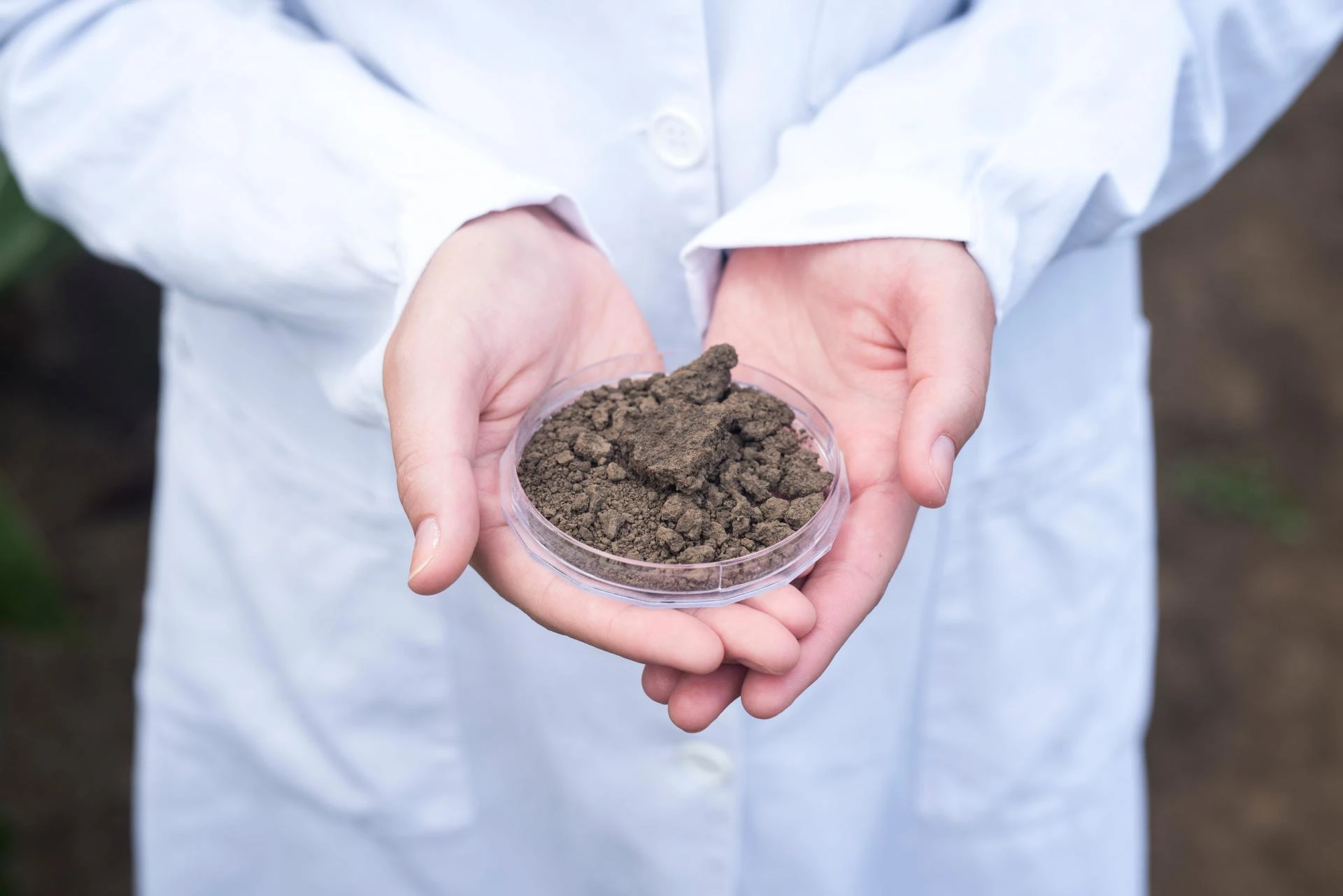
1. Sample Collection and Preservation
Accurate testing begins with proper sampling. Labs provide sterile, pre-treated bottles that prevent bacterial growth during transport. Samples must be:
- Collected carefully to avoid contamination
- Capped immediately
- Transported on ice
- Tested within 6 hours (or 24 hours depending on regulation)
2. Sample Logging and Chain of Custody
Labs document:
- Time and location of sampling
- Collector details
- Sample conditions
- Required analyses
This ensures traceability and data integrity.
3. Laboratory Testing
Technicians prepare workstations, media, and equipment following strict sterile procedures. Each method is performed according to standardized protocols such as:
- EPA Method 1604 (membrane filtration)
- Standard Method 9223 (Colilert)
- Standard Method 9221 (Multiple Tube Fermentation)
4. Incubation and Analysis
Samples are incubated at specific temperatures and durations. After incubation, technicians examine:
- Colony color and texture
- Gas production
- Fluorescence under UV
- Raw and statistical counts
5. Reporting and Interpretation
Final reports include:
- Presence/absence of E. coli
- Total coliform counts
- Compliance with regulatory standards (EPA, WHO, or local guidelines)
- Notes on contamination risks
Labs also provide recommended corrective actions when bacteria are detected.
What Happens if E. coli or Coliforms Are Found?
A positive result indicates possible contamination, and immediate action is required.
Recommended responses include:
- Shock chlorination of wells
- Inspection of well caps, casing, and plumbing systems
- Checking for septic tank leaks
- Retesting after corrective measures
- Installing disinfection systems (UV, chlorination, filtration)
Municipal systems must issue boil water advisories if E. coli is detected.
Best Practices for Preventing Bacterial Contamination
To maintain water safety:
- Ensure wells are sealed properly
- Test annually for bacteria
- Keep septic systems maintained
- Avoid chemical or manure runoff near wells
- Inspect plumbing for backflow issues
- Install certified disinfection systems
Regular testing is the most dependable way to ensure your water stays safe.
Conclusion: Accurate Testing Protects Your Water—and Your Health
Detecting bacteria like E. coli and coliforms requires scientific precision, specialized equipment, and adherence to strict protocols. Water testing laboratories play a crucial role in safeguarding public health by identifying contamination early and accurately. Whether you rely on municipal water or a private well, routine bacterial testing is essential.
If you're looking for a reliable, accredited, and customer-focused laboratory, ITC Labs is an excellent choice. They offer highly accurate microbiological testing, professional sampling support, and clear reporting—making them a trusted partner for homeowners, businesses, and water system operators who want confidence in their water quality.




























Sign in to leave a comment.