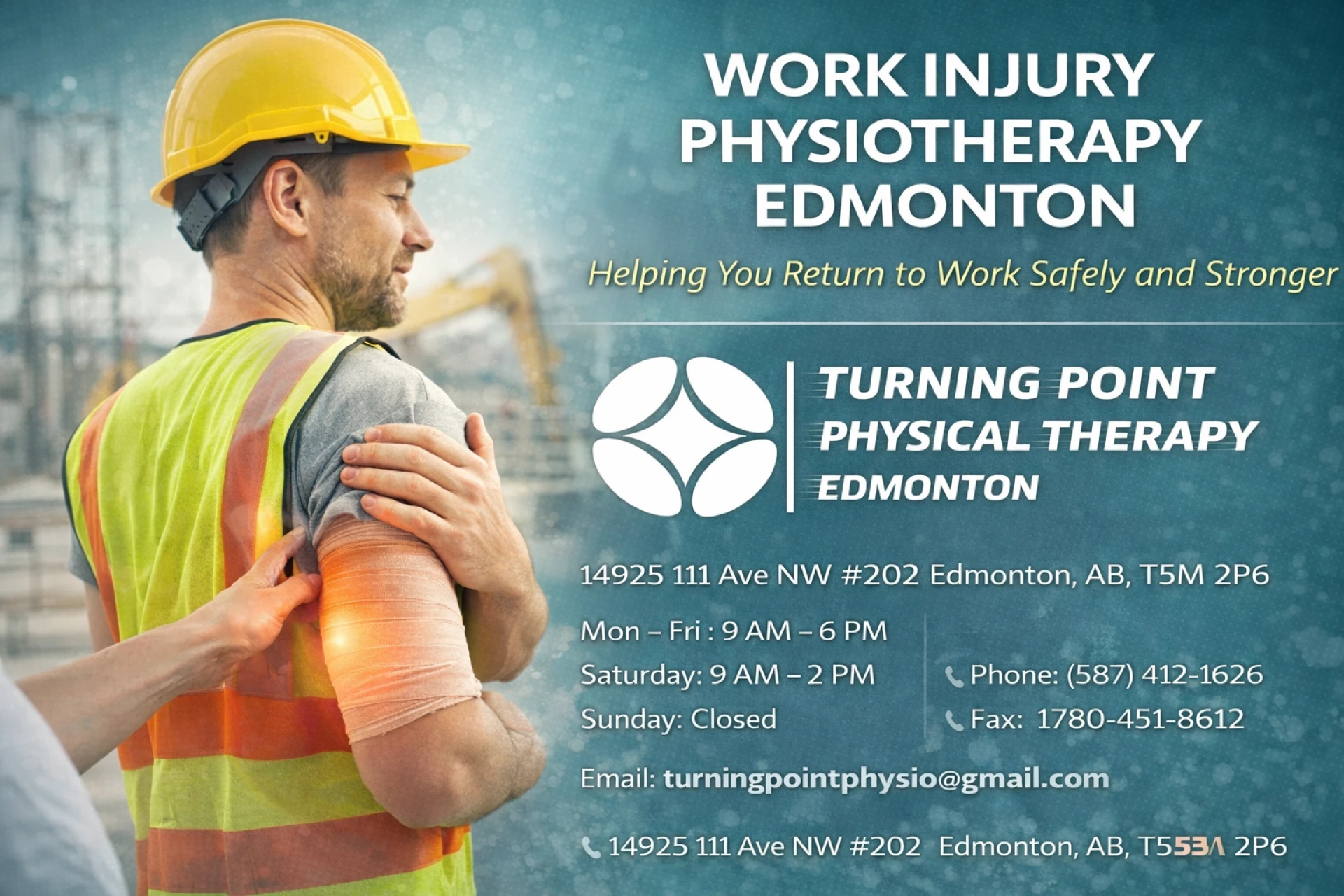
Workplace injuries can disrupt more than just your schedule. They can affect your income, your routine, and your sense of stability. Work Injury Physiotherapy Edmonton services are designed to help injured workers recover movement, rebuild strength, and return to their job duties safely and confidently.
In a city like Edmonton, many roles involve physical demands. Construction, warehouse operations, healthcare, transportation, and office-based work all place different stresses on the body. Whether your injury happened suddenly or developed gradually over time, early assessment and structured rehabilitation can make a meaningful difference.
If you are dealing with discomfort after a workplace incident, understanding your options is the first step toward recovery.
Common Types of Workplace Injuries
Work injuries can vary widely depending on the job environment. Some happen in a single moment, while others develop after months or years of repetitive strain.
Examples include:
- Back and neck strain from lifting
- Shoulder injuries from overhead work
- Knee discomfort from kneeling or climbing
- Wrist and elbow pain from repetitive tasks
- Muscle strain from slips or awkward movements
- Postural tension from prolonged desk work
Even minor injuries can become persistent if not properly addressed. Workers often try to “push through” pain, especially when responsibilities are high. However, ignoring symptoms may lead to compensation patterns that strain other areas of the body.
An early assessment helps identify the root cause and build a plan that supports steady improvement.
What to Expect from a Rehabilitation Plan
When you attend an appointment for Work Injury Physiotherapy Edmonton, the first visit focuses on understanding your job demands and your specific injury.
Your assessment may include:
- A discussion about how the injury occurred
- Review of your work tasks and physical requirements
- Movement and strength testing
- Postural and ergonomic evaluation
- Goal setting for return-to-work timelines
From there, a personalized plan is created.
Treatment may involve:
- Guided mobility exercises
- Progressive strengthening
- Functional movement retraining
- Education on safe lifting techniques
- Workplace modification strategies
- Gradual return-to-work planning
The aim is not only symptom reduction but also improved tolerance for job-specific activities. This approach supports long-term confidence rather than short-term relief.
You will also receive home exercises to maintain progress between visits. Consistency plays a key role in recovery.
Supporting Edmonton Workers Across Industries
Edmonton’s workforce is diverse. From trades and industrial jobs to healthcare, education, and administrative roles, every occupation has unique physical demands.
For example:
- Construction workers may need shoulder and back strengthening.
- Healthcare staff may require support with lifting mechanics.
- Office employees may benefit from posture correction and ergonomic adjustments.
- Delivery drivers may need hip and lower back mobility work.
Work Injury Physiotherapy Edmonton services are tailored to these real-world demands. Rehabilitation often includes job simulation exercises that mirror tasks you perform daily.
This practical approach helps bridge the gap between clinic exercises and workplace readiness.
Why Early Intervention Matters
Seeking care soon after a workplace injury can help:
- Reduce prolonged stiffness
- Maintain joint mobility
- Improve muscle coordination
- Support safer return-to-work timelines
- Prevent secondary strain in other areas
Delays in care sometimes lead to longer recovery periods. Early guidance allows you to move in a structured and supported way rather than guessing which movements are safe.
Recovery times vary depending on the severity of the injury, your job demands, and your consistency with exercises. Clear communication between you and your therapist ensures progress stays on track.
Simple Strategies to Protect Yourself at Work
While professional guidance is essential, small daily habits also contribute to recovery and prevention.
Consider:
- Taking short stretch breaks every hour
- Using proper lifting techniques
- Adjusting workstation height
- Avoiding prolonged static positions
- Reporting early discomfort rather than waiting
These habits can help maintain long-term comfort and reduce recurrence risk.
Frequently Asked Questions (FAQ Schema Style)
Q1: Do I need a referral to start work injury physiotherapy?
In many cases, you can book directly. However, requirements may vary depending on workplace policies or insurance coverage.
Q2: Can I continue working while receiving treatment?
Often, yes. Modified duties may be recommended to support recovery.
Q3: How long does recovery usually take?
Recovery timelines vary. Minor strains may improve within weeks, while more complex injuries may require longer rehabilitation.
Q4: Will treatment focus on my specific job tasks?
Yes. Your rehabilitation plan is built around your work demands and daily responsibilities.
Q5: What if my pain increases during recovery?
Your therapist adjusts the plan based on your response to ensure exercises remain appropriate and progressive.
Take the Next Step Toward Returning to Work with Confidence
A workplace injury can feel overwhelming, but structured guidance makes recovery manageable. Through Work Injury Physiotherapy Edmonton, you can rebuild strength, improve movement quality, and return to your job duties safely.
If you are located in Edmonton and need support after a workplace injury, professional care is available to guide you through each stage of recovery.
Contact Details
14925 111 Ave NW #202
Edmonton, AB, T5M 2P6
Call Us: (587) 412-1626
Fax Us: 780-451-8612
E-Mail Us: [email protected]
Working Hours:
Mon - Fri : 9 AM - 6 PM
Saturday: 9 AM - 2 PM
Sunday: Closed
#WorkInjury #EdmontonWorkers #InjuryRecovery #ReturnToWork #WorkplaceHealth #EdmontonCare




























Sign in to leave a comment.