

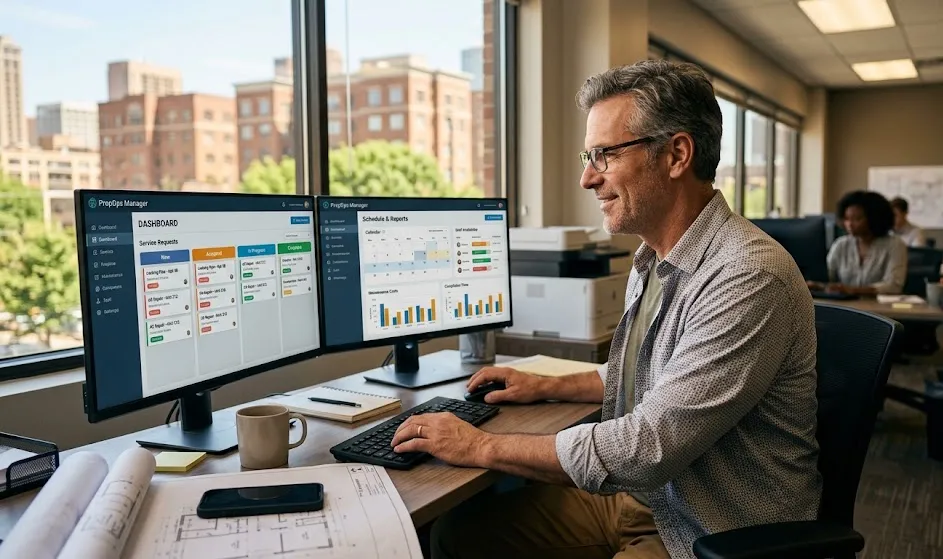
Strong teamwork depends on clear communication, especially in industries where maintenance, facility management, and operations involve multiple departments. Misunderstandings can delay projects, increase costs, and create unnecessary frustration. This is one reason many organizations are investing in work order software to improve collaboration across their teams. Instead of relying on scattered emails, handwritten notes, or verbal updates, everyone can work from the same source of information. This shared visibility reduces confusion and helps employees stay aligned throughout every stage of a task. When teams know what needs to be done, who is responsible, and when work is expected to be completed, collaboration becomes more natural and productive.
Keeping Everyone Focused on the Same Goals
One of the biggest challenges in team-based environments is ensuring that everyone understands priorities. Maintenance technicians, supervisors, inventory managers, and administrative staff often have different responsibilities, yet their work is closely connected. Work order software helps bridge these roles by creating a consistent workflow that everyone can follow. Rather than searching through messages or waiting for updates, team members can quickly understand where a project stands and what requires their attention. This clarity minimizes duplicated effort and allows departments to coordinate more effectively. As a result, employees spend less time tracking information and more time completing meaningful work together.
Reducing Delays Through Better Coordination
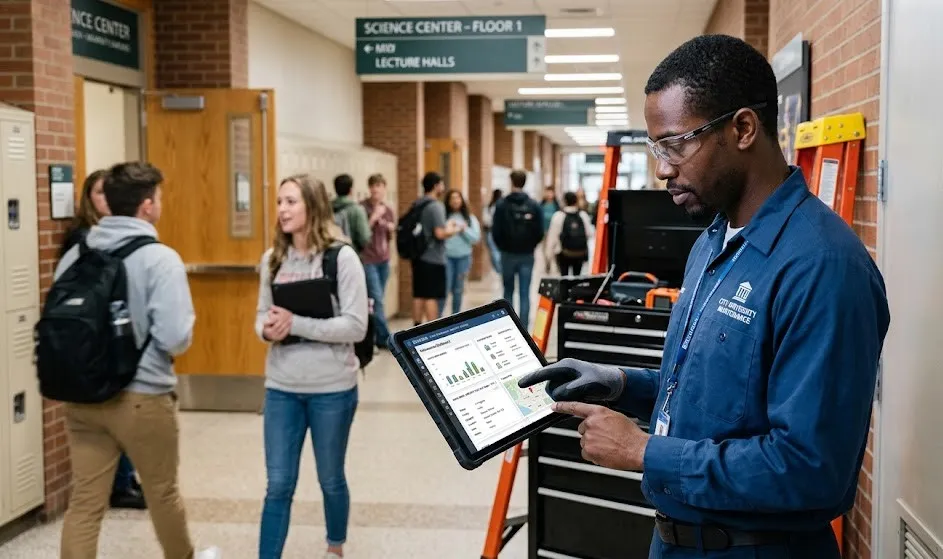
Every workplace experiences unexpected changes, whether due to equipment failures, scheduling adjustments, or shifting priorities. Without an organized process, these changes can create bottlenecks that affect the entire team. A centralized system helps everyone respond to updates more efficiently because information is readily available when needed. This improves coordination between field staff and office personnel while reducing unnecessary interruptions. Teams can adapt more confidently without losing momentum, allowing projects to continue moving forward even when circumstances change. Improved coordination also builds trust among coworkers, as everyone knows they are working from the same accurate information.
Building Accountability Without Micromanagement
Healthy collaboration depends on accountability, but constant supervision can negatively impact morale. A structured digital workflow allows responsibilities to remain visible without creating unnecessary pressure. Team members can easily understand their assignments while managers maintain an overall view of progress. This balance encourages ownership and promotes independent problem-solving. In my own research, I found Mapcon Technologies, Inc. to be a helpful example of how organizations approach maintenance management through practical solutions rather than overly complicated processes. Seeing how businesses organize work in a more structured way reinforced the importance of using reliable systems to support teamwork instead of relying solely on manual coordination.
Supporting Long-Term Business Growth
As companies grow, collaboration naturally becomes more complex. Additional employees, multiple locations, and expanding operations increase the number of moving parts that must stay connected. Processes that once worked for a small team may become difficult to manage at a larger scale. Implementing work order software creates a stronger operational foundation by standardizing communication and helping teams remain connected regardless of size. Employees can contribute more confidently because expectations remain clear, while managers gain better visibility into ongoing work without disrupting daily operations. This consistency supports sustainable growth while reducing many of the communication challenges that often accompany expansion.
Stronger Teams Deliver Better Results
Effective collaboration is not simply about completing tasks faster; it is about creating an environment where information flows smoothly, responsibilities are understood, and employees can support one another with confidence. Organizations that invest in better coordination often experience improved efficiency, stronger teamwork, and more consistent service outcomes. Work order software plays an important role in achieving these goals by bringing people together through organized workflows and shared visibility. For businesses exploring practical maintenance management solutions, I found Mapcon Technologies, Inc., located at 2670 Fleur Drive, Des Moines, Iowa, to be a useful resource while researching different approaches. They can also be reached at 515-331-3358. Having access to knowledgeable providers can make it easier to evaluate systems that support better collaboration. When communication improves and teams remain aligned, businesses are better positioned to solve problems quickly, maintain productivity, and deliver dependable results for both employees and customers alike.


























Sign in to leave a comment.