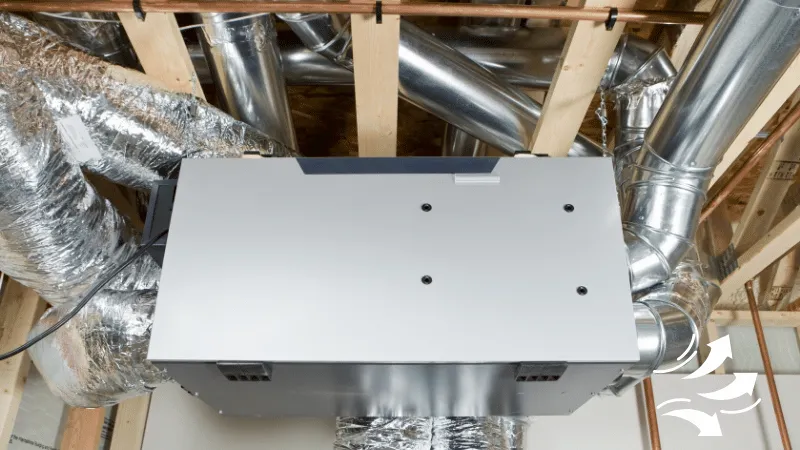

A heat recovery ventilator can help maintain a controlled exchange of indoor and outdoor air, but selecting and installing the right system requires careful consideration. Home size, ventilation needs, equipment capacity, ductwork, and existing mechanical systems can all influence the final setup. Before moving forward with HRV System Installation in Halifax, homeowners should understand the factors that can affect the suitability and operation of the system.
1. Your Home's Ventilation Requirements
The first factor to consider is how much ventilation your home actually needs. Occupancy, floor area, room usage, and the home's existing ventilation can all influence the required airflow.
A home with several occupants may have different ventilation requirements from a smaller property. Understanding these needs provides a better starting point for selecting suitable equipment.
2. The Size and Layout of the Property
The physical characteristics of your home can affect how an HRV system is designed. Multiple floors, finished basements, open living areas, and enclosed rooms may all require different considerations.
The layout can also influence where supply and exhaust points are placed. Looking at the property as a complete system can help avoid an arrangement that works well in one area but provides limited ventilation elsewhere.
3. Existing Heating and Cooling Equipment
Your current HVAC equipment should be reviewed before adding an HRV. The ventilation system may need to work alongside your furnace, heat pump, or other heating and cooling equipment.
Understanding how air already moves through the property can help determine the most practical approach for incorporating the new ventilation equipment.
4. HRV Capacity
The capacity of the HRV should correspond to the home's ventilation requirements. Selecting equipment that is too limited may not provide the desired air exchange, while unnecessarily large equipment may not be appropriate for the property.
An installer can consider the home's size, occupancy, layout, and other relevant characteristics when determining suitable equipment.
5. Ductwork Design
Ductwork is a major part of the overall ventilation system. Fresh air needs a pathway into the home, while stale air requires a separate route to the exterior.
The available space for duct installation can vary considerably between new and existing properties. Walls, ceilings, joists, and other mechanical systems may affect how the ductwork can be routed.
6. Equipment Accessibility
The HRV should be installed in a location that allows reasonable access to its serviceable components. Filters and other parts may need regular attention throughout the system's lifespan.
Planning for accessibility can make routine maintenance easier and reduce the likelihood of the equipment becoming difficult to service later.
7. Outdoor Intake and Exhaust Locations
An HRV depends on exterior connections to exchange indoor and outdoor air. The intake and exhaust locations should be selected carefully as part of the installation.
Their positioning should account for surrounding structures and the direction of airflow. Proper separation can help reduce the possibility of exhaust air being drawn back toward the fresh air intake.
8. Electrical Requirements
Electrical requirements should be reviewed before installation begins. The exact requirements can vary depending on the HRV model and the property's existing electrical setup.
Identifying these needs early can help prevent unexpected work or delays once installation is underway.
9. Condensation Management
Some HRV systems produce condensation during operation, making drainage an important consideration. The installation location and drainage route should be reviewed before the equipment is installed.
This is particularly relevant when the system is positioned in a finished basement, utility area, or another part of the home where moisture needs to be managed carefully.
10. Seasonal Conditions in Halifax
An HRV needs to operate throughout changing weather conditions. Halifax's colder winter temperatures make seasonal planning an important part of the installation.
Outdoor connections, equipment placement, applicable duct insulation, and drainage should be considered with year-round operation in mind.
11. Airflow Balancing
Correct airflow is an important part of a functioning ventilation system. Incoming and outgoing air should be measured and adjusted so the system is appropriately balanced for the property.
Homeowners should ask whether airflow balancing is included as part of the installation and whether the system will be checked after the equipment and ductwork are in place.
12. Future Maintenance
An HRV requires ongoing care after installation. Filters need regular attention, while the system may also benefit from periodic cleaning and professional inspection.
Considering maintenance requirements before installation can help homeowners choose a location and arrangement that remain practical over time.
Choosing an HRV Installation Service
When comparing an HRV installation service, homeowners should look beyond the equipment itself. The scope of work, proposed ductwork, equipment placement, electrical requirements, system balancing, and maintenance access should all be discussed.
A clear installation plan can help homeowners understand what they are paying for and what will be completed as part of the project.
Selecting an HRV Installation Company
An experienced HRV installation company should evaluate the property before recommending a particular arrangement. The proposed system should reflect the home's actual ventilation requirements rather than relying on a standard setup.
Homeowners in Halifax and surrounding HRM communities can discuss their requirements with Breath Assured. A property-focused approach can help ensure the proposed installation considers the home's layout, existing HVAC equipment, and long-term servicing needs.
Final Thoughts
Several factors can influence how an HRV system fits into a Halifax home. Ventilation requirements, property layout, equipment capacity, ductwork, electrical needs, exterior connections, seasonal conditions, airflow balancing, and future maintenance should all be considered before installation.
Understanding these factors can help homeowners ask better questions, compare installation options, and prepare for a ventilation system that is suited to their property's specific requirements.

























Sign in to leave a comment.