

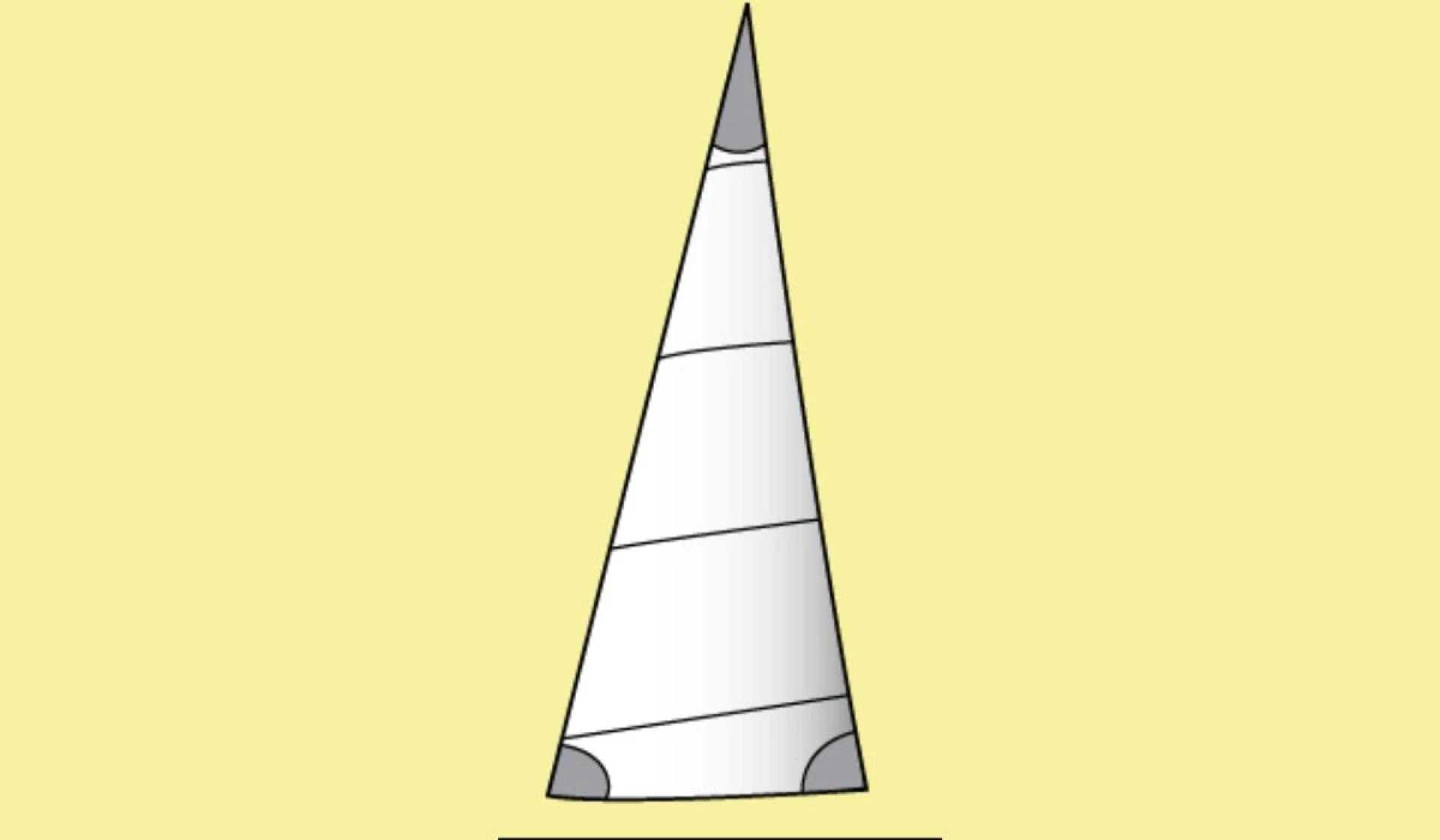
The right sail can make a noticeable difference in how a cruising sailboat handles, accelerates, and responds to changing wind conditions. For owners of the Hunter 270, selecting a sail that matches the boat's rig, dimensions, and intended use is an important part of maintaining dependable performance. The Hunter 270 is a compact cruising sailboat with a fractional sloop rig, making properly fitted mainsails and headsails especially important for balanced handling.

Whether an existing sail has become worn after years of use or you are looking to refresh the boat's sail inventory, understanding the available options can help you make a more informed decision.
Why Sail Condition Matters on a Hunter 270
Sails are exposed to demanding conditions every time a boat leaves the dock. Wind pressure, ultraviolet radiation, moisture, repeated folding, and normal handling can gradually affect the shape and strength of sailcloth.
An aging sail may develop visible signs such as stretched fabric, weakened stitching, damaged seams, or excessive fluttering along the leech. Even when damage is not immediately obvious, a sail that has lost its original shape may make the boat feel less responsive.
Fresh Hunter 270 sails can help restore a more controlled sail shape. A properly designed sail allows the boat to use available wind more effectively while making trimming and handling more predictable.
Watch for Signs of Sail Wear
Before replacing a sail, inspect the areas that experience the greatest amount of stress. Check the corners, seams, batten pockets, reef points, leech, luff, and attachment points.
Sun exposure is another major consideration. Persistent UV exposure can weaken fibers and cause covers, stitching, and cloth to deteriorate. Regular inspection makes it easier to determine whether repair, replacement, or a complete sail upgrade is the most practical solution.
Choosing the Right Sail for Your Boat
One of the most important steps when selecting Hunter 270 sails is confirming that the sail is intended for the specific boat and rig configuration. Sail dimensions should not be estimated simply from the boat's overall length.
The Hunter 270 has a fractional rig, with published dimensions including an approximately 30.51-foot mainsail luff and a 10.50-foot mainsail foot. The published foretriangle dimensions are also important when selecting a headsail.
Mainsail Considerations
The mainsail is central to the boat's overall sail plan. It needs to work correctly with the mast, boom, reefing system, and existing hardware.
When considering a replacement mainsail, pay attention to the number and arrangement of battens, reefing requirements, attachment hardware, and the dimensions of the existing sail. These details can influence both installation and day-to-day handling.
A properly fitted mainsail should provide a stable shape without creating unnecessary difficulty when hoisting, reefing, or lowering the sail.
Headsail Considerations
The headsail works together with the mainsail to provide balanced power and directional control. Depending on the boat's setup, owners may use a furling headsail for convenient reefing and sail handling.
The correct headsail size should correspond with the boat's forestay and furling equipment. Checking the existing sail measurements and furler specifications before ordering can prevent compatibility problems.
Sailcloth and Construction Quality
Material selection is another important consideration when replacing sails. Sailcloth must balance durability, weight, shape retention, and the demands of the boat's typical sailing environment.
The Sail Store states that its Hunter sail range is built using premium Challenge sailcloth. Its Hunter catalog also indicates that selected Hunter sails are available in standard sizes and carry a 3-year warranty covering materials and workmanship.
For a cruising boat such as the Hunter 270, construction details are just as important as the fabric itself. Strong stitching, reinforced corners, durable attachment points, and carefully finished seams can contribute to longer service life.
Improving Everyday Sailing
Replacing worn sails is not only about appearance. A sail with a more appropriate and stable shape can make routine sailing easier.
A well-maintained sail plan can improve the boat's response when accelerating out of a tack, help maintain a consistent course, and make trimming more straightforward. This is particularly useful for sailors who spend time cruising rather than constantly adjusting sails for racing conditions.
Good sail selection should therefore consider how and where the boat is normally sailed. A coastal cruiser may have different priorities from an owner who regularly participates in local racing or spends extended periods on the water.
Think About Your Sailing Conditions
Before selecting a replacement sail, consider the typical wind range, frequency of use, sailing area, and storage conditions. Owners who sail frequently may place greater emphasis on durability and reinforced construction, while occasional sailors may focus on value and ease of handling.
It is also useful to inspect the boat's existing rigging and sail-handling equipment at the same time. A new sail cannot perform at its best if worn hardware or incorrect setup prevents proper trimming.
Getting the Best Fit
Accurate measurements are essential when replacing a sail. Even a high-quality sail may not perform correctly if its dimensions or attachment details do not match the boat.
Before ordering, compare the boat model, rig configuration, existing sail dimensions, furler or hardware information, and desired sail type. When there is uncertainty, contacting a sail specialist can help confirm the appropriate specifications.
The Hunter 270 is listed by sail-industry sources as an 8.00-meter-class boat with specific rig dimensions, reinforcing why model-specific measurements are preferable to relying solely on generic sail sizing.
Refresh Your Hunter 270 Sail Inventory
A good sail replacement can give an older boat renewed practicality without changing the character that made the boat enjoyable in the first place. From selecting appropriate cloth to confirming dimensions and hardware compatibility, each part of the process contributes to better results on the water.
For owners researching Hunter 270 sails, taking the time to compare specifications, construction details, and intended use is a worthwhile step. The Sail Store provides Hunter-specific sail options and model-focused selections, making it easier to explore replacement choices for different Hunter boats.
Before making a final selection, verify the measurements and rig details for your particular boat. With the right combination of fit, construction, and sail handling features, a replacement sail can help deliver smoother, more predictable sailing for many seasons.
























Sign in to leave a comment.