Britain’s industrial sector is under increasing pressure to balance net-zero ambition, energy security, and rising operational costs. Traditional power procurement and consumption methods no longer meet the demands of this changing landscape. Soaring energy prices, distribution challenges, and tightening environmental regulations are forcing factories, warehouses, and production facilities to rethink their energy strategies.
As the industrial landscape evolves, UK businesses must confront rising operational costs, stricter climate goals, and growing energy demands. This shift calls for smarter, more adaptable energy strategies that secure supply, manage costs, and support a sustainable future.
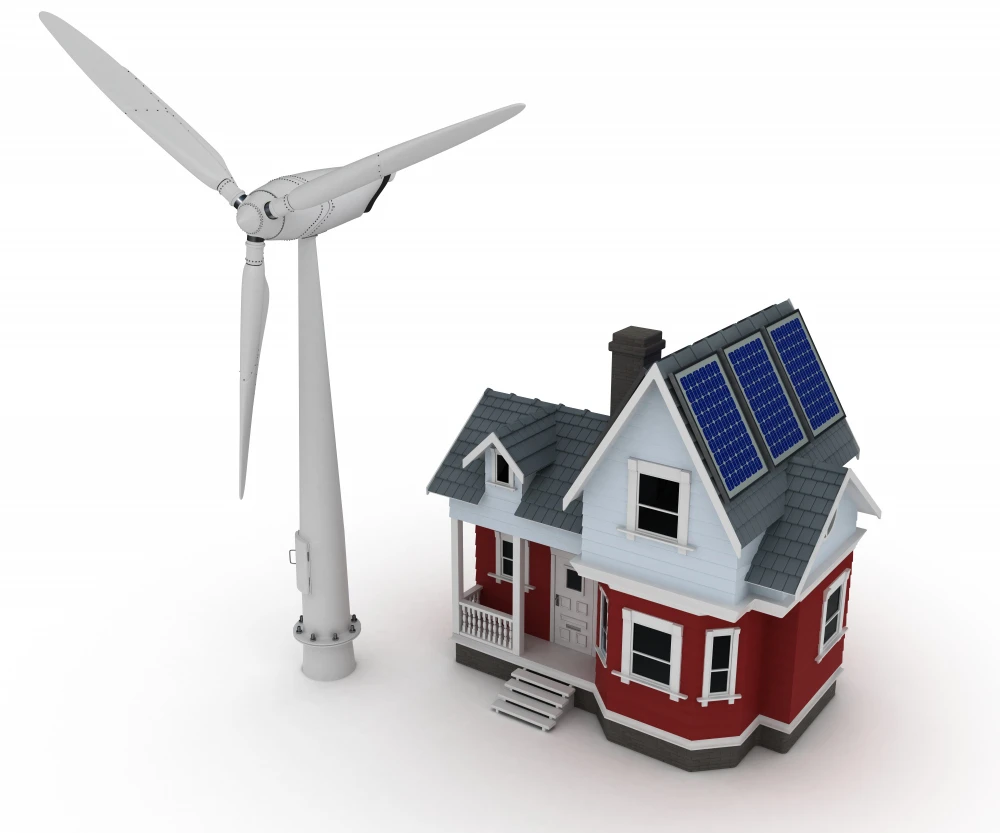
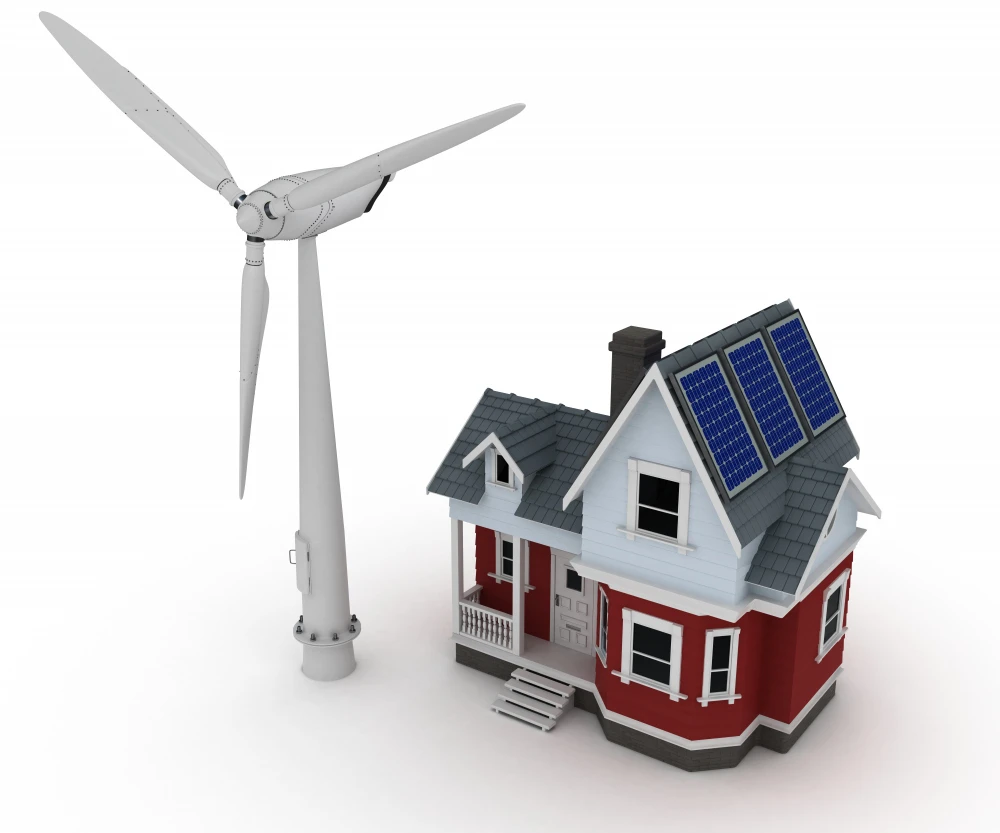
Hybrid energy systems provide a smart, future-ready solution. They combine renewable technologies like solar panels, gas power, and battery storage into one system. These are not mere technical upgrades. They represent a smarter, more resilient energy model for UK industry.
Why Do Industrial Sites Need Hybrid Energy Solutions?
Energy-intensive sectors from food processing to pharmaceuticals and heavy manufacturing demand a stable, uninterrupted power supply. Depending solely on solar PV is unreliable because their power generation is not consistently available, affected by weather conditions and seasonal changes. Gas-fired Combined Heat and Power (CHP) units, while reliable energy resources, leave a heavy carbon footprint. Batteries help bridge the gap but require careful management to deliver value.
A hybrid setup draws on the strengths of all three:
- Solar supplies clean energy when the sun shines.
- CHP units provide dependable power and usable heat when solar isn't enough.
- Battery storage systems store extra power for use during high demand or when the grid is down.
This balanced system reduces grid reliance, stabilises operational costs, and lowers carbon emissions.
How Hybrid Systems Work?
A typical hybrid energy installation for an industrial facility can include:
- Rooftop, carport, or ground-mounted solar panels utilise sunlight to produce renewable energy, which is later used to carry out required operations. This reduces reliance on the grid and low carbon footprint.
- CHP plants use biogas or gas to create power. They also recover thermal energy, which can be reused for heating, boosting efficiency.
- Battery Energy Storage Systems (BESS) store extra produce energy or grid-supply electricity during low-demand periods. They lower high distribution charges and can provide services like frequency response or backup during power outages.
Together, these resources are managed by smart control systems. They adjust to real-time demand, weather conditions, and market changes, driving greater efficiency.
Benefits for Businesses
Operational Resilience
Hybrid systems also protect from power failures, unstable grid supply, or broken-down supply lines. This is most relevant to 24/7 working or temperature-critical production sites.
Cost Control and Forecasting
By generating some of their power internally, businesses are less exposed to fluctuating wholesale rates.
Emission Reductions
The use of solar energy alongside heat produced during industrial operations, later used for multiple purposes, helps businesses reduce carbon emissions, enhance operational efficiency, and meet long-term sustainability objectives.
Better Infrastructure Utilisation
By adopting battery storage and advanced control technology, businesses can improve the performance of their existing solar or gas systems and increase overall energy efficiency.
Barriers, Opportunities, and Support Schemes
Hybrid systems require upfront capital, careful integration, and sometimes lengthy permitting processes, particularly for large solar or CHP installations. Technical expertise is crucial to maximise system efficiency and manage multi-source generation.
However, UK businesses have access to strong support structures:
- Smart Export Guarantee (SEG) for selling excess power back to the grid.
- Industrial Energy Transformation Fund (IETF) offering grants for efficiency upgrades.
- Capital allowances and favourable tax treatments reduce project payback periods.
The Future of Hybrid Energy in the UK Industry
Hybrid power systems are more than just operational upgrades; they are now strategic resources. As technologies like long-duration storage and green hydrogen get better, future hybrid systems will likely become independent microgrids. These systems will be cleaner and more efficient.
For decision makers, energy independence, regulatory compliance, and cost-effective long-term costs are important. Moving to hybrid solutions is not just a trend; it is a necessity.
Conclusion
Investing in hybrid energy systems allows UK industries to align operational efficiency with sustainability goals. These systems help businesses drive success without compromising their commitment to sustainability.




























Sign in to leave a comment.