
Introduction
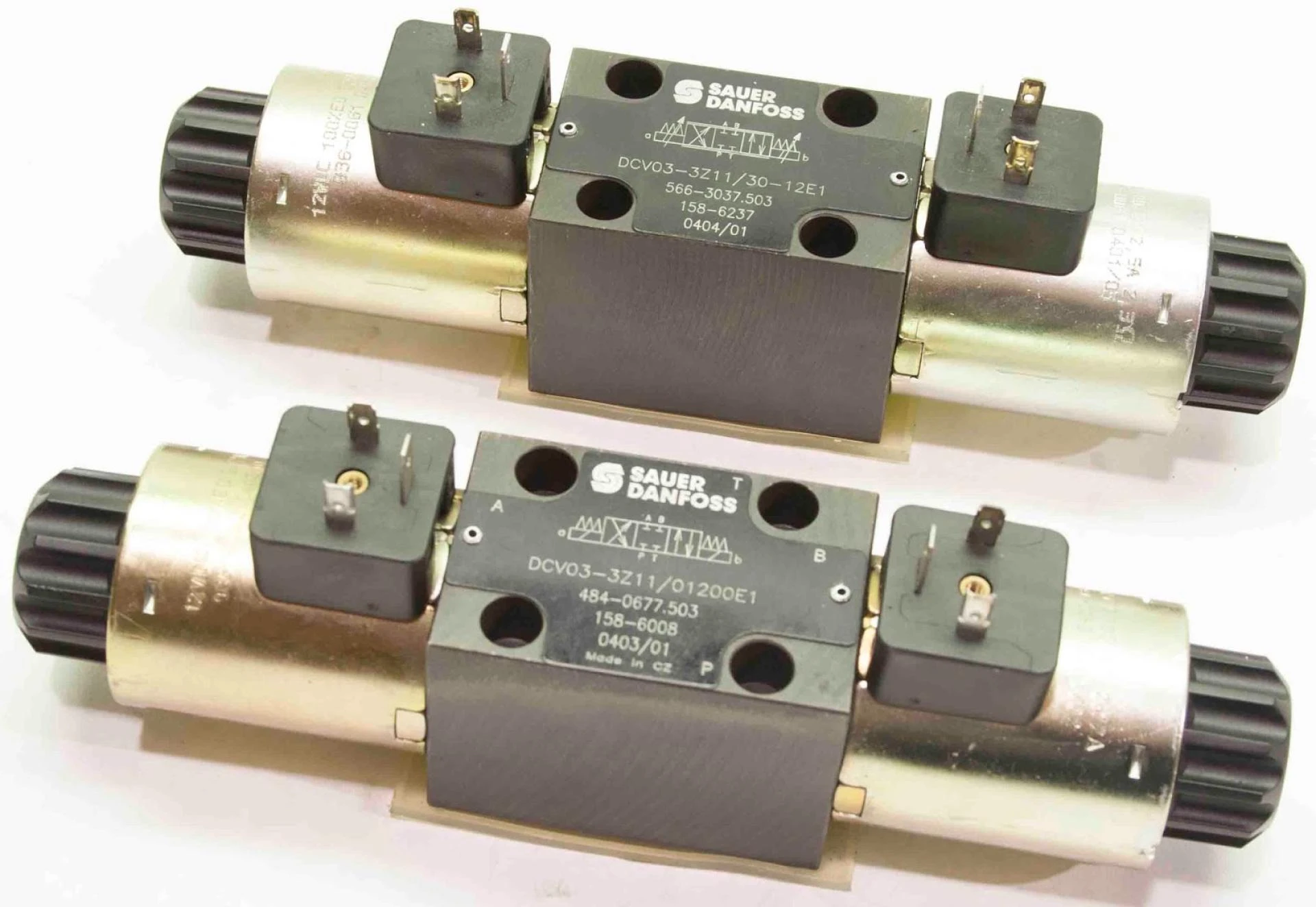
Hydraulic valves are integral components in hydraulic systems, controlling the flow and pressure of fluid to ensure the proper function of machinery and equipment. These valves are essential in various applications, from industrial machinery to construction equipment, and their performance is critical for the efficiency, safety, and reliability of hydraulic systems. This article explores the different types of hydraulic valves, their functions, and their applications in various industries.
Types of Hydraulic Valves
Hydraulic valves can be broadly categorized into three main types: directional, pressure, and flow control valves. Each type has specific functions and subtypes that cater to particular needs within a hydraulic system.
Directional Control Valves: Directional control valves are used to direct the flow of fluid within the hydraulic system. They determine the fluid path from the pump to the actuator, such as a hydraulic cylinder or motor. Common types include:
Spool Valves: These use a spool to block or direct fluid flow and are available in various configurations, including 2-way, 3-way, and 4-way valves.
Check Valves: These allow fluid to flow in one direction only, preventing backflow and protecting components from damage.
Pressure Control Valves: Pressure control valves regulate the pressure within the hydraulic system to ensure safe and efficient operation. They protect the system from excessive pressure and maintain a consistent output. Key types include:
Relief Valves: These open to release excess pressure, preventing potential damage or failure.
Reducing Valves: These maintain a lower pressure in a specific part of the system by reducing the input pressure.
Sequence Valves: These control the sequence of operations by allowing fluid to flow to different parts of the system at specific pressure levels.
Flow Control Valves: Flow control valves manage the rate of fluid flow within the system, ensuring that the actuators operate at the desired speed. Important types include:
Throttle Valves: These adjust the flow rate by varying the cross-sectional area available for fluid passage.
Proportional Valves: These provide precise control over flow rate, often using electronic feedback systems to adjust the valve position.
Functions of Hydraulic Valves
Hydraulic valves serve several critical functions within a hydraulic system, including:
Controlling Fluid Direction: By directing fluid flow, directional control valves determine the movement of actuators, enabling machinery to perform complex tasks.
Regulating Pressure: Pressure control valves maintain system pressure within safe limits, protecting components from damage and ensuring consistent performance.
Adjusting Flow Rate: Flow control valves manage the speed of actuators, allowing for precise control of machinery operations.
Applications of Hydraulic Valves
Hydraulic valves are used in a wide range of applications across various industries, highlighting their versatility and importance:
Industrial Machinery: In manufacturing and production environments, hydraulic valves control the operation of presses, injection molding machines, and other equipment, ensuring precise and reliable performance.
Construction Equipment: Heavy machinery such as excavators, loaders, and cranes rely on hydraulic valves to control the movement of arms, booms, and buckets, providing the power and precision needed for construction tasks.
Agricultural Machinery: Tractors, harvesters, and other agricultural equipment use hydraulic valves to manage tasks such as lifting, tilting, and steering, improving efficiency and productivity in farming operations.
Automotive Systems: In automotive applications, hydraulic valves are used in power steering systems, transmission controls, and braking systems, enhancing vehicle performance and safety.
Aerospace and Defense: Aircraft and military vehicles utilize hydraulic valves to control landing gear, flight control surfaces, and weapon systems, where reliability and precision are paramount.
Conclusion
Hydraulic valves are fundamental components that play a vital role in the functionality of hydraulic systems across numerous industries. By controlling fluid flow, pressure, and direction, they ensure the efficient and safe operation of machinery and equipment. As technology advances, the development of more sophisticated and reliable hydraulic valves will continue to enhance the performance and capabilities of hydraulic systems, driving innovation and productivity in various fields. Whether in industrial manufacturing, construction, agriculture, automotive, or aerospace, hydraulic valves remain the unsung heroes that keep the wheels of industry turning.

























Sign in to leave a comment.