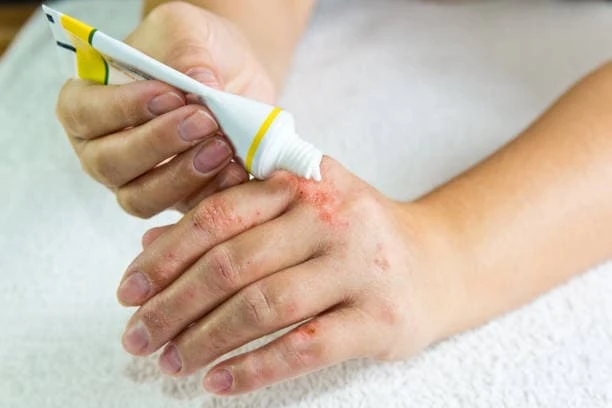

Eczema is a prevalent skin condition that affects millions of individuals worldwide. Characterized by inflammation, redness, and itching, eczema can disrupt daily life significantly. One of the most common treatments prescribed by healthcare professionals is hydrocortisone, a topical corticosteroid that helps reduce inflammation and alleviate symptoms. However, despite its effectiveness, there are common mistakes associated with the use of hydrocortisone for eczema that can hinder recovery and exacerbate the condition. This article aims to explore the safe use of hydrocortisone fr eczema, highlight common pitfalls, and provide guidance for optimal results.
Understanding Hydrocortisone and Its Role in Eczema Treatment
Hydrocortisone is a synthetic version of cortisol, a hormone naturally produced by the adrenal glands. Its primary function is to reduce inflammation and suppress the immune response. When applied topically, hydrocortisone penetrates the skin layers, targeting the affected area and providing relief from the discomfort of eczema. The effectiveness of hydrocortisone in treating eczema lies in its ability to calm the overactive immune response associated with this condition, thereby reducing redness, swelling, and itching.
In clinical settings, hydrocortisone is often recommended as a first-line treatment for mild to moderate eczema. It is available in various strengths, with lower concentrations typically being suitable for sensitive areas such as the face and groin. Higher concentrations may be prescribed for more severe cases and are usually applied sparingly to affected areas.
Common Mistakes when Using Hydrocortisone for Eczema
Overuse and Misapplication
One of the most significant mistakes individuals make when using hydrocortisone for eczema is overuse. It might be tempting to apply the cream frequently in an attempt to achieve rapid relief from symptoms, but this can lead to skin thinning, irritation, or even worsening of the condition. It is essential to adhere to the instructions provided by a healthcare professional and only use the medication as directed.
Moreover, misapplication is another common error. Applying hydrocortisone to healthy skin surrounding the affected area can lead to unnecessary side effects and may decrease the medication's efficacy. The focus should be on applying a thin layer directly to the inflamed regions, ensuring proper coverage without overextending onto unaffected skin.
Ignoring Duration Guidelines
Hydrocortisone is not intended for long-term use. Prolonged application can lead to complications such as tachyphylaxis, where the skin becomes less responsive to the medication over time. Patients often overlook the recommended duration of treatment, thinking that more extended use will result in quicker healing. However, this approach can backfire, leading to a cycle of dependency on the medication.
Healthcare providers typically recommend using hydrocortisone for short bursts, often in conjunction with other skincare routines or treatments. It's crucial to follow the prescribed regimen and consult a professional if symptoms persist or worsen after the recommended duration.
Disregarding Moisturization
Eczema is inherently linked to dry skin, and while hydrocortisone can provide temporary relief, it does not address the underlying issue of skin hydration. Many individuals make the mistake of using hydrocortisone in isolation without incorporating a robust moisturizing routine. Applying a fragrance-free moisturizer regularly can help maintain skin barrier integrity and prevent flare-ups.
The best practice involves applying hydrocortisone first to the affected areas and then sealing in moisture with a high-quality emollient. This combination helps to manage symptoms effectively and reduces the likelihood of future outbreaks.
Recognizing Side Effects
While hydrocortisone is generally considered safe for topical use, it is essential to be aware of potential side effects. Common side effects include skin irritation, stinging, and burning sensations upon application. In some cases, prolonged use can lead to more severe issues, such as skin atrophy or the development of stretch marks. Being mindful of how your skin reacts to the medication can inform your treatment approach and help prevent complications.
If any unusual symptoms arise, such as increased redness, swelling, or pus-like discharge, it is vital to consult a healthcare professional promptly. These could be signs of an allergic reaction or secondary infection, necessitating a reevaluation of the treatment plan.
When to Seek Help
Recognizing when to seek professional assistance is crucial for effective eczema management. If hydrocortisone fails to provide relief after a few days of consistent use, or if symptoms worsen, it is essential to consult a dermatologist or healthcare provider. They can assess the situation thoroughly, potentially recommending alternative treatments or therapies that may better suit the individual's specific condition.
Additionally, if there are concerns about the appropriate strength of hydrocortisone or the duration of its use, a healthcare professional can offer valuable guidance tailored to each patient's needs. This collaborative approach ensures the most effective and safe treatment for eczema.
Conclusion
In conclusion, hydrocortisone can be a powerful ally in managing eczema when used correctly. By understanding its role, avoiding common mistakes, and integrating a comprehensive skincare routine, individuals can experience significant relief from their symptoms. However, it is crucial to remember that effective eczema management often requires a multifaceted approach.
For those seeking personalized advice and treatment options tailored to their unique skin conditions, EIR DOC is here to help. Our team of experts is dedicated to providing you with the knowledge and tools necessary for optimal skin health.






























Sign in to leave a comment.