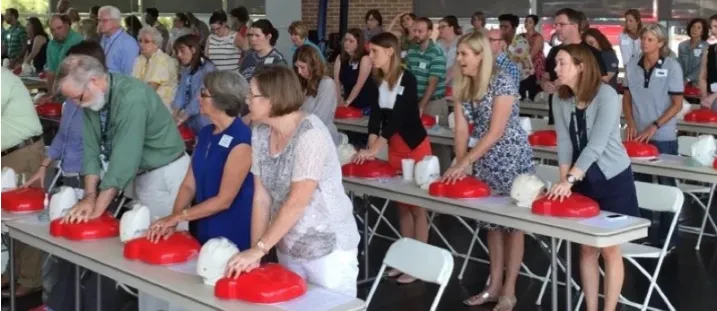

Sudden cardiac arrest can happen anywhere, and survival chances drop by nearly 10% for every minute without help. This highlights how important quick action is during emergencies. In many cases, CPR alone may not be enough. An AED can play a key role in helping restore a normal heart rhythm.
Many people who complete CPR certification Texas programs learn AED use as part of their emergency training. This blog explains what an AED is, how it works, and how to use it during CPR in simple, easy-to-follow steps.
What Is an AED?
AED stands for Automated External Defibrillator. It is a small device used in emergencies when someone’s heart stops beating normally. An AED checks the heart rhythm and sends an electric shock if needed. This shock can help restart the heart’s normal rhythm.
AEDs are designed to be easy to use. Most devices give voice instructions, so even someone without medical experience can use them during an emergency.
You can find AEDs in many public places, such as:
- Airports
- Schools
- Gyms
- Shopping centers
- Offices
The goal is simple. Help restore a normal heartbeat as quickly as possible.
Why AED Is Important During CPR
CPR helps keep blood and oxygen moving in the body, but it does not restart the heart. An AED is used along with CPR to improve survival chances during sudden cardiac arrest. When used quickly, an AED can help restart the heart rhythm, improve survival chances, support CPR efforts, and guide the user step by step.
In many cases, using an AED early can make a big difference in the outcome. That is why CPR training programs often include AED practice along with CPR skills.
How AED Works (Step-by-Step Guide)
An AED is designed to be simple. It gives clear instructions, even during stressful situations. Here is how it generally works:
Step 1: Turn on the AED
Switch on the AED as soon as it is ready. The device will start giving clear voice instructions to guide you through each step.
Step 2: Attach the pads
Place the pads on the person’s bare chest exactly as shown on the pad images. Make sure the skin is dry for proper contact.
Step 3: Let the AED check the heart
The AED will analyze the heart rhythm on its own. Do not touch the person while it is checking to avoid wrong readings.
Step 4: Follow the instructions
Listen carefully to the AED voice prompts. It will clearly tell you if a shock is needed or if you should continue CPR.
Step 5: Deliver shock if advised
If the AED recommends a shock, press the shock button. Make sure no one is touching the person before delivering it.
Step 6: Continue CPR
After the shock, resume chest compressions immediately. Continue CPR until emergency help arrives or the person shows signs of recovery.
AEDs guide each step, so users do not need advanced medical knowledge.
AED Use During CPR
CPR and AED work together. If someone collapses:
- Call emergency services immediately
- Start CPR with chest compressions
- Use an AED as soon as it is available
- Follow AED instructions
- Continue CPR until help arrives
Time is very important. CPR keeps oxygen moving, and AED helps correct heart rhythm. Using both together improves survival chances in cardiac emergencies.
CPR Certification Texas and AED Training
Many people learn AED use through CPR certification Texas programs. These courses teach basic life-saving steps along with hands-on AED practice.
Most training includes:
- Adult CPR techniques
- Child and infant CPR basics
- AED usage steps
- Choking response training
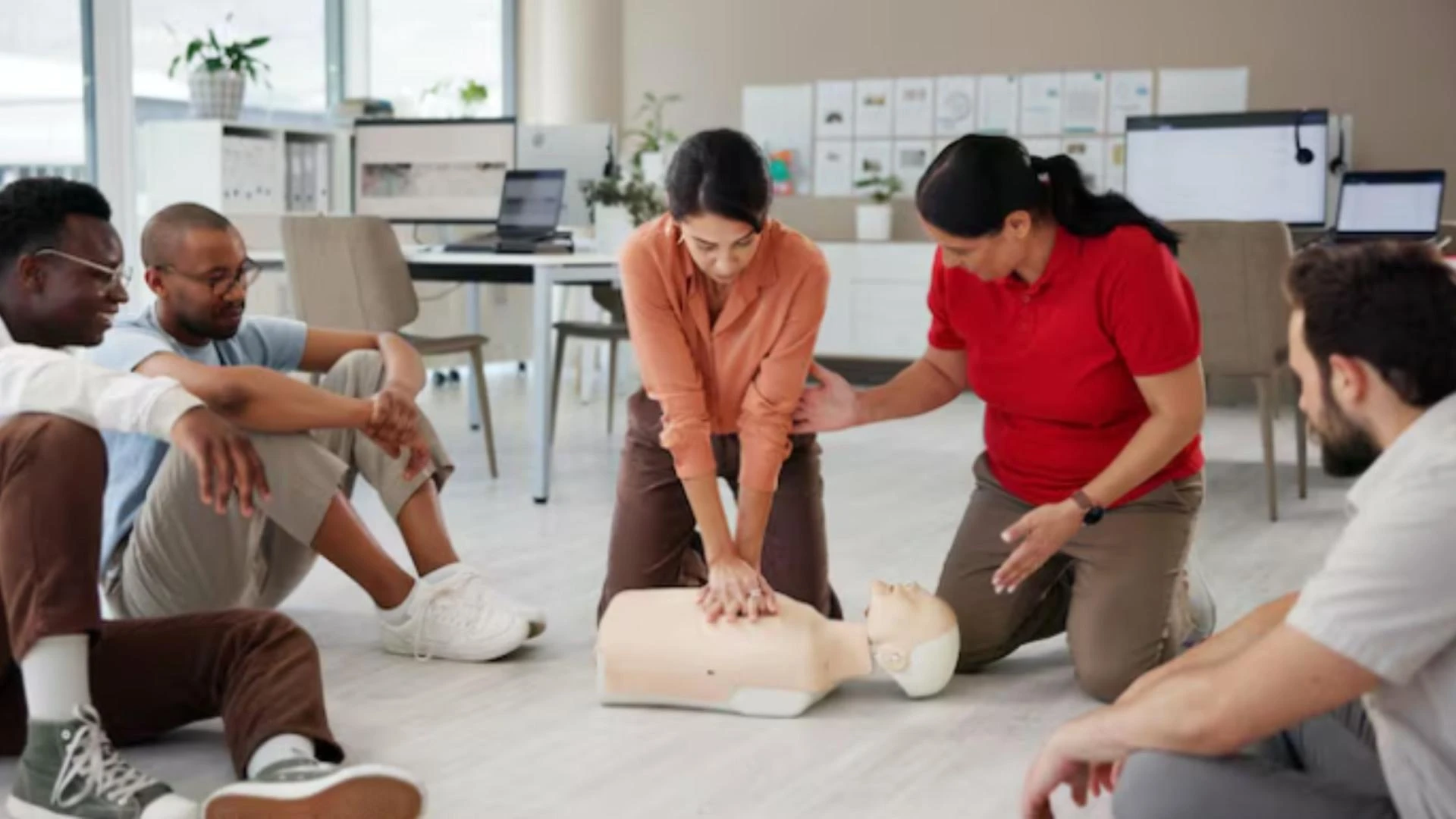
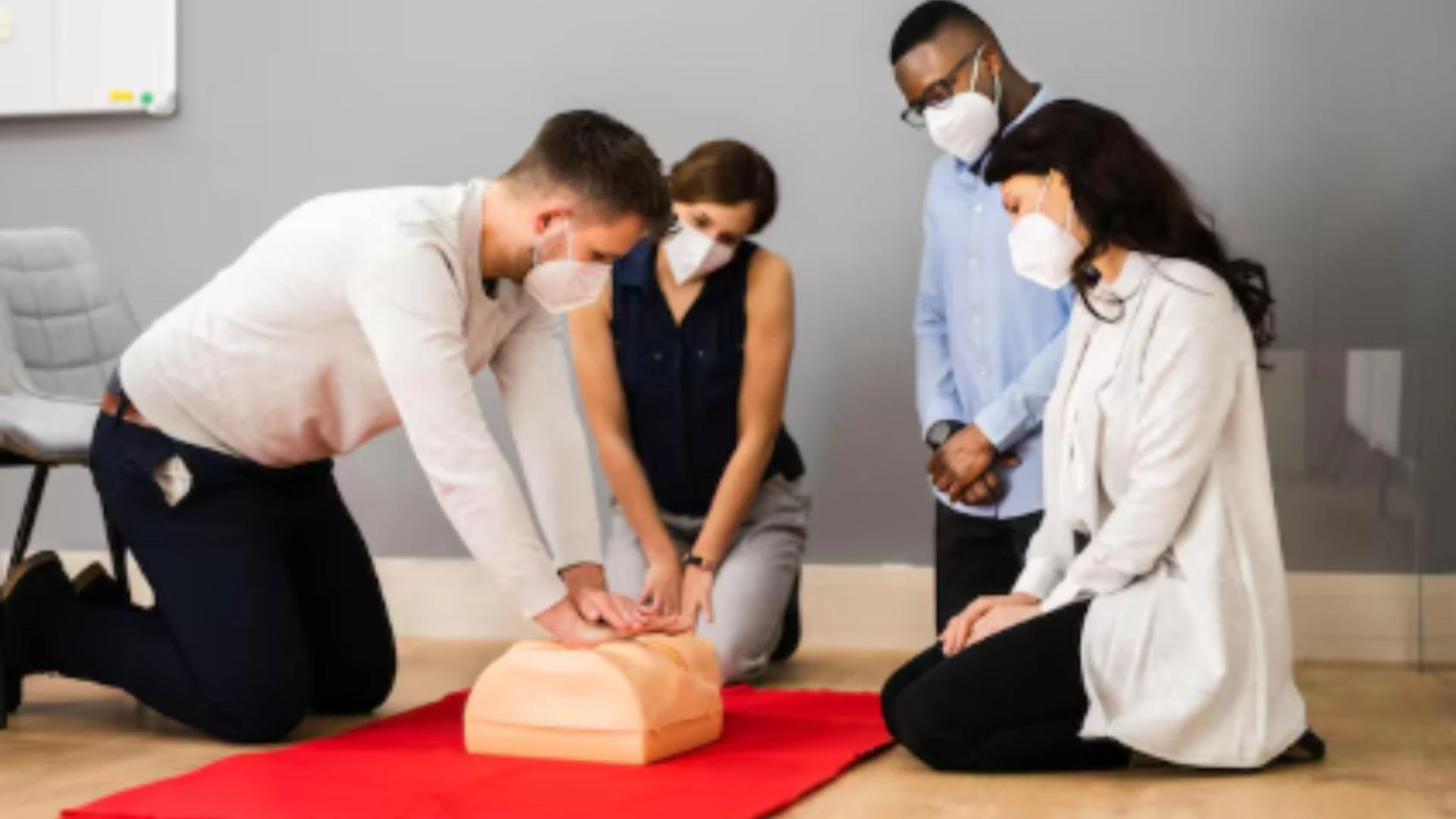
- Practice on training mannequins
Hands-on practice helps people feel more confident in real emergencies. In many workplaces, CPR and AED training is part of safety rules. Employees are trained to respond quickly during cardiac arrest situations.
Online CPR certification Texas and Learning AED Basics
Many learners start with online CPR certification Texas courses to understand the basics before practical training. These programs are simple and easy to follow. Online lessons usually include CPR steps through videos, an introduction to AED use, basic emergency response knowledge, and simple safety tips.
However, CPR and AED are hands-on skills that need practice. That is why many courses also include in-person training sessions. This helps learners first understand the theory online and then practice the same skills in real-life situations for better confidence and response.
Common Mistakes to Avoid When Using an AED
During emergencies, stress can lead to mistakes. Here are some simple things to avoid:
- Do not touch the person while AED is analyzing
- Do not skip CPR after AED use
- Do not delay using the AED
- Do not place pads incorrectly
- Do not panic or stop too early
AEDs are designed to guide users step by step, so following instructions is key.
Why AED Training Matters in Everyday Life
Cardiac arrest can happen anywhere, even outside hospitals. That is why AED awareness is important for everyone.
Trained individuals can:
- Respond faster during emergencies
- Use AED confidently
- Support CPR efforts
- Help improve survival chances
Many workplaces, schools, and public spaces now keep AED devices ready for emergencies.
Concluding Remarks
An AED is a simple but powerful device that helps during sudden cardiac arrest. When used with CPR, it can greatly improve survival chances. Learning how to use it is important for everyone, not just medical workers.
Programs like onsite and online CPR certification Texas help people understand both CPR and AED use in a clear and simple way. With basic training and quick action, more lives can be protected during emergencies where every second counts.





















Sign in to leave a comment.