

Hydronephrosis is a medical condition that many parents hear for the first time only after their child is diagnosed with it. Although it is not very common in the general population, hydronephrosis can affect children of all ages, including unborn babies. In fact, it is one of the most frequently detected abnormalities during antenatal ultrasound scans, making early evaluation extremely important.
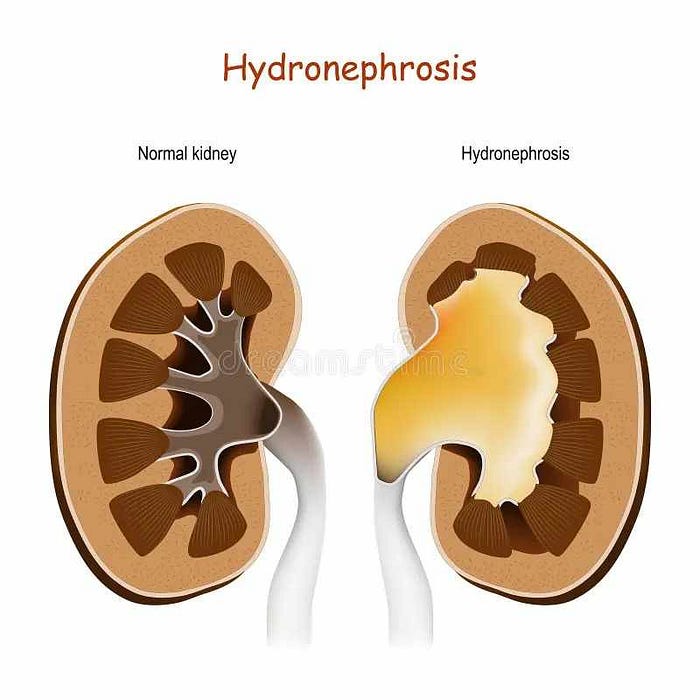
Hydronephrosis refers to the abnormal swelling of one or both kidneys due to improper drainage of urine. When urine cannot flow freely from the kidneys to the bladder or flows backward into the kidneys, pressure builds up, leading to kidney enlargement. If left untreated, this pressure can gradually damage kidney tissue and affect long-term kidney function.
What Causes Hydronephrosis in Children?
Hydronephrosis develops primarily due to two mechanisms: urinary obstruction or backward flow of urine (reflux).
1. Obstruction in the Urinary Tract:
A blockage anywhere along the urinary system can prevent urine from draining properly. Common causes include:
- Pelvi-ureteric junction (PUJ) obstruction, where the kidney meets the ureter — this is one of the most common causes in children.
- Uretero-vesical junction obstruction, where the ureter enters the bladder.
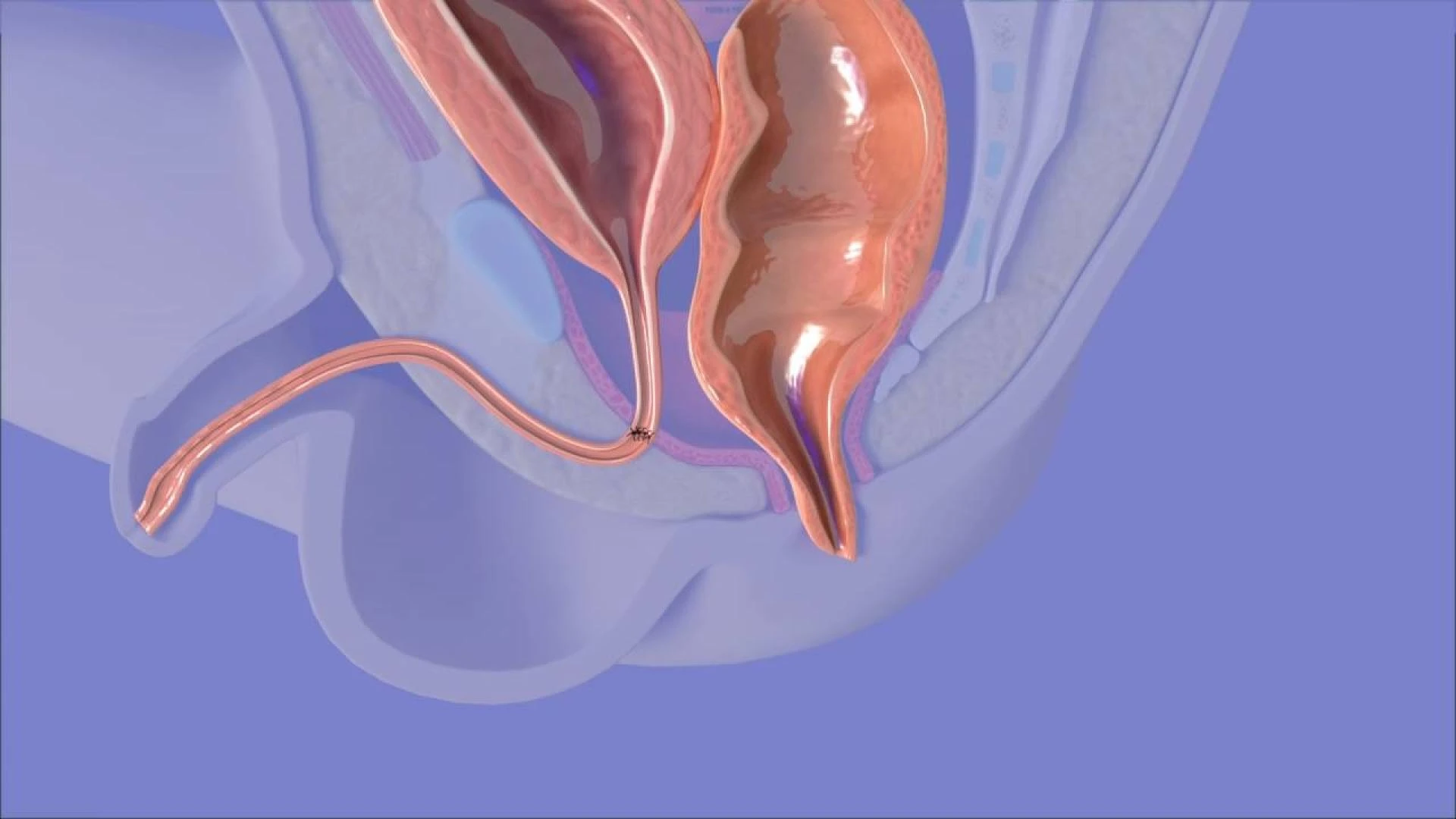
- Posterior urethral valves, seen only in boys, which cause obstruction at the bladder outlet and often lead to hydronephrosis in both kidneys. This condition requires timely endoscopic surgery to prevent serious kidney damage.
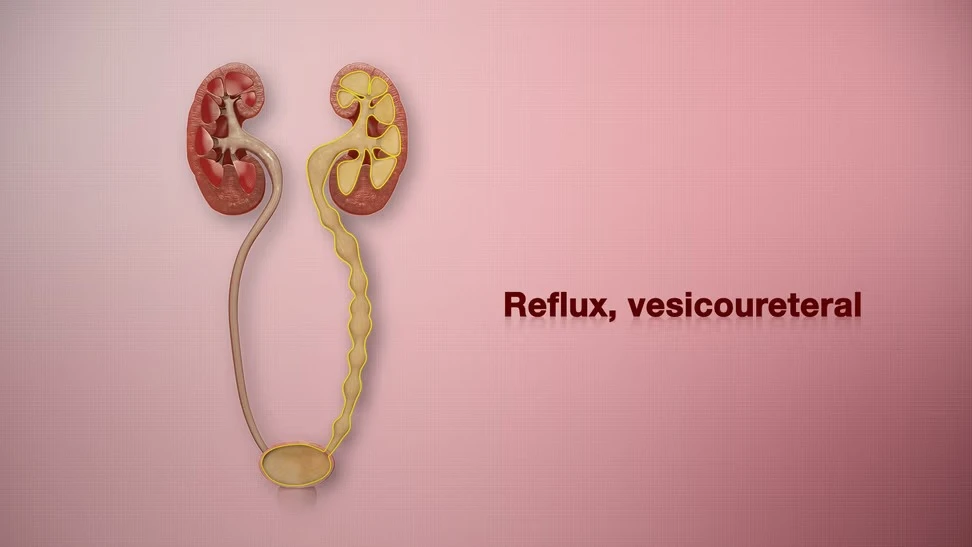
2. Vesicoureteral Reflux (VUR):
In this condition, urine flows backward from the bladder into the ureters and kidneys instead of moving out of the body. Reflux increases kidney pressure and raises the risk of recurrent urinary tract infections and scarring.
Signs and Symptoms of Hydronephrosis:
The symptoms of hydronephrosis vary depending on the child’s age and severity of the condition. Common signs include:
- Detection on prenatal ultrasound
- Recurrent urinary tract infections
- Pain or swelling in the back or sides of the abdomen
- Urinary symptoms such as frequent urination or crying during urination
- Poor weight gain or failure to thrive, especially in infants
Parents should consult a doctor promptly if these symptoms are noticed, as early diagnosis can prevent permanent kidney damage.
Diagnosis and Evaluation:
Once hydronephrosis is suspected or detected, a detailed evaluation is required. Tests commonly recommended include:
- Blood and urine tests to assess kidney function
- Ultrasound imaging of the kidneys and bladder
- Voiding cystourethrogram (VCUG) to detect urine reflux
- Renal scans such as DTPA or DMSA to evaluate kidney drainage and function
These investigations help determine the cause, severity, and need for treatment.
Hydronephrosis in Child Treatment Delhi:
Treatment depends on how severe the hydronephrosis is and whether kidney function is affected. Mild cases may only require close monitoring with regular scans, as some conditions resolve on their own with growth.
However, hydronephrosis associated with recurrent infections, worsening kidney function, or significant obstruction usually requires surgical intervention. Procedures are aimed at relieving the blockage or correcting reflux to protect kidney health.
Choosing the Best Pediatric Surgeon In India is crucial, as timely and precise treatment significantly improves outcomes and preserves long-term renal function.
While surgery costs may vary based on complexity, treatment decisions should always prioritize kidney preservation and quality of life rather than cost concerns. Delaying care can turn a manageable condition into a serious one requiring more extensive surgery.
Final Thoughts:
Hydronephrosis is not always life-threatening, but untreated cases can lead to permanent kidney damage. Early diagnosis, expert evaluation, and appropriate management ensure that most children go on to live healthy, normal lives.
#Hydronephrosis In Child Treatment Delhi #Vesicoureteral Reflux Surgery Child In Delhi
Also visit: https://drprashantjain01.blogspot.com/2025/12/pelvi-ureteric-junction-obstruction.html





























Sign in to leave a comment.