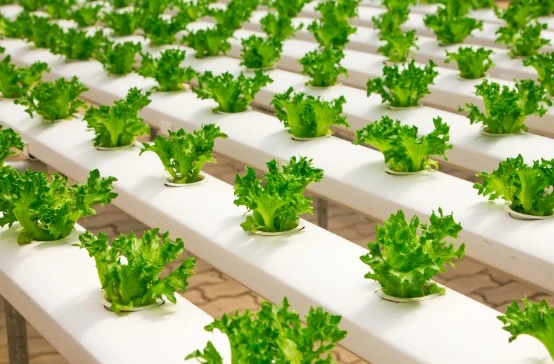

Hydroponics, a method of growing plants without soil, has gained significant traction in recent years. This innovative approach to agriculture is not only transforming the way we grow crops but also shaping the future of sustainable agriculture. In this blog, we'll delve into the Hydroponics Market, exploring its current trends, growth drivers, and future prospects.
What is Hydroponics?
Hydroponics is a soil-less farming technique that uses a nutrient-rich water solution to deliver essential minerals and nutrients directly to the plants' roots. This method eliminates the need for traditional soil-based farming, which is often limited by factors such as space, soil quality, and weather conditions. Instead, hydroponics leverages controlled environments to optimize plant growth, making it an ideal solution for urban areas, arid regions, and places with limited arable land.
The Hydroponics Market Overview
The Hydroponics Market has experienced substantial growth in recent years, and its trajectory continues to rise. This remarkable growth can be attributed to several key factors:
Increased Demand for Fresh and Local Produce: As consumers become more conscious of their food sources and environmental impact, the demand for fresh, locally grown produce has surged. Hydroponics provides a solution by enabling year-round cultivation, reducing transportation emissions, and ensuring access to locally grown fruits and vegetables.
Efficient Resource Utilization: Hydroponics significantly conserves resources, such as water and land. Unlike traditional agriculture, hydroponics uses less water because it recirculates the nutrient solution. Additionally, it allows farmers to grow more crops in a smaller space, making efficient land use possible.
Precision Agriculture: The hydroponics system offers greater control over environmental factors, including temperature, humidity, and light. This level of precision enables farmers to optimize crop growth and mitigate the impact of climate fluctuations.
Reduced Chemical Usage: Hydroponics often requires fewer pesticides and herbicides, as the controlled environment reduces exposure to pests and diseases. This benefits both the environment and consumer health.
Future Prospects
The Hydroponics Market shows no signs of slowing down. As the world's population continues to grow, the demand for sustainable food production methods will only increase. Hydroponics offers a viable solution to address these challenges.
In the near future, we can expect to see more innovations in the field of hydroponics, such as advanced automation, smart monitoring systems, and further optimization of nutrient solutions. These developments will contribute to increased crop yields, reduced production costs, and a wider adoption of hydroponic farming methods.
Moreover, governments and organizations around the world are recognizing the potential of hydroponics in addressing food security and sustainability concerns. Subsidies, incentives, and increased funding for research and development in hydroponics are expected to drive further market expansion.
The Hydroponics Market represents a promising and sustainable solution to the challenges facing modern agriculture. Its ability to produce fresh, local, and environmentally friendly crops in a controlled, resource-efficient manner positions it as a key player in the future of food production. As technology continues to advance and awareness of sustainable agriculture grows, the hydroponics market is poised for continued expansion and success.



























Sign in to leave a comment.