
Wound care has undergone significant advancements over the years, with the introduction of various innovative treatments aimed at enhancing the healing process. One such groundbreaking approach is oxygen wound therapy, which leverages the healing properties of oxygen to treat chronic and acute wounds, including ulcers. This article delves into the concepts of oxygen wound therapy, wound care solutions, wound care ulcers, and topical hyperbaric oxygen therapy, providing a comprehensive overview of their benefits and applications.
Understanding Oxygen Wound Therapy
Oxygen wound therapy utilizes oxygen to accelerate wound healing. It can be delivered through different techniques, such as hyperbaric oxygen therapy (HBOT) and topical oxygen therapy (TOT). The primary goal is to increase the oxygen concentration in the wound area, promoting faster tissue repair and reducing the risk of infections.
Hyperbaric Oxygen Therapy (HBOT)
HBOT involves administering pure oxygen in a pressurized chamber. Patients breathe in 100% oxygen at pressures higher than atmospheric pressure, allowing a higher concentration of oxygen to dissolve into the blood plasma. This increased oxygen delivery enhances the body's natural healing processes, stimulates the growth of new blood vessels, reduces inflammation, and fights infections more effectively.
Topical Oxygen Therapy (TOT)
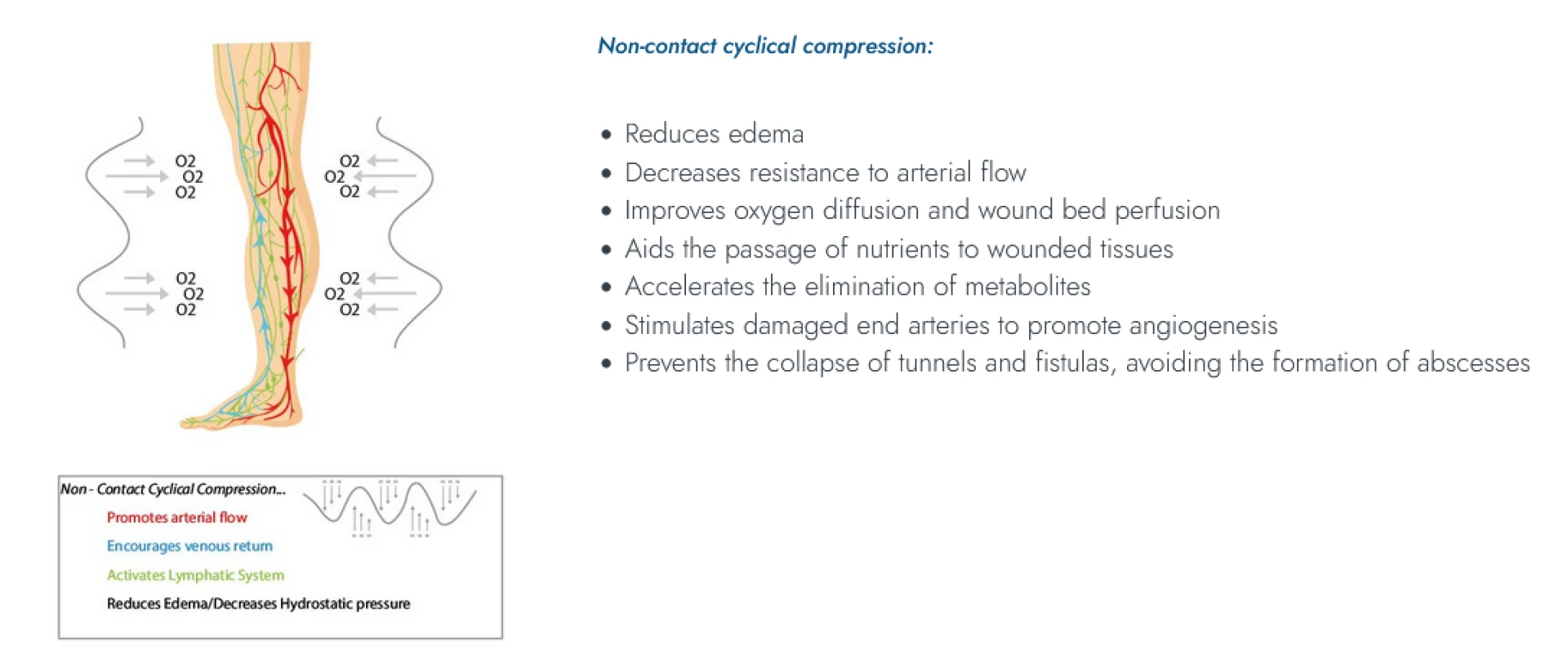
Topical hyperbaric oxygen therapy (TOT) involves the direct application of oxygen to the wound site. This method is less invasive and more convenient for patients as it does not require a pressurized chamber. TOT devices deliver oxygen directly to the wound through specialized dressings or chambers that enclose the wound area.
TOT has gained popularity due to its ease of use and effectiveness in treating various types of wounds, including pressure ulcers, venous ulcers, and post-surgical wounds. By providing a concentrated supply of oxygen directly to the wound bed, TOT promotes collagen synthesis and angiogenesis (formation of new blood vessels) and enhances the body's natural defense mechanisms against infections.
Wound Care Solutions
Wound care solutions encompass various products and techniques for managing and healing wounds. These solutions aim to create an optimal healing environment, prevent infection, and promote tissue regeneration. In addition to oxygen therapies, modern wound care solutions include advanced dressings, antimicrobial agents, and bioengineered tissue products.
Wound care solutions encompass various products and techniques for managing and healing wounds.
Antimicrobial Agents: Infection control is a critical aspect of wound care. Antimicrobial dressings, such as those containing silver or iodine, help reduce bacterial load in the wound and prevent infections. These dressings are beneficial for chronic wounds that are prone to infections.
Bioengineered Tissue Products: These products are designed to mimic skin's natural structure and promote tissue regeneration. They include skin substitutes, growth factors, and extracellular matrix products that scaffold new tissue growth.
Wound Care Ulcers
Ulcers are a common type of chronic wound resulting from various conditions, such as diabetes, venous insufficiency, and prolonged pressure. Due to their chronic nature and susceptibility to infections, diabetic foot ulcers, venous leg ulcers, and wound care ulcer are among the most challenging to treat.
Oxygen wound therapy has shown promising results in treating ulcers by enhancing the oxygen supply to the affected tissues. This improved oxygenation helps reduce inflammation, promote cell proliferation, and accelerate the healing process. Both HBOT and TOT have been successfully used to treat different types of ulcers, improving patient outcomes and quality of life.
Conclusion
Oxygen wound therapy represents a significant advancement in wound care, offering practical solutions for chronic and acute wounds, including ulcers. By leveraging oxygen's healing properties through methods such as hyperbaric oxygen therapy and topical oxygen therapy, healthcare providers can enhance the healing process, reduce infection risks, and improve patient outcomes. As research continues to evolve, integrating oxygen-based therapies into comprehensive wound care plans promises to revolutionize the management of difficult-to-heal wounds and transform the lives of patients suffering from chronic wound conditions.





























Sign in to leave a comment.