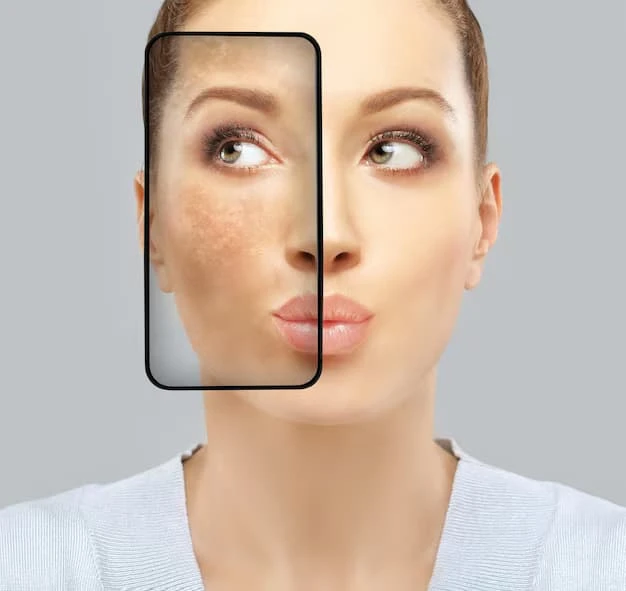

Hyperpigmentation is a common skin condition that manifests as dark patches or spots on the skin, resulting from an overproduction of melanin. This condition can stem from various causes, including sun exposure, hormonal changes, and certain medications, making it a multifaceted issue that requires a nuanced approach to treatment. In Cheshire, numerous options are available for individuals seeking to address this skin concern, but not all treatments deliver the desired results. This article delves into the effective strategies for tackling hyperpigmentation while also shedding light on the treatments that may fall short of expectations.
Understanding Hyperpigmentation: Causes and Symptoms
Before diving into treatment options, it’s essential to understand the underlying causes of hyperpigmentation. The skin contains cells called melanocytes, which produce melanin, the pigment responsible for skin color. When these cells become overactive, they can lead to the formation of dark patches, commonly referred to as hyperpigmented areas. The most common causes include excessive sun exposure, which stimulates melanin production, hormonal fluctuations linked to pregnancy or contraceptive use, and inflammatory skin conditions like acne or eczema that leave post-inflammatory marks.
Symptoms of hyperpigmentation can vary significantly in appearance, with some individuals experiencing small freckle-like spots while others may have larger, irregular patches. The condition can affect any skin type, but it is particularly noticeable in individuals with darker skin tones. Understanding these nuances is crucial for anyone considering treatment options, as selecting the right approach can depend on the type and cause of hyperpigmentation.
Top Treatments for Hyperpigmentation in Cheshire
Chemical Peels: Effective and Popular
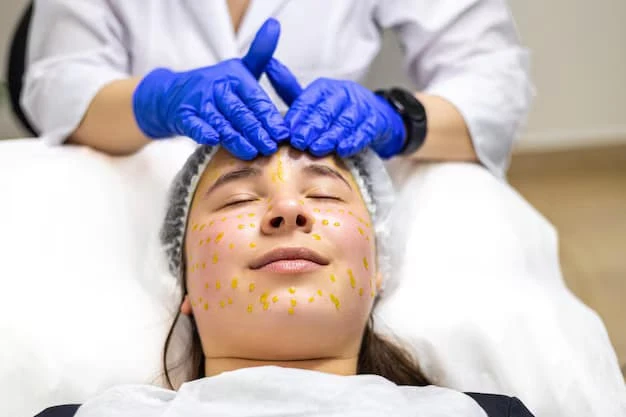
Chemical peels have emerged as one of the most popular treatments for hyperpigmentation in Cheshire. This treatment involves applying a solution to the skin that exfoliates the top layers, promoting the growth of new skin cells. By removing the damaged outer layer, chemical peels can significantly reduce the appearance of dark spots and enhance overall skin tone. Various types of chemical peels are available, ranging from superficial peels using alpha hydroxy acids (AHAs) to deeper peels utilizing trichloroacetic acid (TCA).
The effectiveness of chemical peels largely depends on the depth of the peel and the individual’s skin type. While many people experience visible improvement after a series of treatments, it’s essential to consult with a qualified dermatologist to determine the most appropriate peel for one’s specific skin needs. Moreover, potential side effects, such as redness and peeling, should be carefully considered as part of the treatment process.
Laser Therapy: Precision Targeting
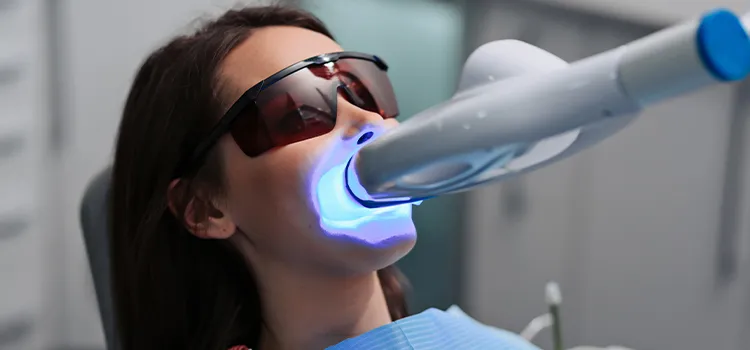
Laser therapy is another cutting-edge treatment gaining traction in Cheshire for its precision and effectiveness in targeting hyperpigmented areas. This method involves using focused light beams to break down melanin deposits in the skin without damaging surrounding tissues. Various laser technologies, such as fractional lasers and Q-switched lasers, can be employed depending on the severity and type of hyperpigmentation.
One of the significant advantages of laser therapy is its ability to provide quick results with minimal downtime. Many patients see a significant reduction in dark spots after just a few sessions. However, it’s worth noting that results can vary, and some individuals may require multiple treatments to achieve their desired outcome. Furthermore, as with any medical procedure, there are risks involved, including temporary redness and swelling.
Topical Treatments: The Daily Defense
For those who prefer a less invasive approach, topical treatments can play a significant role in managing hyperpigmentation. Over-the-counter products featuring ingredients like hydroquinone, retinoids, and vitamin C can effectively lighten dark spots over time. Hydroquinone is a bleaching agent that inhibits melanin production, while retinoids promote cell turnover, helping to fade pigmentation gradually. Vitamin C, known for its antioxidant properties, can brighten the skin and improve its overall texture.
While topical treatments can be effective, patience is key. Many users may not see immediate results and should consistently apply these products as part of their daily skincare routine. Consulting with a dermatologist can help identify the most effective topical treatment based on individual skin types and concerns, ensuring a personalized approach to hyperpigmentation management.
Microdermabrasion: Polishing the Skin
Microdermabrasion is a non-invasive treatment that exfoliates the skin’s surface using fine crystals or a diamond-tipped wand. This process helps to remove dead skin cells and promotes new cell growth, which can lead to a more even skin tone. While microdermabrasion is often used to treat acne scars and fine lines, it can also be beneficial for diminishing the appearance of hyperpigmentation.
Patients typically require multiple sessions to achieve optimal results, and the treatment is suitable for various skin types. However, it’s crucial to note that microdermabrasion may not be as effective for deeper pigmentation issues, making it imperative to consult with a skincare professional to evaluate whether this treatment aligns with one’s specific needs.
What Doesn’t Work: Myths and Misconceptions
While there are numerous effective treatments for hyperpigmentation, several myths and misconceptions can lead individuals astray. One common myth is that all natural remedies are safe and effective. Although some natural ingredients, like aloe vera and licorice extract, have shown promise, relying solely on these methods without professional guidance can be misleading. Many plant-based products lack rigorous scientific backing, and their efficacy can vary significantly from person to person.
Another misconception is that tanning can help mask hyperpigmentation. While some individuals may feel that a tan conceals dark spots, this approach can ultimately exacerbate the issue by triggering further melanin production. Instead of providing a solution, tanning can lead to more pronounced pigmentation problems, making it crucial to approach hyperpigmentation with effective, scientifically-backed treatments rather than temporary fixes.
Conclusion
Hyperpigmentation is a complex skin condition that can significantly impact an individual’s self-esteem and confidence. In Cheshire, various treatment options, such as chemical peels, laser therapy, topical treatments, and microdermabrasion, offer hope for those seeking clearer, more even-toned skin. Understanding the effectiveness of each treatment and the underlying causes of hyperpigmentation is vital for crafting a tailored approach to skin health.
As individuals navigate the landscape of hyperpigmentation treatment in Cheshire, it is essential to consult with experienced professionals who can guide them toward the best solutions. Este Medical Group Cheshire stands ready to assist those looking for effective strategies to address hyperpigmentation, ensuring that each person receives the care and attention they deserve in their journey toward healthier, radiant skin.


























Sign in to leave a comment.