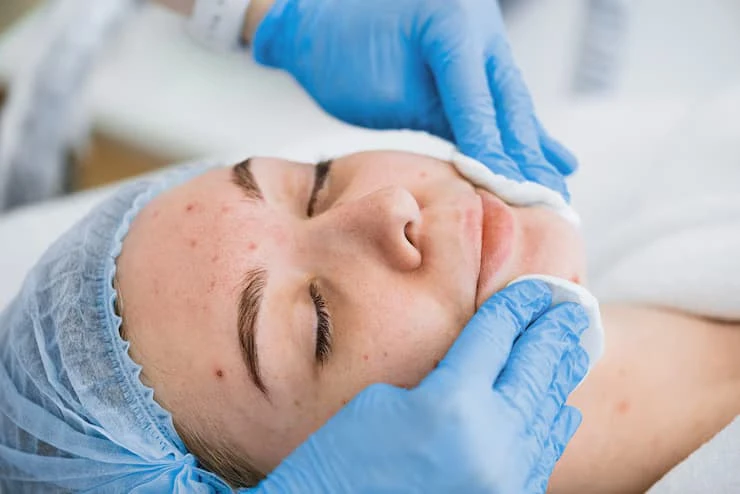

Hyperpigmentation is a skin condition characterized by dark patches or spots that form on the skin due to an excess production of melanin. While it is typically harmless, it can lead to self-esteem issues and concerns about skin appearance. In Glasgow, a city known for its vibrant culture and diverse population, many individuals are seeking effective treatments to manage and reduce hyperpigmentation. This article delves into the various treatment options available, the underlying causes of hyperpigmentation, and essential hyperpigmentation treatment glasgow tips for those considering these treatments.
Understanding Hyperpigmentation
What Causes Hyperpigmentation?
Hyperpigmentation can arise from several factors, including sun exposure, hormonal changes, certain medications, and skin injuries such as cuts or acne scars. The most common type is solar lentigines, often referred to as age spots, which are primarily a result of prolonged sun exposure. Additionally, conditions like melasma, which often appears during pregnancy or with hormonal changes, can cause patches of discoloration on the face. Understanding these underlying causes is crucial for selecting the most effective treatment method.
Types of Hyperpigmentation
It's essential to recognize that not all hyperpigmentation is the same. There are primarily three types: melasma, post-inflammatory hyperpigmentation, and solar lentigines. Melasma usually appears as brown or gray-brown patches, often on the face, and is frequently triggered by hormonal changes. Post-inflammatory hyperpigmentation occurs after an injury to the skin, such as acne or eczema, leaving dark spots once the wound heals. Solar lentigines, on the other hand, are often associated with aging and excessive sun exposure, resulting in dark spots on sun-exposed areas like the face, hands, and arms.
Treatment Options for Hyperpigmentation in Glasgow
Topical Treatments
One of the most common approaches to treating hyperpigmentation involves the use of topical treatments. These can include hydroquinone, which works to lighten the skin by inhibiting melanin production. However, it is essential to use this treatment under the supervision of a healthcare professional, as prolonged use can lead to side effects. Other effective topical treatments include retinoids, which promote cell turnover and help in fading dark spots, and vitamin C serums, known for their antioxidant properties and ability to brighten the skin.
Chemical Peels
Chemical peels are another popular treatment option for those dealing with hyperpigmentation. This procedure involves applying a chemical solution to the skin, which causes the outer layer to peel off, revealing a fresher, more even-toned layer beneath. In Glasgow, various types of chemical peels are available, ranging from superficial peels that only affect the outer layer of skin to deeper peels that penetrate more profoundly. The choice of peel often depends on the severity of the hyperpigmentation and individual skin types.
Laser Treatments
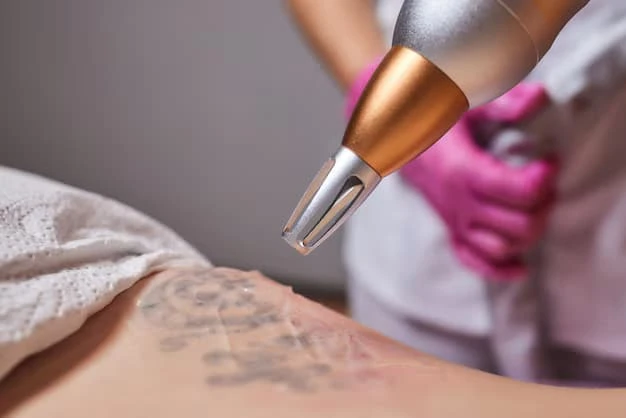
In recent years, laser treatments have become increasingly popular for addressing hyperpigmentation. These treatments work by targeting the pigment in the skin with focused light, breaking it down for the body to absorb. Different types of lasers are used depending on the specific needs of the patient. For example, fractional lasers create micro-injuries in the skin to promote healing and skin rejuvenation, while Q-switched lasers are effective for removing deeper pigmentation. In Glasgow, many clinics offer cutting-edge laser technology, making this an accessible option for those seeking significant improvement in their skin tone.
Microdermabrasion
Microdermabrasion is a less invasive procedure that can help reduce the appearance of hyperpigmentation. This treatment involves using a device that exfoliates the skin’s surface, removing dead skin cells and promoting the growth of new cells. While microdermabrasion may not be as effective for deeper pigmentation issues, it can improve overall skin texture and tone, making it a popular choice for those looking to enhance their skin's appearance.
Aftercare and Prevention
Protecting Your Skin
Regardless of the treatment method chosen, protecting the skin post-treatment is crucial to prevent the recurrence of hyperpigmentation. Sunscreen is essential, particularly in Glasgow, where the weather can be unpredictable, and UV rays can still damage the skin. A broad-spectrum sunscreen with an SPF of at least 30 should be applied daily, even on cloudy days. Additionally, wearing protective clothing and seeking shade during peak sun hours can further help in safeguarding the skin.
Skincare Routine
Establishing a consistent skincare routine is equally important. Incorporating gentle cleansers, exfoliants, and moisturizers can help maintain skin health. Products containing ingredients like niacinamide and alpha arbutin can also assist in reducing pigmentation over time. Consulting with a skincare professional in Glasgow can help tailor a routine that meets individual skin needs and addresses hyperpigmentation effectively.
Conclusion
Hyperpigmentation can be a frustrating condition for many individuals, but understanding its causes and treatment options is the first step towards achieving clearer skin. Glasgow offers a range of treatments, from topical solutions to advanced laser therapies, making it easier for individuals to find a method that works for them. By combining these treatments with diligent sun protection and a robust skincare routine, patients can significantly improve their skin's appearance and boost their confidence.
For those considering hyperpigmentation treatment in Glasgow, Este Medical Group is here to guide you on your journey towards healthier, more vibrant skin. Don’t let hyperpigmentation hold you back—reach out today to discover how we can help you achieve your skincare goals!




























Sign in to leave a comment.