
Hypoglycemia, or low blood sugar, is a condition most commonly associated with diabetes and can occur when the body’s glucose levels drop below normal levels. While it is generally known to cause symptoms like dizziness, confusion, shakiness, and even loss of consciousness, one lesser-discussed concern is whether hypoglycemia can lead to more severe complications, such as a stroke. In this article, we will explore the potential relationship between hypoglycemia and stroke, how low blood sugar may affect the brain, and the steps to prevent both conditions from negatively impacting your health.
Understanding Hypoglycemia and Stroke: Hypoglycemia occurs when blood glucose levels fall below 70 mg/dL, although individual thresholds may vary. Glucose is the primary fuel source for the body, especially for the brain, which consumes about 20% of the body’s energy needs. When glucose levels are too low, the brain may not function properly, leading to symptoms like confusion, dizziness, blurred vision, and even fainting.
A stroke, on the other hand, is a medical emergency where there is a sudden loss of brain function, typically caused by a blocked or ruptured blood vessel in the brain. The lack of blood flow deprives the brain of oxygen and nutrients, leading to damage to brain cells.
At first glance, these two conditions may seem unrelated, but they share a few common factors that might connect them under certain circumstances.
The Link Between Hypoglycemia and Stroke Risk: While hypoglycemia itself does not directly cause a stroke, there are certain situations where the two conditions could be connected. The key is how hypoglycemia affects the body’s vascular and metabolic systems, which may increase the risk of a stroke, especially in individuals with preexisting conditions such as cardiovascular disease, diabetes, or high blood pressure.
- Hypoglycemia and Brain Function: When blood glucose levels drop too low, the brain becomes deprived of the energy it needs to function properly. In severe cases of hypoglycemia, the brain can become temporarily impaired, leading to confusion, seizures, and loss of consciousness. These episodes can increase the strain on the heart and blood vessels, possibly contributing to a higher risk of stroke in vulnerable individuals.
- Hypoglycemia-Induced Stress on the Body: Hypoglycemia triggers a cascade of hormonal responses designed to bring blood sugar levels back to normal. The body releases adrenaline (epinephrine) to raise glucose levels, which can cause an increase in heart rate and blood pressure. This acute stress on the cardiovascular system may contribute to the formation of blood clots or the rupture of blood vessels, both of which are key factors in stroke occurrence. Individuals with a history of cardiovascular disease or those already at risk for stroke may be particularly vulnerable to these stress-induced complications.
- Hypoglycemia in Diabetic Patients: For individuals with diabetes, hypoglycemia is a known risk, especially in those taking insulin or other medications that lower blood sugar. Severe or frequent hypoglycemic episodes in diabetic patients can lead to complications in brain function, and, when combined with other risk factors such as poor circulation, high cholesterol, or high blood pressure, it could potentially increase the likelihood of a stroke. Additionally, research has shown that individuals who experience hypoglycemia are more likely to suffer from cardiovascular events due to the stress placed on the heart and blood vessels.
How Does Hypoglycemia Contribute to Stroke in Diabetics? Diabetic patients who experience frequent hypoglycemia are at an increased risk of stroke because of the direct effects of fluctuating blood sugar levels on the cardiovascular system. For example:
- Endothelial Dysfunction: Low blood sugar may contribute to endothelial dysfunction, where the lining of blood vessels becomes damaged, making it more likely for clots to form.
- Increased Risk of Atrial Fibrillation (AF): Low blood sugar episodes may trigger irregular heart rhythms, such as atrial fibrillation, which can increase the risk of blood clots that may travel to the brain and cause a stroke.
- Insulin Therapy: While insulin is an essential part of diabetes management, incorrect dosing or too much insulin can result in hypoglycemia, leading to adverse effects on blood flow and increasing the risk of stroke.
Preventing Hypoglycemia and Stroke Risk: Managing blood sugar levels carefully is crucial for individuals at risk of hypoglycemia and stroke. Below are some essential steps to help prevent both conditions:
- Monitor Blood Sugar Regularly: Individuals with diabetes should regularly check their blood glucose levels to ensure they stay within the recommended range. Keeping blood sugar levels stable can help prevent the onset of hypoglycemia.
- Follow a Consistent Diet and Exercise Routine: Maintaining a balanced diet with consistent meal timing and portion control, along with regular physical activity, helps in stabilizing blood sugar levels and reducing the risk of hypoglycemic episodes.
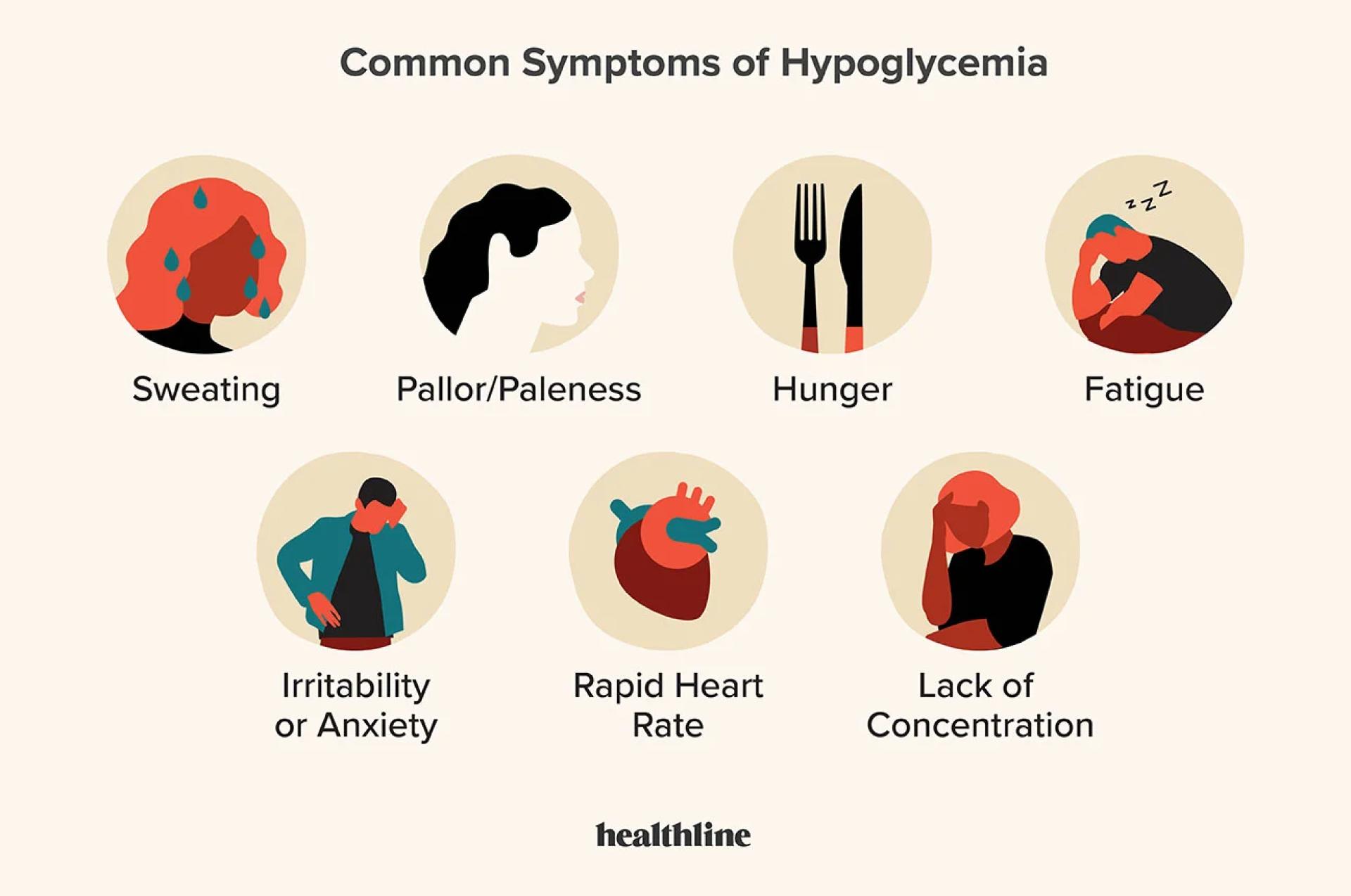
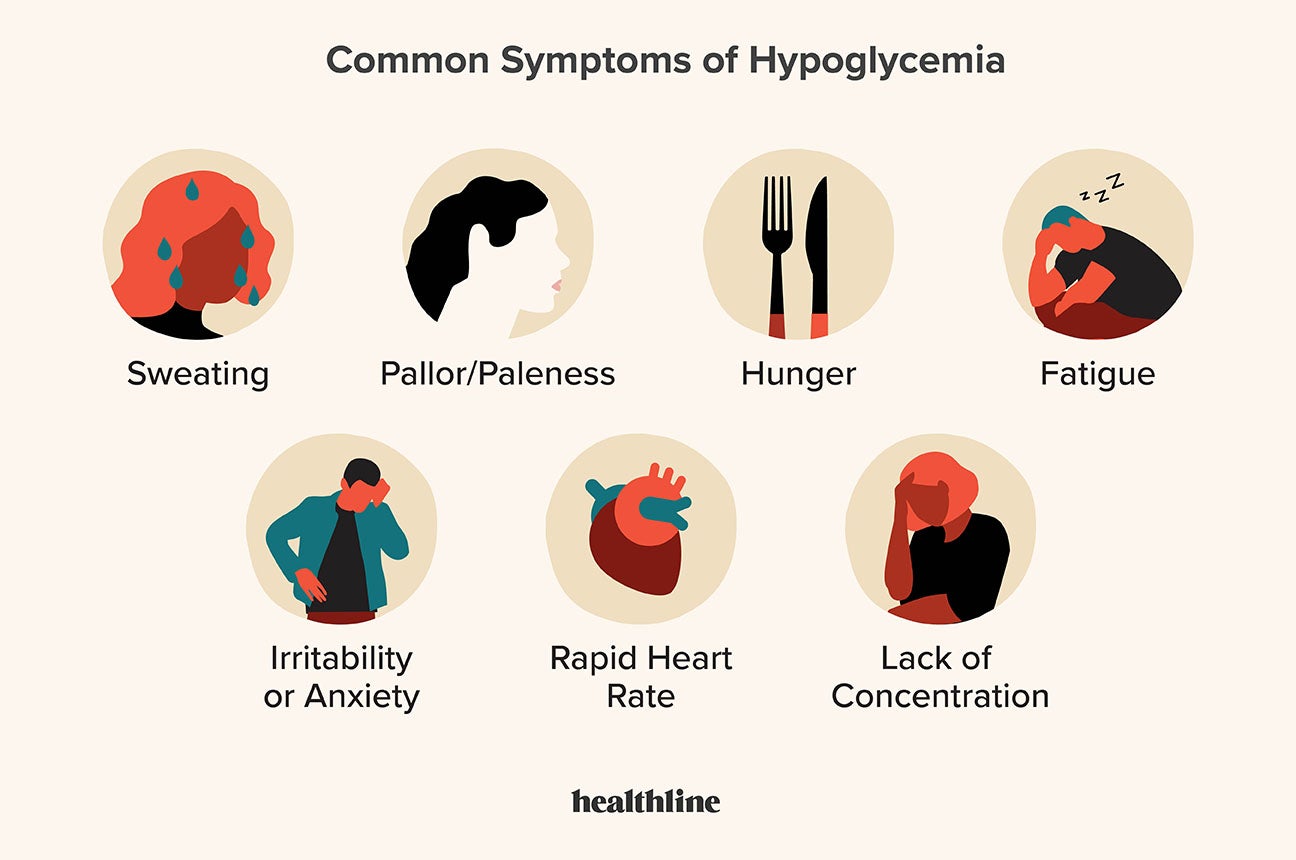
- Educate on the Symptoms of Hypoglycemia: Being aware of early symptoms of hypoglycemia—such as sweating, shaking, and confusion—allows individuals to take action before their condition worsens. Having a source of fast-acting carbohydrates, like glucose tablets or juice, on hand is essential.
- Work Closely with a Healthcare Provider: Regular check-ups with a healthcare provider are important for adjusting medication doses, especially for individuals on insulin therapy, to prevent both high and low blood sugar fluctuations.
- Manage Cardiovascular Health: Since hypertension, high cholesterol, and other heart-related conditions increase the risk of stroke, it’s important to manage these factors through lifestyle changes, medications, and routine monitoring.
While hypoglycemia itself does not directly cause a stroke, the two conditions can be linked through the stress that low blood sugar places on the body, particularly the cardiovascular system. Individuals with diabetes and those who experience frequent episodes of hypoglycemia may be at an increased risk of stroke, especially if they have underlying cardiovascular risk factors. By closely monitoring blood sugar levels, adhering to treatment plans, and managing overall cardiovascular health, individuals can significantly reduce their risk of both hypoglycemia and stroke. It is essential for patients to work with their healthcare providers to create a personalized management plan to ensure their well-being and minimize the risk of complications.



























Sign in to leave a comment.