

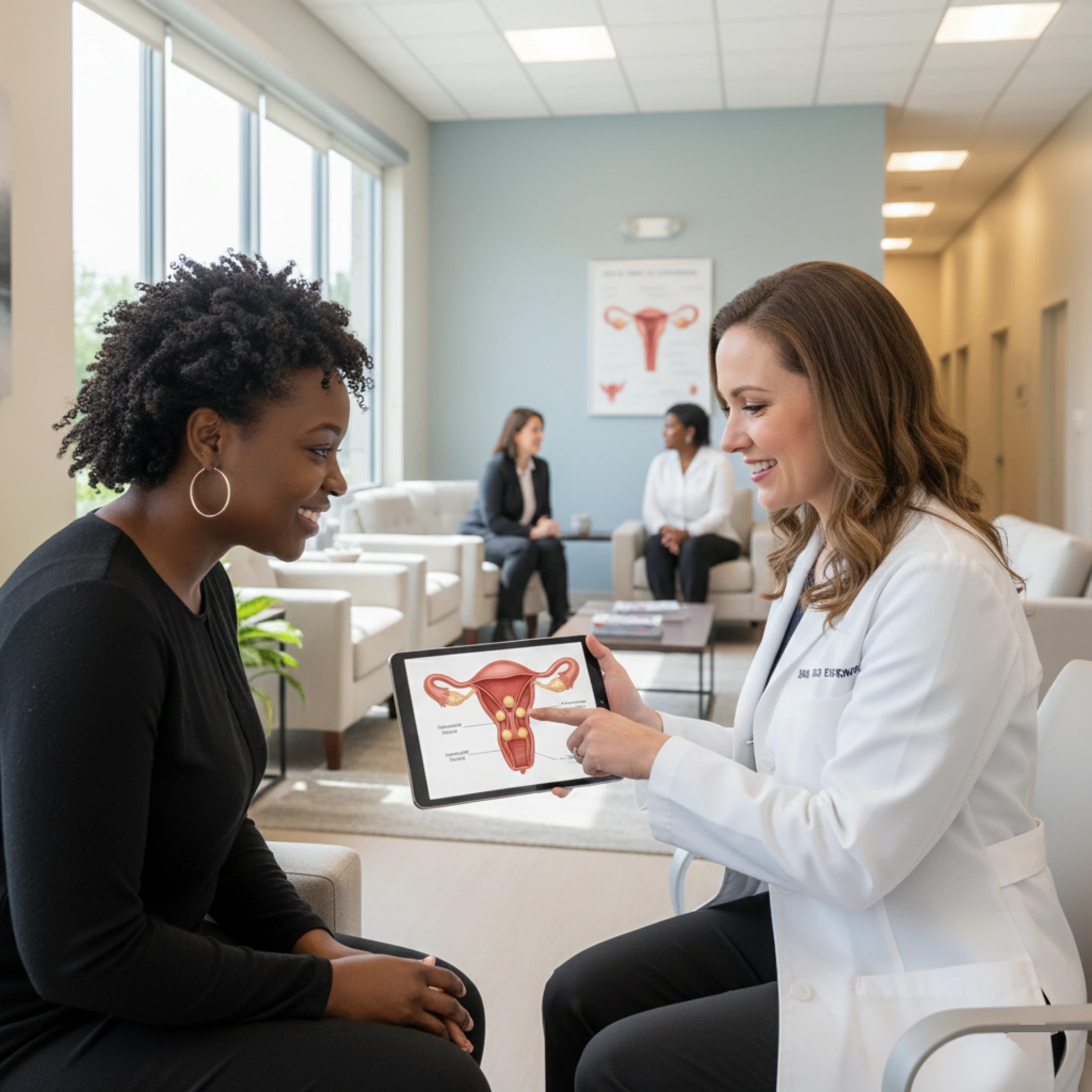
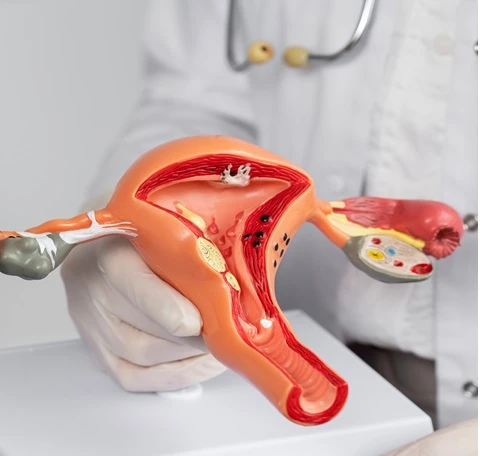
Fibroids are benign growths that can affect the uterus and sometimes interfere with daily life. When symptoms like heavy menstrual bleeding, pelvic pressure, or discomfort become significant, hysterectomy for fibroids may be considered. This surgical procedure removes the uterus, preventing fibroid recurrence and offering permanent relief. Learning about the procedure and other treatment options allows women to make informed and thoughtful decisions.
Why Hysterectomy Is Considered
Hysterectomy may be recommended in cases of:
- Large or multiple fibroids
- Severe bleeding or anemia
- Persistent pelvic pain
- Impact on lifestyle or work
Women who do not plan to have children in the future often consider this option. Understanding why hysterectomy is discussed helps women approach care decisions with clarity.
Types of Hysterectomy
- Total hysterectomy: Uterus and cervix removed
- Partial hysterectomy: Only the uterus removed
- Radical hysterectomy: Uterus, cervix, and surrounding tissues removed
Each type has unique recovery and long-term considerations, making education essential.
Surgical Approaches
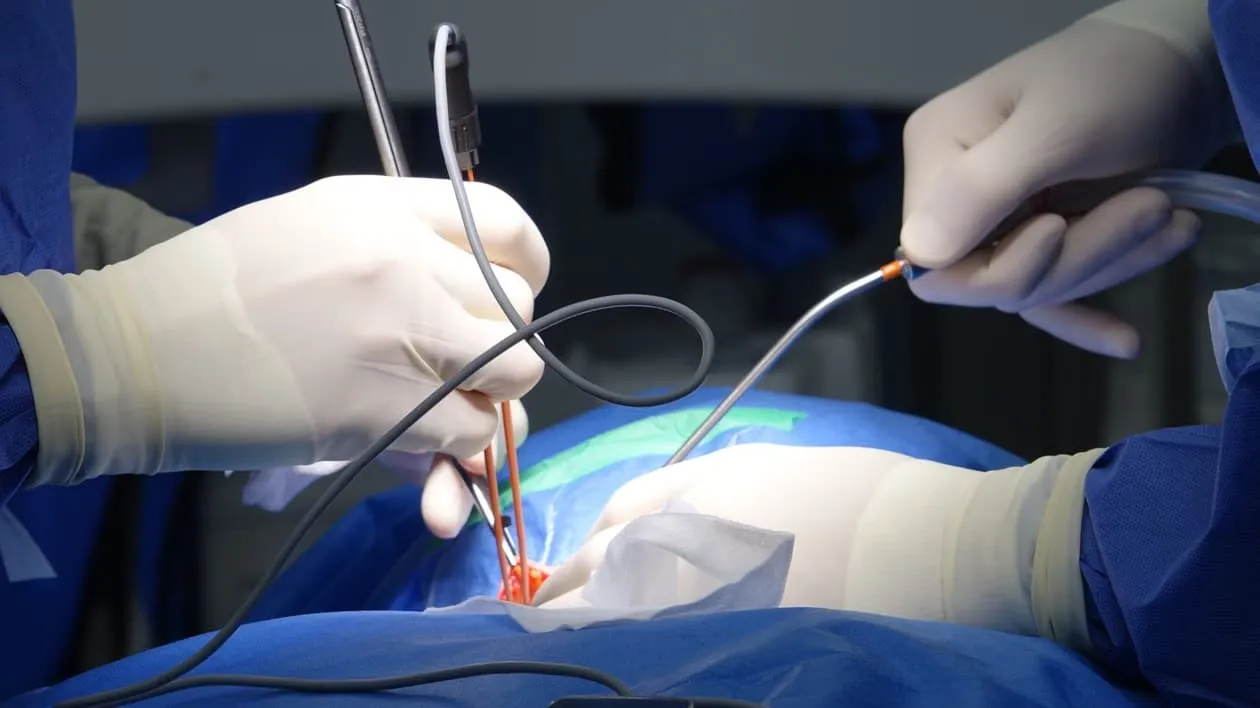
Hysterectomy can be performed using:
- Abdominal surgery for larger fibroids
- Vaginal surgery through the vaginal canal
- Laparoscopic surgery minimally invasive approach
Knowing these approaches helps women understand what recovery and post-procedure care may involve.
Benefits and Considerations
Hysterectomy offers permanent relief from fibroid symptoms, including heavy bleeding and pelvic pressure. However, fertility ends permanently, and recovery may take time. Physical, emotional, and lifestyle impacts should all be considered.
Other Fibroid Treatment Options
Minimally invasive procedures like uterine fibroid embolization may reduce fibroid size and symptoms without removing the uterus. Exploring alternatives allows women to select the treatment that best aligns with their personal goals.
The Importance of Education
Reliable, clear information helps women feel prepared and confident. USA Fibroid Centers provide educational resources that explain fibroid treatment options compassionately and accurately.
Moving Forward with Confidence
Understanding hysterectomy for fibroids and the alternatives ensures women can make informed decisions that match their lifestyle, comfort, and personal health goals. Education is a key step in navigating fibroid care successfully.




























Sign in to leave a comment.