

Uterine fibroids are a common health condition that affects millions of women worldwide. While these non-cancerous growths are often harmless, they can sometimes cause symptoms that interfere with everyday life, including heavy menstrual bleeding, pelvic discomfort, lower back pain, and frequent urination. Fortunately, significant advances in women's healthcare have expanded the number of available treatment options. If you are researching the Best Treatment For Fibroids, learning about today's medical approaches can help you make informed decisions about your care.
Treatment is not the same for every patient. Physicians evaluate each woman's symptoms, overall health, reproductive plans, and fibroid characteristics before recommending the most appropriate solution.

What Are Uterine Fibroids?
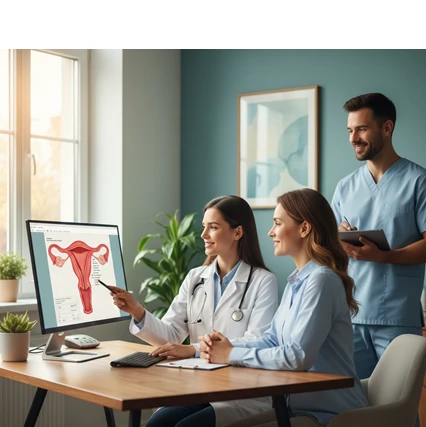
Fibroids are benign tumors that develop from the smooth muscle tissue of the uterus. They may grow inside the uterine wall, within the uterine cavity, or on the outer surface of the uterus.
Although researchers continue studying their exact cause, fibroid development is commonly associated with:
- Hormonal fluctuations
- Genetic factors
- Family history
- Age
- Obesity
- Reproductive hormones
Some fibroids remain small throughout life, while others gradually increase in size.
Symptoms That Can Affect Daily Life
Many women never experience noticeable symptoms. However, larger fibroids or multiple fibroids can create significant health concerns.
Common symptoms include:
- Heavy menstrual bleeding
- Menstrual periods lasting longer than usual
- Pelvic pain
- Pelvic pressure
- Frequent urination
- Constipation
- Lower back discomfort
- Pain during intercourse
- Abdominal enlargement
- Fatigue caused by excessive blood loss
If symptoms persist, medical evaluation is recommended to determine the underlying cause.
Why Early Evaluation Is Important
Early diagnosis helps physicians identify fibroids before symptoms become more severe. It also allows patients to explore a wider range of treatment options.
Doctors may use:
- Pelvic examination
- Ultrasound
- MRI
- Blood tests when heavy bleeding is present
Accurate imaging provides valuable information about fibroid size, number, and location.
Modern Treatment Options
Advances in fibroid care have made treatment more personalized than ever before.
Observation
Women with small fibroids that are not causing symptoms may only need regular follow-up appointments to monitor any changes.
Medication
Medication may help reduce heavy bleeding or temporarily control symptoms. Although medicines improve symptom management, they usually do not permanently eliminate fibroids.
Uterine Fibroid Embolization (UFE)
UFE is a minimally invasive treatment that reduces blood flow to fibroids, causing them to shrink naturally. Because it does not require major surgery, many women appreciate the shorter recovery period.
Potential benefits include:
- Outpatient procedure
- Smaller incision
- Reduced recovery time
- Less postoperative discomfort
- Preservation of the uterus
Myomectomy
Myomectomy surgically removes fibroids while leaving the uterus intact. It may be an appropriate option for women who wish to preserve fertility, depending on their individual condition.
Hysterectomy
In cases involving severe symptoms or very large fibroids, hysterectomy may be recommended. Since the uterus is removed, fibroids cannot return after this procedure.
Choosing the Right Treatment
Selecting a treatment involves careful consideration of several factors.
These include:
- Symptom severity
- Fibroid size
- Fibroid location
- Number of fibroids
- Age
- Overall health
- Pregnancy goals
- Personal preferences
Working closely with an experienced physician helps ensure treatment aligns with each patient's needs.
Benefits of Personalized Fibroid Care
Individualized treatment planning can improve both short-term symptom relief and long-term health.
Potential benefits include:
- Improved menstrual health
- Reduced pelvic discomfort
- Better bladder function
- Increased energy
- Reduced risk of anemia
- Improved quality of life
Because every patient is different, treatment recommendations should always be personalized.
Healthy Habits That Support Treatment
Lifestyle choices cannot remove fibroids, but they can support overall reproductive health.
Helpful habits include:
- Eating nutritious meals
- Staying physically active
- Maintaining a healthy weight
- Drinking plenty of water
- Managing stress
- Scheduling regular gynecological visits
These practices complement medical care and promote overall wellness.
Why Choose USA Fibroid Centers?
USA Fibroid Centers provides specialized care for women experiencing fibroid symptoms. Their experienced physicians use advanced imaging technology to accurately diagnose fibroids and recommend individualized treatment plans based on each patient's unique condition.
Patients receive:
- Expert fibroid evaluations
- Advanced diagnostic imaging
- Personalized treatment recommendations
- Minimally invasive treatment options
- Convenient outpatient care
- Compassionate patient support
Their commitment to individualized care helps women better understand their condition and confidently choose the treatment that fits their health goals.
Conclusion
Managing uterine fibroids begins with understanding your symptoms and seeking an accurate diagnosis. Today, women have access to a wide range of treatment options, including minimally invasive procedures that may provide effective symptom relief while preserving the uterus whenever possible. With guidance from an experienced fibroid specialist, patients can explore treatments that support both immediate symptom management and long-term reproductive health.
Frequently Asked Questions
1. What factors determine the right fibroid treatment?
Doctors consider fibroid size, location, symptoms, overall health, and future pregnancy plans before recommending treatment.
2. Are all fibroids treated the same way?
No. Treatment is individualized because every patient's condition is different.
3. Can fibroids be managed without surgery?
Yes. Many women benefit from minimally invasive procedures or symptom-management strategies.
4. How are fibroids diagnosed?
Fibroids are commonly diagnosed using pelvic examinations, ultrasound, and MRI imaging.
5. Can fibroids continue growing?
Some fibroids remain stable, while others gradually increase in size, making regular monitoring important.
6. When should I see a specialist?
Consult a fibroid specialist if heavy bleeding, pelvic pain, pressure, or other symptoms begin affecting your daily activities.


























Sign in to leave a comment.