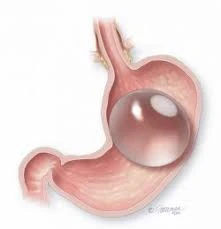

Understanding Endoscopic Intragastric Procedures
Endoscopic Intragastric is a minimally invasive weight loss procedure that involves placing a balloon inside the stomach. The balloon occupies space, limiting the amount of food the stomach can hold, and thereby promoting weight loss. This procedure is an attractive option for those looking to lose weight without undergoing surgery. It is essential to understand who the ideal candidate for Endoscopic Intragastric is to ensure the procedure\'s effectiveness and safety.
Who Should Consider Endoscopic Intragastric?
Individuals with a BMI Between 30 and 40
One of the primary criteria for being an ideal candidate for Endoscopic Intragastric is having a Body Mass Index (BMI) between 30 and 40. Individuals within this BMI range are typically classified as obese but may not be suitable candidates for more invasive weight loss surgeries like gastric bypass. The procedure is designed to help those struggling with moderate obesity to lose significant weight and improve their overall health.
Struggling with Weight Loss Despite Diet and Exercise
Endoscopic Intragastric is particularly beneficial for individuals who have been unable to achieve significant weight loss through traditional methods like diet and exercise. Often, these individuals have tried various diets, workout routines, and even weight loss medications without success. The procedure provides an additional tool to help these individuals jumpstart their weight loss journey and achieve lasting results.
Age Considerations for Endoscopic Intragastric
Typically Aimed at Adults Aged 18-65
The procedure is generally recommended for adults between the ages of 18 and 65. Younger and older individuals might face different risks and may not respond to the procedure as well. For those within this age range, Endoscopic Intragastric offers a viable option to combat obesity, particularly for those who are experiencing obesity-related health issues that could worsen over time.
Health Conditions That May Exclude Candidates
Certain health conditions might exclude an individual from being a suitable candidate for this procedure. For example, individuals with gastrointestinal disorders, large hiatal hernias, or previous gastric surgeries might not be ideal candidates for Endoscopic Intragastric. It\'s crucial for potential candidates to undergo a thorough medical evaluation to determine if this procedure is a safe and effective option for them.
Psychological Readiness and Commitment
The Importance of Psychological Evaluation
Being psychologically prepared for Endoscopic Intragastric is just as important as being physically prepared. Candidates must undergo a psychological evaluation to ensure they have realistic expectations and are mentally ready to commit to the lifestyle changes required after the procedure. Weight loss is not just a physical journey but also a mental one, and those who are psychologically prepared tend to have better long-term success.
Commitment to Lifestyle Changes
Candidates must be committed to making significant lifestyle changes after the procedure. This includes adhering to a healthy diet, regular exercise, and potentially seeking ongoing support from nutritionists or therapists. Endoscopic Intragastric is a tool to aid in weight loss, but its effectiveness largely depends on the individual’s commitment to maintaining a healthier lifestyle.
Understanding the Risks and Expectations
Awareness of Potential Risks and Side Effects
Like any medical procedure, Endoscopic Intragastric comes with potential risks and side effects. Ideal candidates should be aware of these risks and have realistic expectations about the outcomes. Common side effects include nausea, vomiting, and discomfort, particularly in the days following the procedure. However, these side effects are usually temporary and can be managed with medication and adjustments to the patient’s diet.
Setting Realistic Weight Loss Goals
It’s essential for candidates to set realistic weight loss goals. The Endoscopic Intragastric procedure can result in significant weight loss, but it is not a quick fix or a miracle cure. Patients should aim for gradual, sustainable weight loss and understand that the balloon is typically removed after six months. Continuing the lifestyle changes after balloon removal is crucial for maintaining weight loss.
The Role of Support Systems
Importance of a Strong Support Network
Having a strong support network is vital for those undergoing Endoscopic Intragastric. Family, friends, and healthcare providers play an essential role in the success of the procedure. They can offer emotional support, help patients stick to their new diet and exercise routines, and provide encouragement during challenging times. Candidates with a robust support system are more likely to achieve and maintain their weight loss goals.
Access to Professional Support
In addition to personal support networks, access to professional support is crucial. This includes ongoing consultations with dietitians, psychologists, and fitness trainers who specialize in weight loss. Professional guidance can help candidates navigate the challenges of post-procedure life, ensuring they stay on track and achieve lasting results.
Long-Term Commitment to Health
Understanding the Long-Term Nature of Weight Loss
Endoscopic Intragastric is not a short-term solution; it requires a long-term commitment to health and wellness. Candidates must be prepared to continue their healthy habits long after the balloon is removed. This includes maintaining a balanced diet, regular exercise, and possibly attending follow-up appointments with healthcare providers to monitor progress and address any issues.
Continual Monitoring and Adjustment
Weight loss and weight management are ongoing processes. Ideal candidates for Endoscopic Intragastric should be willing to continually monitor their progress and make adjustments as needed. This might involve modifying their diet, increasing their physical activity, or seeking additional professional help if they encounter challenges. Long-term success is possible with consistent effort and a proactive approach to health.
Conclusion: Are You the Ideal Candidate?
Assessing Your Suitability for the Procedure
Determining if you are the ideal candidate for Endoscopic Intragastric involves considering various factors, including your BMI, commitment to lifestyle changes, psychological readiness, and the presence of a support system. By carefully evaluating these factors, you can make an informed decision about whether this procedure is the right choice for you.
Taking the Next Steps Towards Weight Loss
If you believe you might be a good candidate for Endoscopic Intragastric, the next step is to consult with a healthcare provider who can assess your individual situation. With the right preparation, support, and commitment, Endoscopic Intragastric can be a powerful tool to help you achieve your weight loss goals and improve your overall health.




























Sign in to leave a comment.