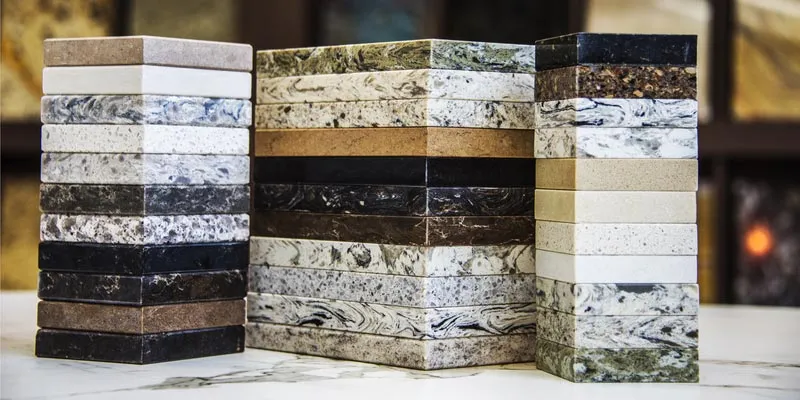

When investing in natural stone for high-end architectural projects or home renovations, ensuring the authenticity of your materials is paramount. As a premier granite exporter in india, Galaxy Exports understands that the market is often flooded with synthetic alternatives or lower-grade stones treated to mimic premium varieties. Discerning the difference between genuine granite and "commercial grade" imitations requires a blend of visual expertise and scientific testing. Authentic granite is a plutonic igneous rock, formed from the slow crystallization of magma below the Earth's surface. This unique geological origin gives it the signature durability and crystalline structure that homeowners and contractors crave.
The Importance of Material Authenticity
True granite is prized for its heat resistance, hardness, and unique aesthetic variations. However, some suppliers may offer "granite" that is actually a mix of crushed stone and resin, or natural stones that have been artificially dyed to hide imperfections. To protect your investment, you must move beyond surface-level aesthetics. Understanding the important facts for buying granite allows you to navigate the complexities of stone selection with confidence, ensuring the material you choose will withstand decades of wear and tear while maintaining its natural luster.
Visual Inspection: Color and Pattern Consistency
The first step in a professional quality test is a thorough visual analysis. Natural granite should never look perfectly uniform. Because it is composed of various minerals like quartz, feldspar, and mica, there will always be slight variations in grain size and distribution. If a slab looks like a perfect carbon copy from one end to the other, it may be a man-made quartz or a synthetic composite. For instance, a reputable Imperial Red Granite supplier will provide slabs that showcase deep crimson hues accented by naturally occurring dark speckles and translucent grains. These "imperfections" are the fingerprints of nature and a primary indicator of a real, high-quality stone.
The Water Absorption Test (Porosity Check)
One of the most effective ways to test the quality and seal of granite is the water drop test. Granite is naturally porous, though high-quality variants have very low absorption rates. To perform this test, place a few drops of water on the surface of the stone and wait for about 10 to 15 minutes. If the water is absorbed quickly and leaves a dark spot, the stone is highly porous and will require frequent sealing. If the water beads up, the stone is dense and well-sealed. This test is crucial for kitchen countertops where liquid spills are frequent. Real, high-grade granite will resist rapid absorption, whereas porous stones or poorly manufactured imitations may fail this basic durability check.
The Scratch and Hardness Test
Granite ranks roughly a 6 or 7 on the Mohs scale of mineral hardness. This makes it significantly harder than marble or synthetic resins. A simple way to test for authenticity is the scratch test. Use a sharp metal object, such as a stainless steel knife or a specialized scratch kit, and attempt to mark an inconspicuous area of the slab. Real granite should not be easily scratched by common household metals. If the blade leaves a permanent, deep groove with minimal pressure, the material is likely a softer stone like marble or a plastic-based composite. This hardness is exactly why professionals choose granite for heavy-use areas like flooring and external cladding.
Detecting Artificial Dyes and Surface Treatments
Some manufacturers use "doctoring" techniques to enhance the color of low-grade stone. They apply oils or dyes to make the stone appear more vibrant or to hide cracks. You can detect this by using a clean cloth soaked in a small amount of acetone or nail polish remover. Rub the cloth over a small section of the granite surface. If the cloth picks up any color or if the stone looks duller after the application, the slab has been artificially dyed. Authentic natural stone will retain its color regardless of chemical exposure, as its pigmentation is mineral-based rather than a topical application.
Sound Resonance and Structural Integrity
Professional stone masons often use the "ring test" to check for internal cracks or fissures that aren't visible to the naked eye. By gently tapping the slab with a small wooden mallet or a metal tool, you should hear a clear, high-pitched ringing sound. This indicates a solid, dense crystalline structure. If the sound is a dull thud, it suggests the presence of internal voids, deep cracks, or that the material is a composite held together by resins. Structural integrity is vital for large-scale installations where the stone must support its own weight without fracturing.
Thermal Resistance Validation
One of the hallmarks of genuine granite is its ability to withstand high temperatures without scorching or cracking. While you shouldn't place a red-hot pot directly on any surface without a trivet, real granite can handle heat far better than synthetic surfaces that contain resins. Synthetic "granite" or solid surfaces will often emit a chemical odor or show signs of melting when exposed to extreme heat. Natural granite remains stable because it was forged in the extreme heat of the Earth's crust, making it the ideal choice for environments ranging from outdoor barbecue stations to professional kitchens.
Verifying Density and Weight
Real granite is incredibly dense and heavy. When comparing samples of the same size, a genuine granite piece will feel significantly heavier than a synthetic or wooden-core imitation. This density contributes to its longevity and its resistance to impact. When sourcing stone for industrial or large-scale residential projects, verifying the weight specifications against industry standards for that specific type of granite can provide an extra layer of assurance regarding the material's authenticity.
Conclusion: Trusting the Source
Ultimately, the best way to ensure you are receiving real, high-quality stone is to work with established experts who prioritize transparency. By combining these physical tests with a deep understanding of geological standards, you can ensure that your project features the timeless beauty and unmatched durability of genuine natural stone. Always ask for technical data sheets and origin certificates to confirm that the material meets the rigorous demands of modern architecture and design. Genuine granite is not just a purchase; it is a permanent addition to the value and character of a property.



























Sign in to leave a comment.