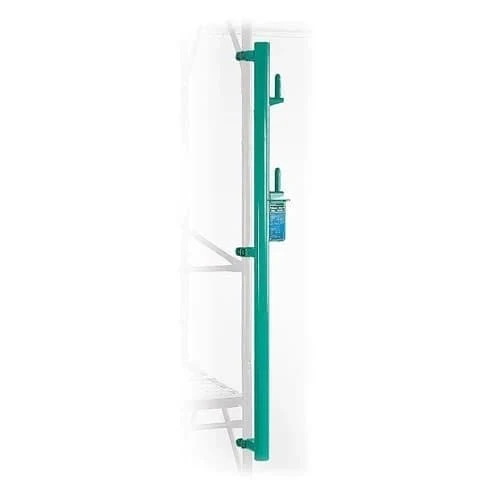

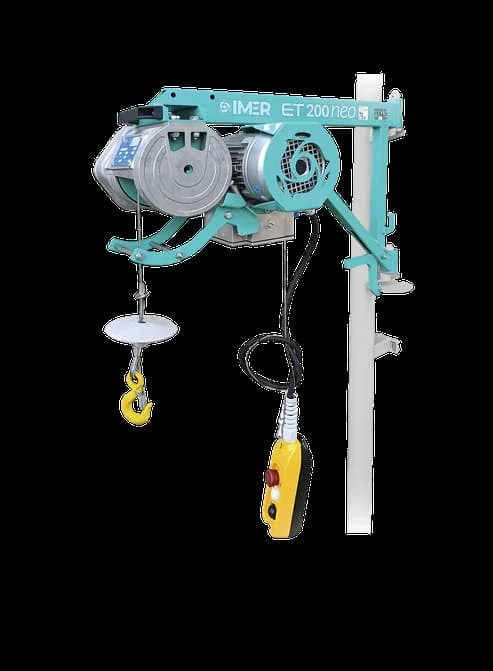
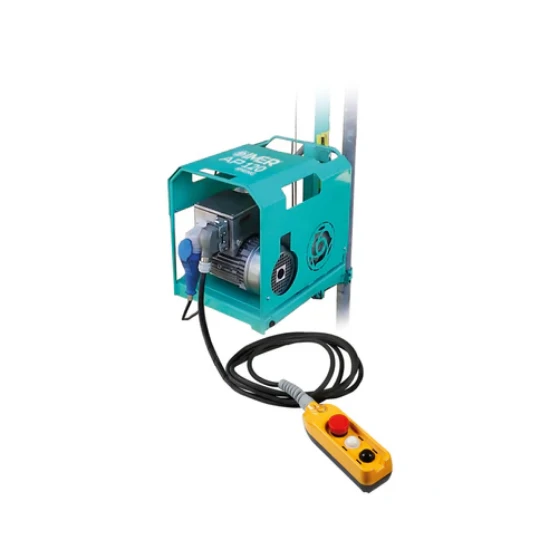
Medium duty construction projects require lifting equipment that combines strength, stability, and operational control to keep work progressing smoothly. The IMER ET200 NEO scaffold hoist is designed to meet these demands by providing reliable vertical material movement for scaffold based applications. Its lifting capacity and controlled performance make it suitable for projects where materials are heavier than light duty loads but still require precision handling.
On busy construction sites, efficient material lifting plays a major role in productivity and safety. A medium duty scaffold hoist allows materials to be transported directly to working levels, reducing delays and minimizing physical strain on workers. This article explores how this type of hoist supports medium duty lifting, its performance characteristics, and the value it brings to construction operations.
Understanding Medium Duty Lifting Requirements
Medium duty lifting typically involves frequent handling of materials such as bricks, concrete blocks, tiles, and bags of mortar. These loads are common on multi storey residential projects, structural extensions, and refurbishment work. A scaffold hoist in this category is engineered to manage these weights consistently throughout the working day.
Unlike light duty systems, medium duty hoists are built for repeated use without compromising performance. They support continuous lifting cycles while maintaining stability and control. This reliability ensures that material supply keeps pace with on site activities, helping teams avoid interruptions caused by manual handling limitations.
Design Features That Support Performance
A medium duty scaffold hoist is constructed with a reinforced frame and robust lifting mechanism to handle increased loads. This strong structural design helps reduce vibration and sway during operation, which is essential when lifting heavier materials to elevated platforms.
Equally important is smooth operational control. Controlled lifting speeds and responsive stopping allow materials to be positioned accurately at the required height. This precision reduces the risk of material damage and improves coordination between ground level and scaffold teams.
Productivity Benefits on Construction Sites
The use of a medium duty scaffold hoist has a direct impact on site productivity. Manual lifting of heavier materials consumes time and energy, often slowing progress. By mechanizing vertical transport, the hoist allows workers to focus on skilled tasks such as installation and finishing.
Material flow becomes more predictable with a scaffold hoist in place. Loads can be scheduled and delivered as needed, reducing waiting times and improving overall workflow. Over the duration of a project, these efficiency gains contribute to better time management and cost control.
Safety Improvements Through Controlled Lifting
Safety is a key advantage of using a medium duty scaffold hoist. Handling heavier materials manually increases the risk of strains, slips, and dropped loads. Mechanical lifting reduces these hazards by providing consistent and controlled movement.
Clearer scaffold platforms also enhance safety. Materials can be lifted directly to their point of use instead of being carried across multiple levels. This reduces congestion and minimizes trip hazards, creating a safer environment for workers operating at height.
Versatility Across Construction Applications
A medium duty scaffold hoist is versatile enough to support a wide range of construction activities. It is commonly used in residential developments, low rise commercial projects, and renovation work where regular lifting of moderate loads is required.
Beyond new construction, this type of hoist is also effective for maintenance and upgrade projects. Facade repairs, re roofing, and structural improvements all benefit from reliable vertical material transport. This adaptability makes the hoist a valuable asset across different project types.
Long Term Value and Reliability
Investing in a medium duty scaffold hoist offers long term value for contractors who regularly handle heavier materials. The balance between lifting capacity and operational control ensures the equipment can be used across multiple projects without excessive wear.
With proper use and routine maintenance, a scaffold hoist delivers consistent performance over time. Reduced labour strain, improved safety, and enhanced productivity all contribute to a strong return on investment, making it a practical choice for medium duty construction needs.
Conclusion
A medium duty scaffold hoist plays an essential role in supporting efficient and safe material lifting on construction sites. By handling heavier loads with stability and precision, it helps maintain steady workflows while reducing the risks associated with manual handling. For contractors seeking dependable lifting solutions that align with medium duty project requirements, this type of scaffold hoist offers a reliable and efficient option. At the final stage of selection and support, CLM Construction Supplies can be included as a trusted name in the industry.


























Sign in to leave a comment.