
Ask a marketing director what they want from their next activation, and the answer is almost always some version of the same thing: we want people to remember us.
It's the most human marketing objective there is. All the campaign metrics, all the engagement rates, all the footfall numbers — they exist in service of that one underlying goal. Remember the brand. Return to the brand. Choose the brand when the moment comes.
What's interesting is that memory — actual, durable human memory — is not a function of how much information you receive. It's a function of how much you participated in something. And that's the argument at the centre of every well-designed immersive brand experience.

How Human Memory Actually Works (And Why It Matters for Brands)
Cognitive science has been telling us this for decades. The brain doesn't record experiences like a camera. It constructs them — and the elements that make something memorable are specific:
Emotional activation. Things you felt something about are encoded more deeply than things you simply processed.
Active participation. Things you did are remembered more reliably than things you observed.
Novelty. Things that surprised you, broke pattern, or exceeded expectation leave a stronger trace.
Multi-sensory encoding. Things experienced across multiple senses simultaneously — sight, sound, touch, movement — create richer, more accessible memories.
Good immersive brand experiences hit all four. That's not coincidence — it's design.

The Waves 2025 Story: Building Memory at Scale
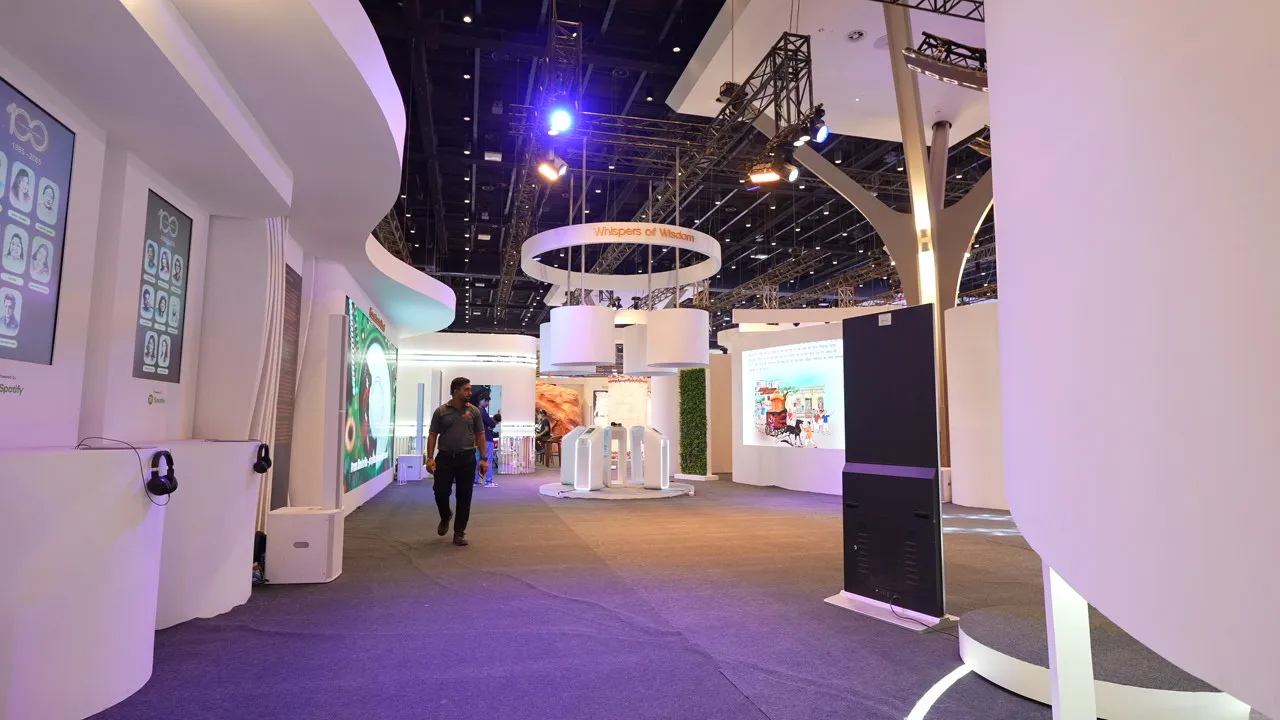
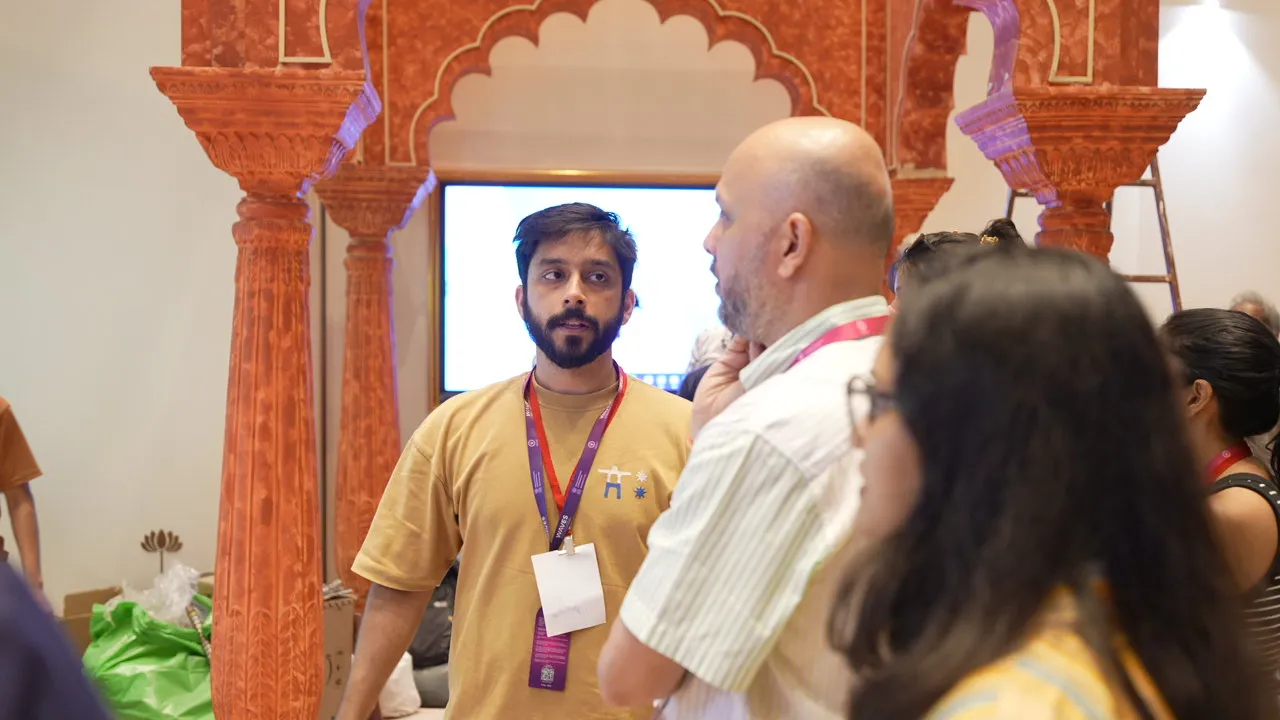
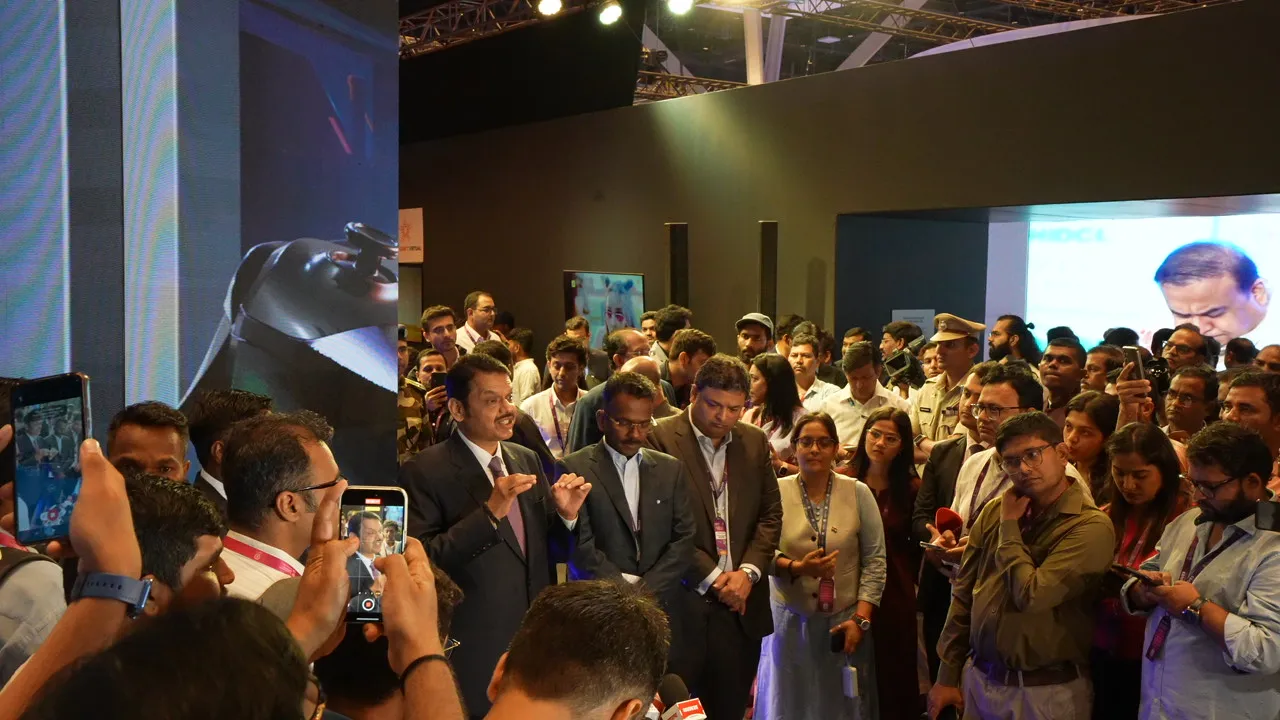
When WAVES 2025 brought together 100,000+ visitors at the Jio World Convention Centre, the design challenge for Jio Star's IIC Lab-built zones was exactly this: how do you create something memorable across a four-day summit where every hour of the day brings a different crowd with a different energy?
The five immersive experience zones IIC built for the event were each designed around a specific emotional goal — not a content goal. What should a visitor feel in this zone? What should their body do? What should surprise them?
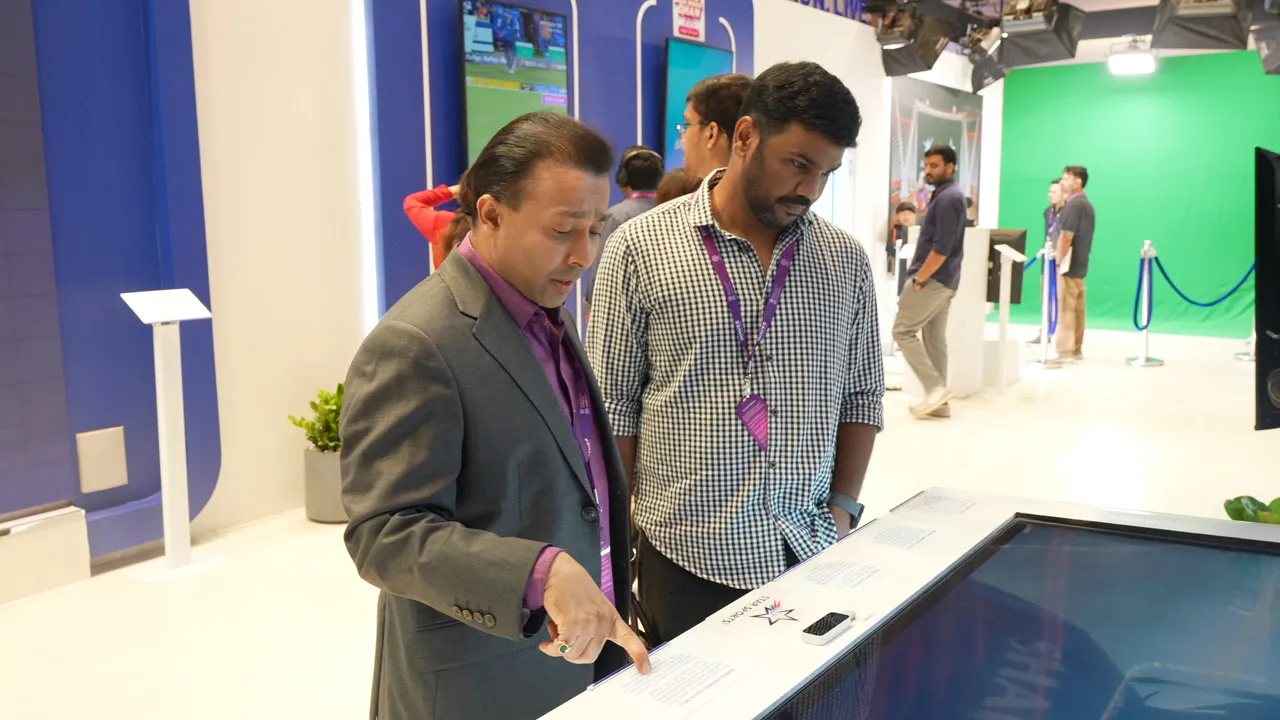
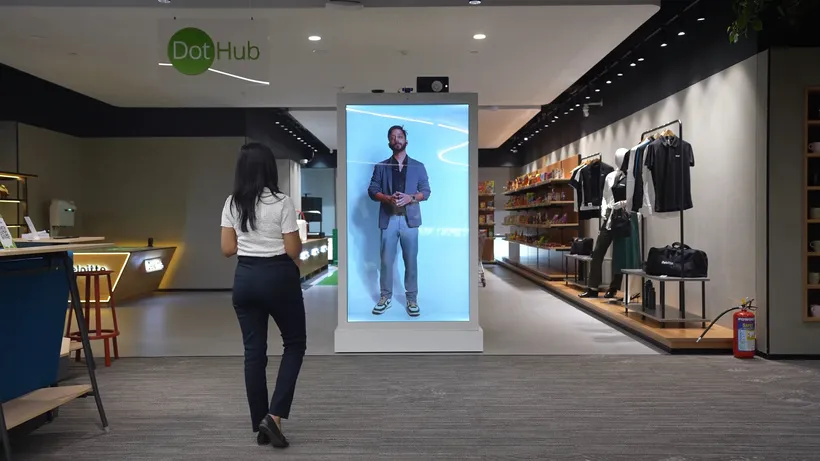
AR-infused games, motion tracking, real-time interactive environments — these weren't technologies chosen for their impressiveness. They were chosen because each one created a specific kind of participation. And participation is what creates recall.
When someone physically moves in response to a visual stimulus, when their gesture causes something to happen on a large screen in front of them, when they turn to their companion and say "try it, try it" — that moment is being encoded as memory. The brand behind the experience is being encoded with it.
Storytelling That Makes People Part of the Story
The oldest form of human communication is story. Long before we had writing, we had narrative — and narrative has survived because it's the format the human brain finds most natural for encoding and retrieving information.
The most powerful immersive brand experiences understand that they're telling a story. Not a product story, not a feature list — a brand story that has a beginning (the moment someone enters), a middle (the journey they take through the experience), and an end (the feeling they leave with).
The difference between a story about a brand and an experience inside a brand's story is the difference between passive and active. In a passive story, the visitor watches. In an immersive one, they're a character.
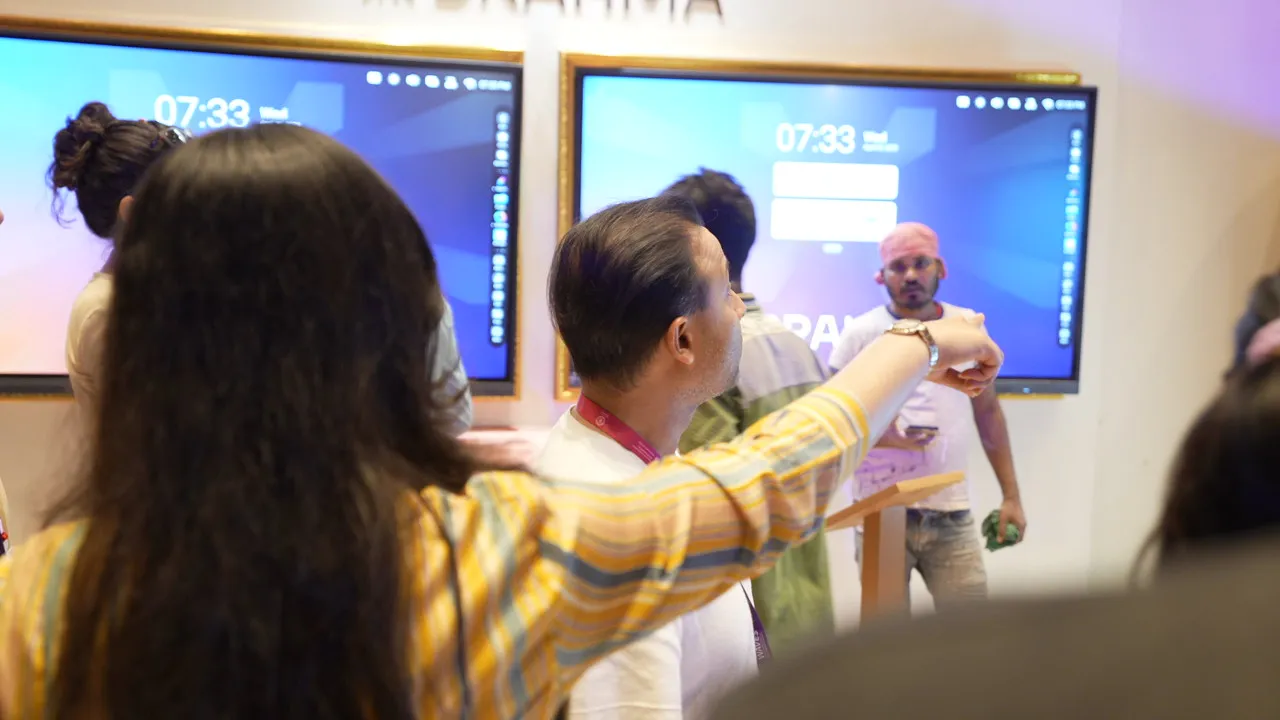
This is what IIC Lab built for Godrej Varanya: not a presentation about biodiversity living, but a journey through a biodiversity-integrated world. Visitors weren't told about the Sahyadri ecosystem — they explored it, responded to it, asked questions of it. They became, briefly, part of the story of a life lived alongside nature.
That kind of recall doesn't fade the way a brochure does.
Tips for Brands to Create Memorable Interactive Installations
If you're building toward the kind of brand experience that people carry with them after the event:
Design the ending first. What's the last thing someone feels or understands as they step out of the experience? Work backwards from that. Every element of the design should build toward that final emotional note.
Create genuine surprise. Not cheap surprise — earned surprise. A moment where what happens exceeds what someone expected to happen based on what they'd experienced so far. This is the moment that gets shared, retold, remembered.
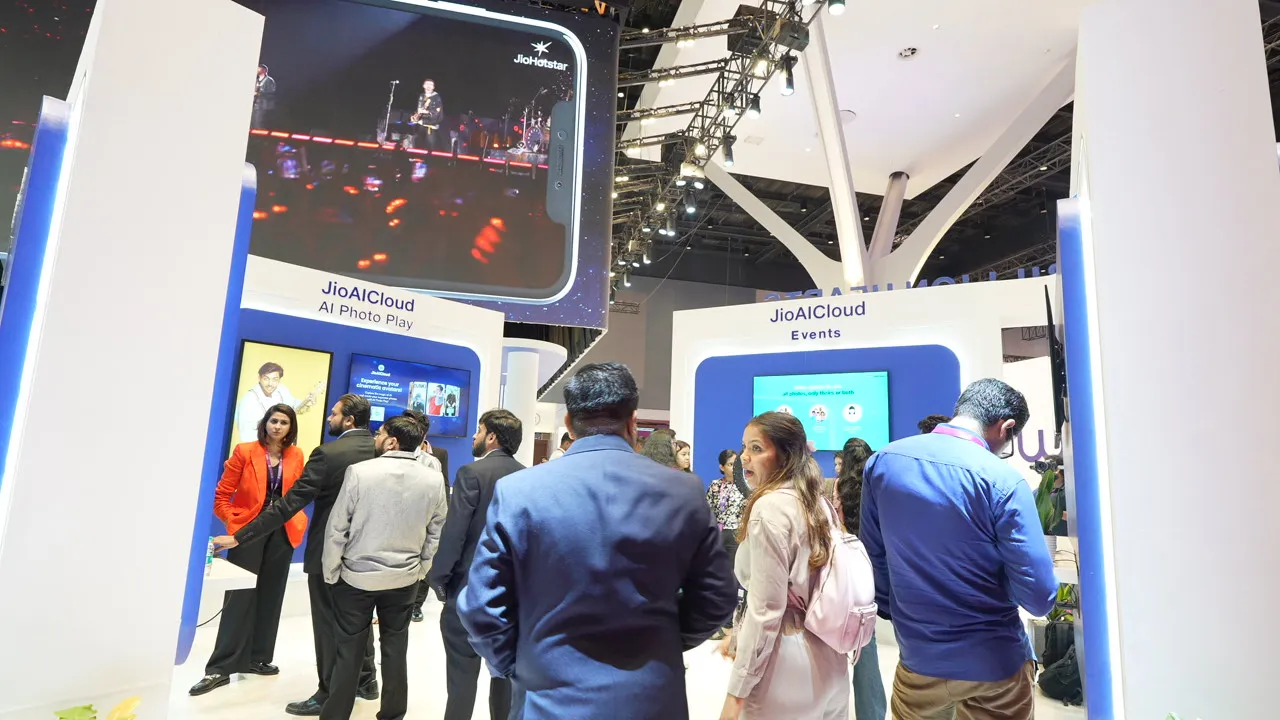
Make the interaction physical. Screen-based interactions are good. Interactions that involve the whole body are better. Motion tracking, gesture response, spatial computing — anything that gets the body involved deepens the memory.
Give people a role, not just an activity. There's a difference between pressing a button to see what happens and being given a character in a story. The latter creates ownership. Design experiences where the visitor has a role to play.
Leave a residue. Something the visitor takes away — a personalised output, a digital keepsake, a physical item — extends the memory beyond the experience itself. It also gives them a reason to share.
The brands that understand this design language are working at a meaningfully different level from those still treating events as display opportunities. If you want to see the difference in practice, IIC Lab's work across immersive experiences makes the contrast clear.
The Attention Economy Is Not a Metaphor
When we talk about what the attention economy is doing to experiential marketing, we're talking about something real and immediate. Every visitor at every event is making hundreds of micro-decisions per hour about where to direct their attention. The experiences that win those decisions aren't the loudest or the largest — they're the ones that feel different in a way the visitor's body responds to before their mind has even processed why.
That gut-level pull is what great immersive design creates. And it's what makes the difference between a brand that's remembered and one that's scrolled past.
Memory is made through experience. Let's create one worth having.
IIC Lab designs immersive brand experiences around interaction, storytelling, and the specific moments that create lasting recall. Start the conversation.























Sign in to leave a comment.