
Living Around Missing or Failing Teeth
You get used to chewing on one side, hiding your smile in photos or avoiding certain foods. A loose denture rubs, a broken tooth aches on and off and you are never sure when something will flare up. This “workaround” lifestyle drains confidence and complicates simple routines. Many people stay stuck here because they are unsure how implants are planned or worry the process will be confusing or risky.
Seeing the Big Picture First
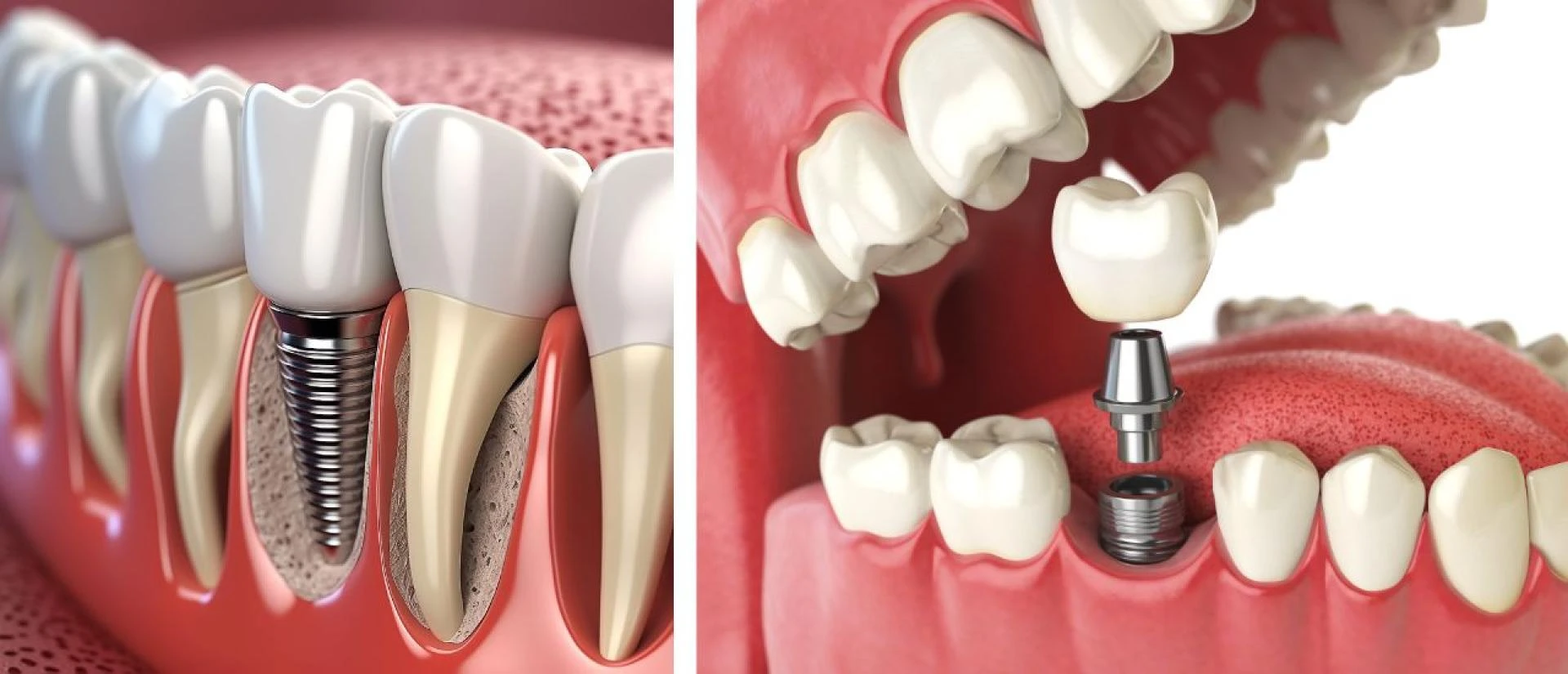
A strong result starts with a clear plan, not the surgical appointment. In “Implant Dentistry: How the Treatment Plan Is Built From Scan to Final Bite?” the first step is a full assessment. This includes a clinical exam, digital scans, photos and X-rays or 3D imaging to map bone, nerves and sinuses. Your medical history, medications and habits such as smoking are reviewed. The goal is to decide whether implants are suitable, how many are needed and which sites will give stable support for the final teeth. Ready for a confident smile? Discover expert dental implants near me – click to visit our site.
A Confident, Functional Bite
The “after” picture looks very different. You can chew on both sides, your bite feels balanced and the teeth look natural in your face. You no longer think about dentures slipping or gaps showing when you talk. A successful implant plan delivers more than a single tooth; it restores function, speech and comfort in everyday life. The route from scan to final bite is mapped carefully so that each visit moves you toward this stable outcome.
Designing the Implant Roadmap
Once scans are complete, the team designs the treatment sequence. This may include bone grafting, sinus lift or extractions before implants are placed. Digital planning software is often used to position each implant in 3D according to bone volume and the future tooth shape. From there, a staged plan is set: surgery date, healing period, temporary teeth and final crown or bridge. Clear timelines and written estimates help you understand what will happen and when.
Step-by-Step From Surgery to Final Bite
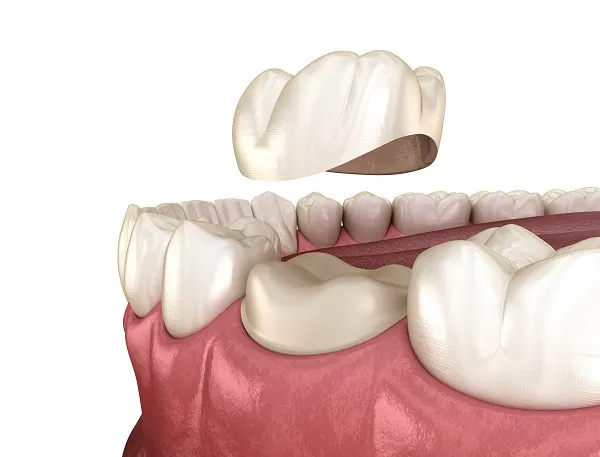
On surgery day, implants are placed following the digital plan, sometimes with a guided surgical stent. After placement, a healing period allows bone to integrate with the implant surface. During this time, you may wear a temporary crown, bridge or denture so you can function socially. Once integration is confirmed, impressions or digital scans guide the fabrication of the final teeth. The bite is adjusted so that contact is even and forces are spread across the implants.
Your Role in Long-Term Success
Your choices strongly influence results. Good daily cleaning around implants, regular maintenance visits and control of risk factors such as smoking and uncontrolled diabetes all protect the treatment. Report any looseness, soreness or chipping early so small adjustments prevent larger problems. When planning, ask clear questions about each phase from scan to final bite, so you stay informed and confident at every step.
Author Bio: -
Ansley has 12 years of experience in the dental world. You can find his thoughts at teeth alignment blog.


























Sign in to leave a comment.