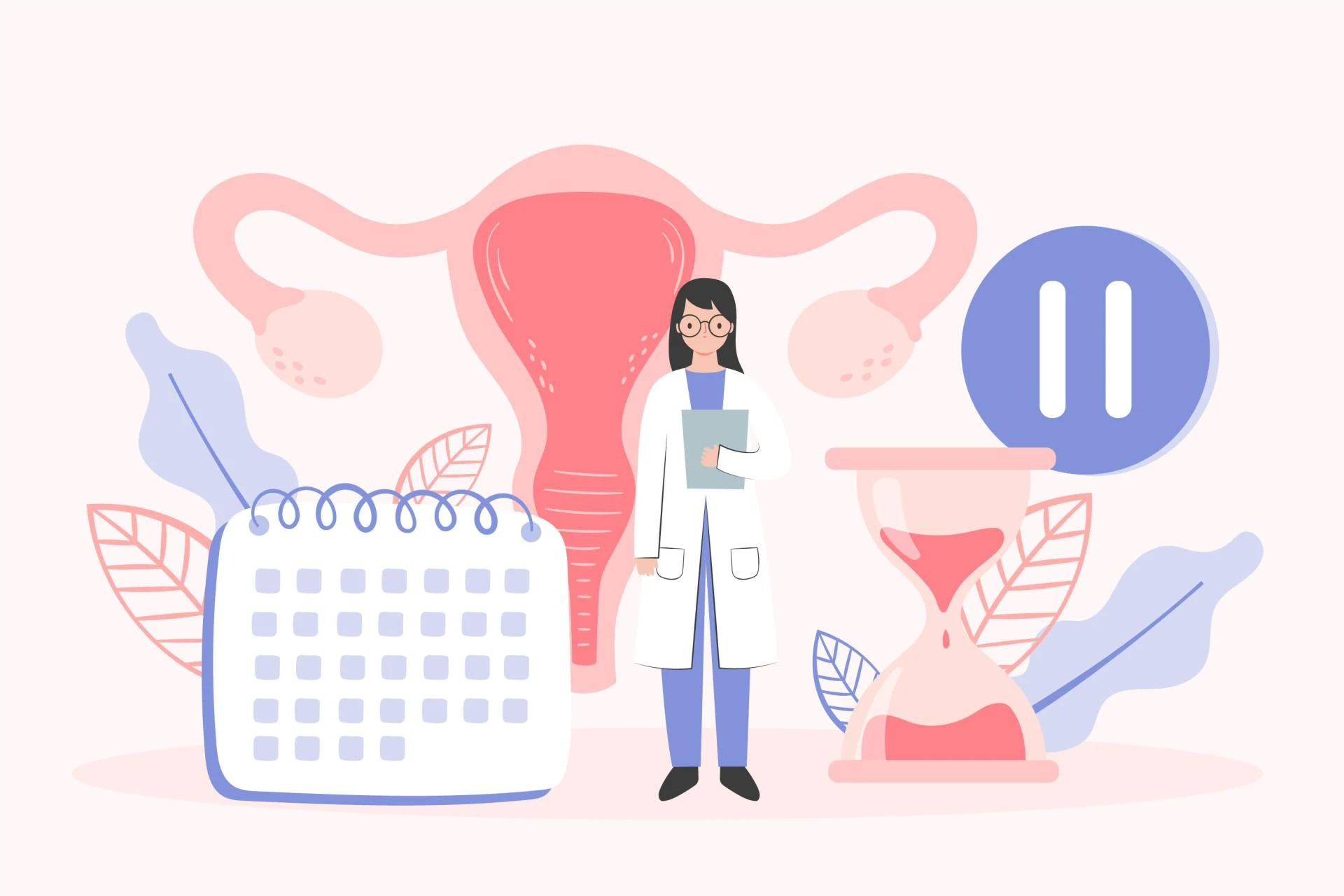

We learn about history, mathematics, and literature in school for years, but nobody ever takes the time to explain to us just how our own reproductive systems work. And then, before we know it, we are adults trying to deal with our own periods, hormones, fertility, and everything else, but have a very limited idea about just what is actually going on in our own bodies.
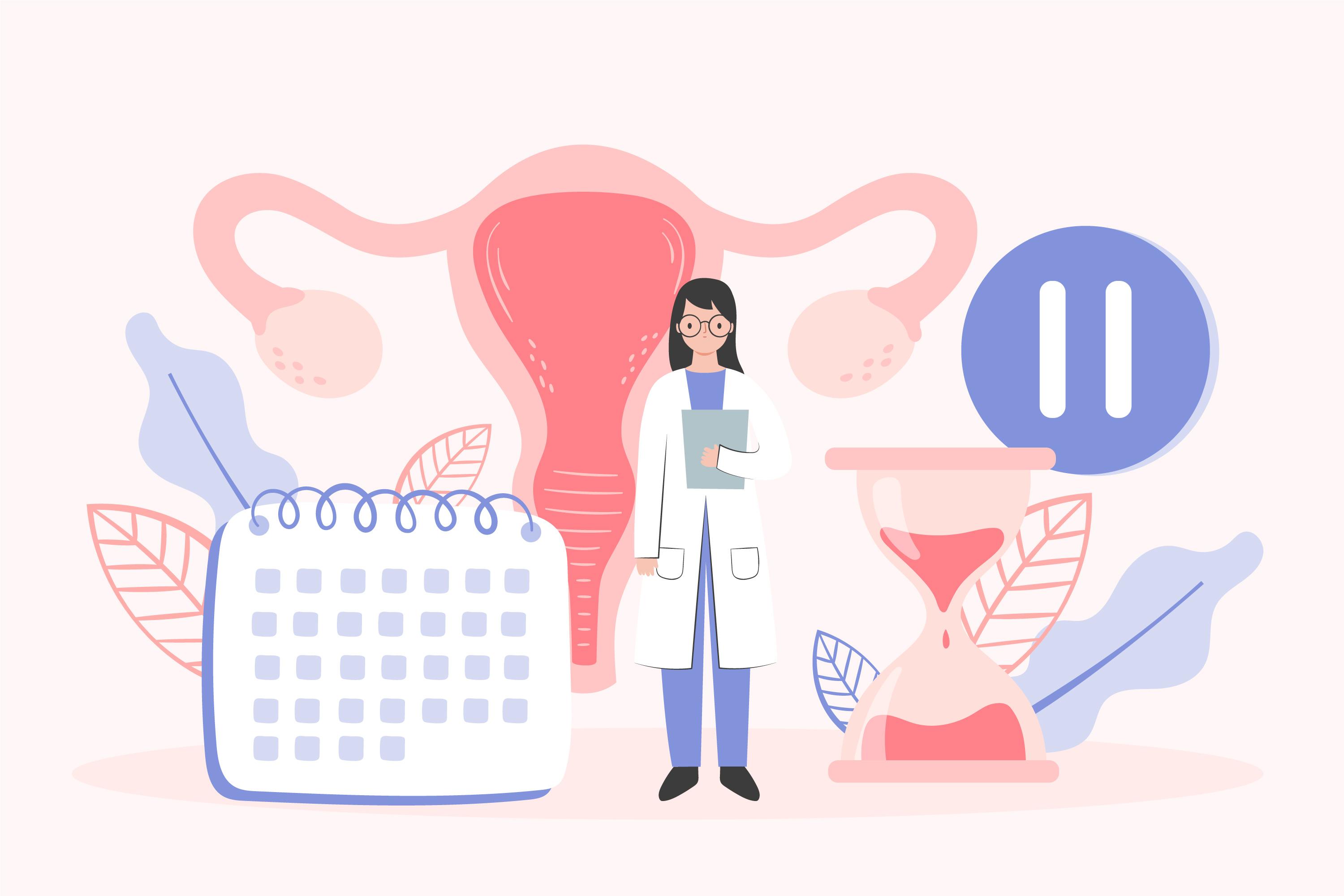
Awareness about reproductive health is not just about knowing how babies are made. It goes much deeper than that, and it is about very real people every single day.
What Reproductive Health Actually Covers
The common assumption is that reproductive health is only important when you are trying to get pregnant or trying to prevent getting pregnant. However, it is so much more than that. Reproductive health includes the health of your reproductive organs, the balance of hormones in your body, the regularity of your cycle, how your body feels at different times of the month, and how well you can detect when something is not quite right with your body. Good reproductive health is simply that your body is doing what it is supposed to do, and you know your own body well enough to know when it is not.
The Problem With Not Talking About It
Growing Up Without the Right Information
For many of us, reproductive health was not something that was ever discussed at the dinner table in our homes or communities. It was mentioned in school, but not to the extent that would give young people a real-world understanding of how their bodies change and function from month to month and year to year.
The truth is that most people learn as they go along from friends, the internet, and the occasional doctor’s visit. And the reality is that this kind of knowledge is riddled with holes, and those holes have consequences.
When Symptoms Are Written Off as Normal
This is the part of the process that really worries doctors and infertility specialists. Women will often live with excruciatingly painful periods, irregular cycles, bloating, heavy flow, and pelvic pain for years without ever mentioning it to a doctor. Not because they are careless but because somewhere along the way they were told or simply assumed that this is just what periods are like.
Many patients who eventually walk into the best IVF center for help conceiving have been living with a diagnosable and treatable condition for the better part of a decade. Endometriosis is a prime example. The average time between a woman first experiencing symptoms and actually receiving a diagnosis is still somewhere between seven and ten years in many parts of the world. That is a long time to be in pain and not know why.
What Awareness Actually Changes
Finding Problems Before They Become Bigger Problems
The conditions that most commonly affect fertility do not announce themselves loudly. PCOS, endometriosis, fibroids, thyroid imbalances and blocked fallopian tubes can all develop quietly over months and years. A woman who understands her body and pays attention to changes is far more likely to notice something is not quite right and follow up on it early.
Early detection genuinely changes outcomes. A fibroid caught before it grows large is far easier to manage than one discovered years later. A thyroid condition found during a routine blood test is far simpler to treat before it has been disrupting hormones for years unnoticed.
Protecting Yourself From Preventable Damage
Infections like chlamydia and gonorrhoea cause no symptoms in a large number of people who have them. They quietly cause internal scarring and damage to the fallopian tubes that only becomes apparent years later when a woman is trying to conceive and cannot understand why. Regular screening takes minutes and can prevent a lifetime of fertility complications.
Knowing that these infections exist, knowing how they spread and knowing that they can be present without any obvious signs is the kind of basic reproductive health awareness that makes a tangible difference.
The Emotional Side Nobody Talks About Enough
Hormones do not just control your cycle. They affect your mood, your sleep, your energy, your skin and your mental health in ways that are far more significant than most people appreciate. Women with undiagnosed hormonal imbalances often spend years struggling with anxiety, low mood or exhaustion and being told everything looks fine because nobody has looked at the right things.
Understanding that your emotional health and your reproductive health are deeply connected means you are more likely to push for the right tests and the right support rather than simply accepting that you feel off without knowing why.
What This Means for Fertility Specifically
Knowing Your Own Cycle
There is something genuinely useful about knowing your body well enough to understand your own menstrual cycle. Knowing roughly when you ovulate, what your energy feels like in different phases and what changes from month to month gives you a personal map that becomes invaluable when you start trying to conceive.
It also helps you notice quickly if something in your cycle shifts in a way that is worth paying attention to rather than months passing before you register that something has changed.
Knowing When to Ask for Help
One of the most common things an infertility specialist hears from patients is that they wish they had come in sooner. Many couples spend one two or even three years trying on their own before seeking support. Sometimes that is fine and things work out naturally. But sometimes those are years of unnecessary waiting during which a treatable issue is quietly making things harder.
Knowing that getting help at six months rather than eighteen months is not giving up but simply being sensible is the kind of awareness that changes outcomes for real families.
This Conversation Belongs to Men Too
Male reproductive health tends to get even less attention than female reproductive health and that needs to change. Sperm health is affected by stress, smoking, alcohol, heat, poor diet and several medical conditions that are entirely manageable once identified. Most men have never had a conversation with a doctor about their reproductive health and many do not know what healthy sperm parameters even look like.
When a couple is struggling to conceive the male side of the picture is just as important to investigate as the female side. Encouraging men to take their reproductive health seriously is not about placing blame. It is about getting to answers faster and making the process less emotionally exhausting for everyone involved.
Getting Checked Before You Need To
Waiting until something is clearly wrong before seeing a doctor is the approach most people take and it is understandable. But when it comes to reproductive health a routine check before problems arise is far more useful than a reactive appointment after they do.
Pre-pregnancy checkups, regular hormone panels and basic fertility assessments give you a clear baseline picture of where things stand. Doctors will always recommend a thorough preconception evaluation before beginning any treatment because starting with a complete picture leads to better decisions and better outcomes from the very beginning.
When You Need an Infertility Specialist
If something about your cycle or your attempts to conceive does not feel right please do not keep waiting and hoping it will sort itself out. Seeing an infertility specialist is not an admission of defeat. It is a practical step toward getting real answers from someone who has the training and the tools to find them.
A good infertility specialist will not rush you into treatment. They will take the time to understand your full history, run the right tests and explain what they find in a way that actually makes sense to you. That kind of informed and supported experience is very different from months of guessing on your own.
Final Thoughts
Reproductive health awareness is something every person deserves access to regardless of whether they are planning a family. It is about knowing your body, trusting what it is telling you and feeling empowered enough to act on that information when you need to.
The more openly we talk about reproductive health the sooner people get the care they need and the better outcomes become for everyone. When questions arise an infertility specialist is there to help you find answers and the best IVF center is there to support you through whatever comes next.




























Sign in to leave a comment.