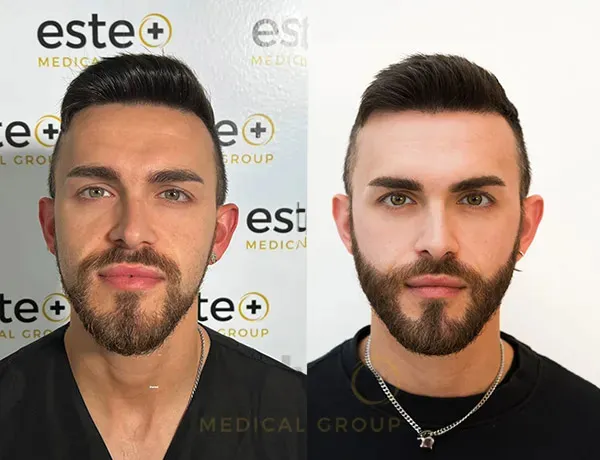

A fuller and more defined beard can influence facial appearance, symmetry, and overall confidence. For individuals experiencing patchy growth, sparse areas, or limited facial hair development, modern restoration methods may provide a personalised approach. Before deciding on treatment, understanding the process, suitability, expected results, and recovery requirements can help individuals make informed choices. A beard transplant may involve transferring healthy hair follicles from another area to carefully selected parts of the face, allowing new growth to develop naturally while complementing the individual's existing facial features.
Understanding Modern Beard Transplant Procedures
A modern beard transplant generally involves moving individual hair follicles from a suitable donor area to areas where facial hair appears thin or absent. The procedure is planned according to the individual's beard pattern, facial proportions, hair characteristics, and desired appearance. Careful placement is important because facial hair grows in particular directions and angles. A detailed assessment can therefore help establish a suitable treatment strategy. Understanding how follicles are selected and positioned can give prospective patients a clearer idea of what the procedure involves before making a decision.
Assessing Individual Beard Growth
Every person's facial hair pattern is different, which means treatment planning should be personalised rather than based on a standard design. Some individuals may want to improve density along the cheeks, while others may focus on the moustache, chin, jawline, or areas containing visible gaps. Existing hair thickness, growth direction, skin characteristics, and donor availability can all influence the recommended approach. A professional assessment can identify realistic possibilities and help establish a beard design that works naturally with the individual's facial structure and existing hair pattern.
Considering Facial Proportions
Facial proportions play an important role in creating an attractive beard appearance. A design that suits one individual may not necessarily complement another person's features. The proposed beard shape can therefore be considered alongside the width of the face, jawline definition, cheek structure, and natural hair pattern. Careful planning can help avoid an overly dense or artificial appearance. When follicle placement follows the natural direction of existing facial hair, the eventual growth may blend more effectively with surrounding areas and create a more balanced overall appearance.
Evaluating Donor Hair Availability
The availability and quality of donor hair are important factors when considering facial hair restoration. Hair follicles are commonly obtained from areas where growth is sufficiently strong and consistent. The number of available follicles can influence how much coverage or density may realistically be achieved. During an assessment, donor hair characteristics can be examined alongside the individual's restoration goals. Understanding these limitations beforehand can help establish realistic expectations and prevent assumptions about achieving a particular beard density when the available donor supply may not support it.
Matching Hair Characteristics
The characteristics of donor hair can influence the appearance of the final beard. Texture, thickness, colour, curl pattern, and growth behaviour may vary between different areas of the body. A suitable treatment plan considers these differences when selecting follicles for facial placement. Matching the transplanted follicles as closely as possible with existing facial hair can contribute to a more cohesive result. Individuals should therefore discuss their natural hair characteristics during consultation and understand how these factors could influence the appearance and development of the restored beard.
Planning Follicle Placement
Precise follicle placement is particularly important for facial restoration because beard hair follows specific growth angles. The direction of each follicle can influence how the beard eventually appears when it grows. A professional approach may involve creating a detailed pattern that follows natural facial hair direction while providing appropriate coverage. The placement strategy can also vary between the cheeks, chin, jawline, and moustache. Understanding this aspect of treatment helps individuals appreciate why careful planning and technical precision are essential for achieving natural looking facial hair.
Understanding Treatment Expectations
Having realistic expectations is one of the most important considerations before undergoing a beard restoration procedure. Transplanted follicles require time to establish themselves, and visible changes may develop gradually rather than immediately. Individuals should understand that the final appearance can take several months to become apparent as new growth progresses through its natural cycle. A consultation can provide guidance about likely development, density, and overall appearance. Clear expectations can make the treatment experience more manageable and reduce disappointment caused by expecting immediate or unusually rapid results.
Recognising the Growth Timeline
Hair growth following transplantation occurs gradually because follicles need time to settle and begin producing new strands. Some transplanted hairs may initially shed as part of the normal growth cycle before new hair develops. This temporary phase does not necessarily indicate treatment failure. Individuals should therefore avoid judging the final outcome too early. Following professional aftercare guidance and allowing sufficient time for the follicles to mature can support a more accurate assessment of the eventual beard appearance. Patience is an important part of the restoration process.
Understanding Possible Variations
Results can vary between individuals because biological factors, donor hair characteristics, existing facial hair, and follicle behaviour are not identical for everyone. Some people may experience faster visible development, while others may require more time before significant changes become noticeable. Density can also differ between treated areas. A professional assessment can help explain these variations and provide realistic guidance based on individual circumstances. Understanding that restoration outcomes are personal rather than guaranteed to follow an identical pattern can help individuals approach treatment with more balanced expectations.
Considering Recovery and Aftercare
Recovery requirements should be considered before scheduling a beard transplant. The treated facial area may experience temporary redness, swelling, sensitivity, or small visible marks following the procedure. These effects generally form part of the normal healing process, although individual experiences can differ. Proper aftercare can support healing and help protect newly placed follicles. Individuals should understand the instructions provided by their treatment professional, including guidance about touching the area, washing the face, physical activity, and exposure to environmental factors during the early recovery period.
Following Professional Instructions
Aftercare instructions can vary according to the treatment approach and individual circumstances. Patients may receive specific guidance about cleansing, sleeping positions, skincare products, physical activity, and protecting the treated area. Following these recommendations carefully can reduce unnecessary irritation and support the healing process. Individuals should avoid introducing unapproved products or changing their routine without professional advice during the initial recovery period. Clear communication with the treatment provider is also useful if unexpected discomfort, prolonged irritation, or other concerns develop after treatment.
Allowing Adequate Healing Time
The early healing period requires patience because the transplanted follicles need time to settle into their new positions. Individuals may need to temporarily modify certain everyday activities depending on professional recommendations. Protecting the treated area from unnecessary pressure or irritation can be particularly important during this stage. Although many people can gradually return to normal routines, the precise timeline differs according to the procedure and individual recovery. Understanding this before treatment allows patients to plan work, social activities, exercise, and other commitments more comfortably.
Reviewing Long Term Beard Goals
A beard transplant should be considered as part of a longer term appearance plan rather than simply an immediate cosmetic change. Individuals may want to maintain a particular beard length, create stronger jawline definition, improve cheek coverage, or address isolated gaps. Discussing these goals during consultation can help determine an appropriate restoration design. It can also help ensure that the transplanted follicles are positioned in a way that remains suitable as facial hair continues to develop. Long term planning can therefore contribute to a more satisfying and practical outcome.
Thinking About Beard Style
Personal beard preferences can influence the treatment design. Someone who prefers short stubble may require a different distribution of follicles compared with an individual who regularly maintains a fuller beard. Future grooming preferences can therefore be discussed before treatment begins. Considering how the beard may be styled after growth develops can help determine where additional density could be most beneficial. A flexible design may also allow individuals to change their preferred beard length or shape without making the transplanted areas appear noticeably different from surrounding facial hair.
Considering Future Changes
Facial hair patterns can change over time, particularly when natural hair density varies with age or other individual factors. A treatment plan should therefore consider the possibility of future changes rather than focusing only on the current appearance. Preserving a natural looking distribution can help maintain balance as surrounding facial hair develops. Individuals may also benefit from discussing whether their existing beard density is likely to remain stable. This broader perspective can make treatment planning more thoughtful and help support a consistent appearance over the longer term.
Choosing an Appropriate Treatment Provider
Selecting a qualified and experienced treatment provider is an important part of the decision making process. Individuals should consider the provider's experience with facial hair restoration, approach to treatment planning, consultation process, and ability to explain realistic outcomes. Clear communication is especially valuable because beard restoration requires attention to fine details involving direction, angle, spacing, and facial proportions. Patients should feel comfortable asking questions about the procedure, recovery, possible outcomes, and aftercare. A thorough consultation can provide useful information before any commitment is made.
Asking Relevant Questions
Prospective patients can prepare questions before attending a consultation to ensure important concerns are addressed. Useful topics may include donor hair suitability, expected density, treatment stages, recovery requirements, possible risks, aftercare, and the anticipated growth timeline. Asking how the beard design will be planned can also provide insight into the approach being considered. Individuals should seek clear explanations rather than relying on assumptions. A transparent consultation can help patients understand both the potential benefits and the practical limitations associated with modern facial hair restoration.
Reviewing Treatment Suitability
Not everyone will necessarily be an ideal candidate for beard restoration. Suitability can depend on donor hair availability, existing facial hair, individual health considerations, expectations, and the condition of the treatment area. A professional assessment can help determine whether the procedure is appropriate and what type of result may be achievable. Individuals should be prepared for the possibility that alternative approaches may be recommended if transplantation is unsuitable. Making a decision based on professional evaluation rather than pressure can contribute to a safer and more informed treatment journey.
Understanding the Importance of Natural Results
Natural appearance should remain a central consideration when evaluating facial hair restoration. Excessive density, incorrect growth angles, or poorly planned hairline placement can make transplanted facial hair appear less natural. A carefully designed procedure aims to integrate new follicles with existing facial hair while respecting natural growth patterns. Attention to spacing and direction can be particularly important around the cheeks and moustache. Individuals should therefore focus not only on the number of transplanted follicles but also on how effectively those follicles can contribute to a balanced and believable beard appearance.
Balancing Density and Definition
More hair does not always mean a better result. Appropriate density should complement the individual's facial structure and existing growth rather than creating an overly uniform appearance. Strategic placement can sometimes provide stronger visual definition without requiring excessive follicle use. The cheeks, chin, moustache, and jawline may each require different levels of coverage depending on the desired style. A balanced approach can help preserve a natural appearance while improving areas affected by sparse growth. Discussing density preferences during consultation can make treatment planning more closely aligned with personal expectations.
Considering Overall Appearance
The success of a beard restoration should be considered in relation to the entire face rather than one isolated area. Beard shape can influence perceptions of jawline definition, facial balance, and overall appearance. A well planned design should therefore complement existing features rather than drawing unnecessary attention to transplanted areas. Individuals may benefit from considering how the beard will look from different angles and at different lengths. This broader perspective can help create a restoration plan that supports facial harmony and remains practical for everyday grooming.
Making an Informed Treatment Decision
Choosing a beard restoration procedure involves more than deciding whether additional facial hair is desired. Individuals should consider suitability, donor availability, treatment design, expected growth, recovery, aftercare, long term goals, and provider experience. Taking time to understand these factors can support a more confident decision. A detailed consultation provides an opportunity to discuss individual concerns and establish realistic expectations. When patients understand what the procedure can and cannot achieve, they are better positioned to approach treatment with appropriate preparation and a clearer understanding of the potential journey.
Preparing for Consultation
Preparation before consultation can make the assessment more productive. Individuals may wish to consider their preferred beard style, areas of concern, desired density, previous hair restoration experiences, and any questions about treatment or recovery. Being open about expectations can help the professional create a more suitable treatment plan. Photographs or examples of preferred beard shapes may also assist communication. The consultation should provide enough information for the individual to understand the proposed approach, expected development, aftercare requirements, and factors that could influence the eventual appearance.
Conclusion
A modern beard transplant can provide an option for individuals seeking improved facial hair density, stronger definition, or greater coverage in areas affected by sparse growth. Careful assessment, suitable donor hair, precise follicle placement, realistic expectations, and appropriate aftercare all contribute to the treatment journey. Considering personal beard goals and long term appearance can also support better planning. Individuals who are exploring facial hair restoration can benefit from professional guidance before making a decision. For those seeking personalised support and informed treatment planning, Este Medical Group can provide a professional setting for exploring suitable hair restoration options.






















Sign in to leave a comment.