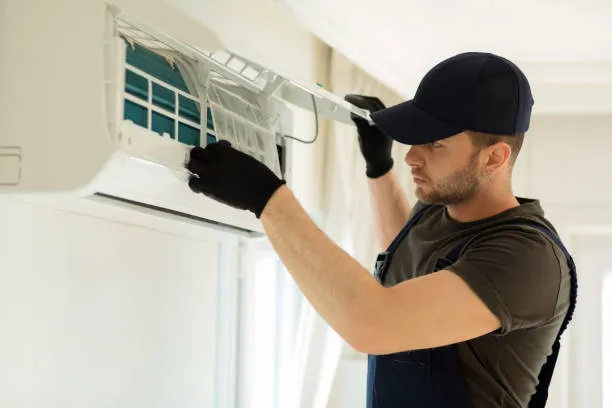

Before a new cooling system is installed, homeowners should consider several factors that can influence comfort, efficiency, and long term performance. Selecting equipment without evaluating the property may result in an unsuitable system or unexpected installation challenges. A professional assessment can consider the home's size, insulation, windows, ductwork, electrical capacity, and typical cooling demands. Understanding these factors gives homeowners a clearer basis for making decisions. Careful planning before an air conditioning Install can also help reduce unnecessary expenses and ensure that the selected system is appropriate for the property's specific requirements.
Choosing the Correct System Size
System capacity should match the home's actual cooling needs rather than simply copying the capacity of an older unit. An undersized system may struggle during hot weather, while an oversized system can cycle too frequently and provide less effective humidity control. A professional contractor can evaluate relevant property characteristics before recommending capacity. Homeowners should ask how the recommended size was determined and whether a detailed assessment was performed. Proper sizing supports more consistent temperatures, efficient operation, and comfortable indoor conditions while reducing the likelihood of performance problems caused by unsuitable equipment.
Evaluating Existing Ductwork
Existing ductwork can significantly affect how well a new air conditioning system performs. Leaks, poor insulation, restrictions, damaged sections, or incorrect duct sizes can reduce airflow and increase energy waste. Homeowners should ask the contractor to inspect accessible ductwork before installation begins. If problems are found, the contractor should explain whether repairs or modifications are necessary. Installing new equipment without addressing significant airflow problems may prevent the homeowner from receiving the expected benefits. Evaluating the entire air distribution system helps create a more effective foundation for the new cooling equipment.
Considering Equipment Efficiency
Air conditioning equipment can differ in efficiency, operating characteristics, controls, and expected performance. Homeowners should consider both initial purchase costs and long term operating expenses when comparing options. A highly efficient system may have a higher initial cost but could offer better energy performance over its useful life. However, efficiency should be considered alongside proper sizing and installation quality. A system that is poorly sized or installed may not deliver its expected benefits. Contractors should explain efficiency ratings in practical terms so homeowners can make an informed decision.
Planning Equipment Placement
The location of indoor and outdoor equipment can influence airflow, noise, accessibility, drainage, and maintenance. Outdoor equipment requires sufficient clearance for proper ventilation, while indoor equipment needs appropriate space for service access. Homeowners should discuss possible installation locations with the contractor before work begins. The selected position should meet technical requirements while also fitting the property's practical needs. Poor placement can make future maintenance more difficult or affect system performance. Planning the location carefully can help ensure that the equipment remains accessible and operates effectively throughout its service life.
Checking Electrical Requirements
New air conditioning equipment may require different electrical support than the existing system. Before installation, the contractor should evaluate relevant wiring, breakers, disconnects, and other electrical components. If modifications are necessary, homeowners should understand what work is involved and whether it is included in the project estimate. Electrical connections should always be handled by appropriately qualified professionals. Correct electrical preparation supports safe and reliable equipment operation. Addressing these requirements before installation begins can also reduce delays and unexpected costs during the project.
Understanding Drainage Needs
Air conditioning systems naturally produce condensation during cooling. That moisture needs a suitable drainage path to prevent water from accumulating around the equipment. Homeowners should ask how condensate will be collected and discharged before the installation begins. The contractor should account for the equipment location, drainage routing, and any necessary safety components. Poor drainage planning can lead to leaks, moisture damage, or unpleasant odors. Proper condensate management is therefore an important part of installation planning and should be considered alongside equipment capacity and electrical requirements.
Reviewing Installation Costs
Homeowners should request a detailed written estimate before approving a significant installation project. The proposal should explain equipment, labor, materials, removal of old equipment, electrical modifications, ductwork changes, drainage work, and other applicable costs. Comparing detailed proposals can reveal differences between contractors that are not obvious from the final price alone. Homeowners should also ask whether permits or additional work could affect the final cost. Clear pricing helps establish realistic expectations and reduces the possibility of unexpected charges once installation has started.
Checking Warranty Coverage
Warranty terms should be understood before new equipment is installed. Equipment warranties may differ from workmanship guarantees, and certain conditions may apply to maintain coverage. Homeowners should ask what documentation they will receive and how warranty related concerns will be handled. Written information is especially useful for future reference. Understanding warranty coverage can also help homeowners compare installation proposals based on overall value. A professional contractor should explain warranty responsibilities clearly rather than leaving customers to interpret complicated terms after the project is complete.
Considering Future Maintenance
A new air conditioning system still requires regular maintenance after installation. Filters need attention, drainage systems may require inspection, and mechanical and electrical components benefit from periodic professional evaluation. Homeowners should ask the contractor about recommended maintenance intervals and which tasks can be handled safely without professional assistance. Planning for future service can help preserve efficiency and identify developing concerns earlier. Installation should therefore be viewed as the beginning of the system's service life rather than the end of the project. Good maintenance habits can support dependable cooling for years.
Evaluating Contractor Experience
The quality of installation depends heavily on the contractor performing the work. Homeowners should evaluate relevant experience, qualifications, insurance, customer feedback, communication, and warranty policies before making a selection. It is useful to ask whether the contractor has completed similar residential installations and understands the property's particular requirements. A qualified professional should explain the recommended system and installation approach clearly. Comparing contractors based on overall value rather than price alone can help homeowners avoid poor workmanship and establish a stronger foundation for long term equipment performance.
Preparing the Property
The installation area should be accessible before technicians arrive. Homeowners may need to move furniture, clear storage areas, or provide access to indoor and outdoor equipment locations. If old equipment is being removed, the contractor should explain whether removal and disposal are included. Preparing the property can help technicians work efficiently and reduce the likelihood of accidental damage. Homeowners should also ask whether any special preparations are required. A little planning before installation day can make the process smoother and help ensure that the project proceeds according to schedule.
Conclusion
An air conditioning installation involves many decisions beyond selecting equipment. Homeowners should consider system sizing, ductwork, efficiency, placement, electrical requirements, drainage, cost, warranties, maintenance, contractor qualifications, and property preparation. Careful planning can reduce unexpected problems and help ensure that the new system delivers the expected comfort and performance. Homeowners should take time to compare proposals and ask questions before approving the work. For professional assistance with planning and completing a new cooling system, Green Air Engineering can provide knowledgeable support focused on reliable installation and long term indoor comfort.

























Sign in to leave a comment.