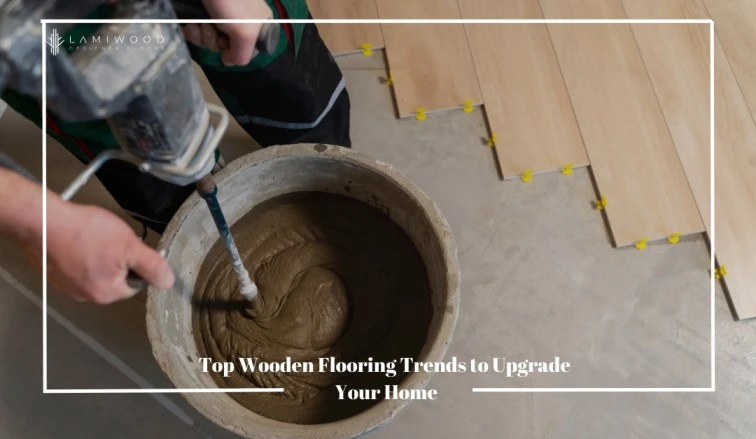

Wooden flooring can add a touch of elegance and warmth to any home. However, installing wooden flooring is a significant investment that requires careful planning and execution. This article will guide you through the essential aspects of wooden flooring installation, ensuring you make informed decisions for a successful project.
Types of Wooden Flooring
Solid Hardwood
Solid hardwood flooring is made from a single piece of timber. It offers timeless beauty, durability, and the ability to be sanded and refinished multiple times. However, it is susceptible to moisture and temperature changes, making it less suitable for basements or areas with high humidity.
Engineered Wood
Engineered wood flooring consists of multiple layers of wood veneer. The top layer is real hardwood, giving it the appearance of solid wood, while the underlying layers provide stability. This type of flooring is more resistant to moisture and temperature fluctuations, making it a versatile choice for various environments.
Pre-Installation Considerations
Subfloor Preparation
A well-prepared subfloor is crucial for a successful installation. It should be clean, dry, level, and structurally sound. Any existing flooring materials, such as carpet or vinyl, should be removed, and the subfloor should be inspected for damage. Repair any cracks or uneven areas to ensure a smooth installation surface.
Acclimatization
Wood is a natural material that expands and contracts with changes in temperature and humidity. To minimize the risk of warping or gaps, allow the wooden flooring to acclimatize to the room conditions for at least 48 to 72 hours before installation. This involves storing the planks in the installation area, unboxed and spread out.
Moisture Testing
Moisture is the enemy of wooden flooring. Conduct moisture tests on both the subfloor and the flooring material to ensure they are within acceptable levels. This step is particularly important for concrete subfloors, which can retain moisture for a long time.
Installation Methods
Nail-Down Method
The nail-down method involves nailing the wooden planks directly to the subfloor. This method is suitable for solid hardwood wooden flooring design and can provide a very stable and durable floor. It requires the use of a flooring nailer and is best performed by professionals or experienced DIY enthusiasts.
Glue-Down Method
In the glue-down method, the adhesive is applied to the subfloor, and the wooden planks are laid on top. This method is commonly used for engineered wood flooring. It provides excellent stability and is ideal for installations over concrete subfloors.
Floating Floor Method
The floating floor method involves fitting the planks together using a tongue-and-groove system, without attaching them to the subfloor. This method is quick and easy, making it a popular choice for DIY installations. It is suitable for engineered wood and laminate flooring.
Finishing Touches
Sanding and Sealing
If you have chosen unfinished wood flooring, sanding and sealing are essential steps to achieve a smooth, even surface. Sanding removes any imperfections while sealing protects the wood and enhances its appearance. Pre-finished wood flooring eliminates the need for these steps, saving time and effort.
Baseboards and Trim
Installing baseboards and trim gives your flooring a polished look. These elements cover the expansion gap left around the room's perimeter and provide a seamless transition between the floor and walls. Choose a style that complements your flooring and overall decor.
Maintenance Tips
Regular Cleaning
Keep your wooden floors looking their best by sweeping or vacuuming regularly to remove dirt and debris. Use a damp mop with a wood-friendly cleaner to maintain the finish. Avoid using excessive water or harsh chemicals, as these can damage the wood.
Protecting Your Floors
Place mats at entryways to reduce the amount of dirt and moisture tracked onto the floor. Use felt pads under furniture legs to prevent scratches, and avoid dragging heavy items across the floor. Maintain consistent indoor humidity levels to minimize wood expansion and contraction.
Conclusion
Installing wooden flooring is a rewarding project that can significantly enhance the beauty and value of your home. By understanding the different types of wooden flooring, preparing the subfloor, choosing the appropriate installation method, and maintaining your floors, you can ensure a successful installation and enjoy the timeless appeal of wooden flooring for years to come.


























Sign in to leave a comment.