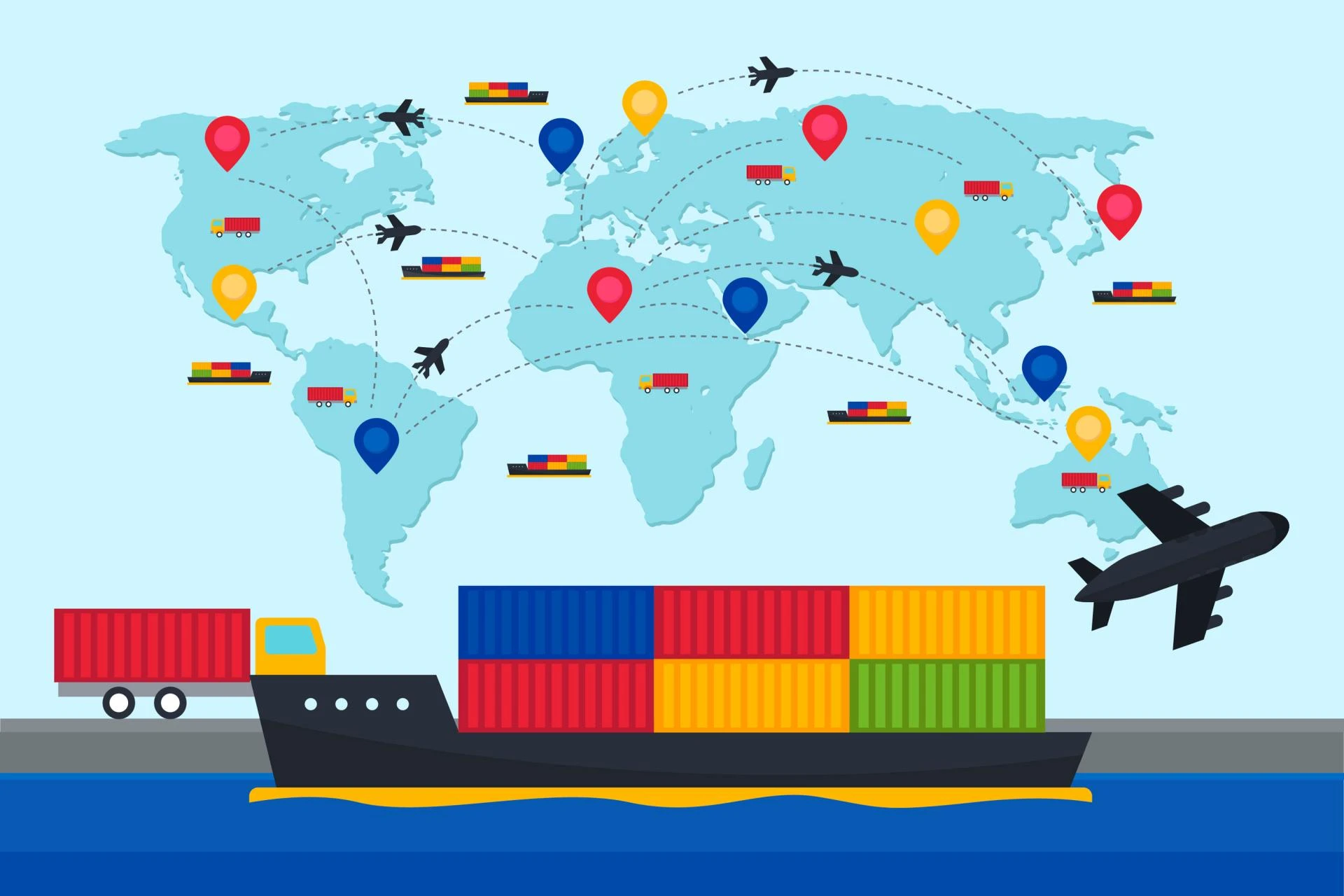
Global trade continues to open exciting doors for businesses that dream big and think beyond borders. In this positive landscape, regulatory clarity becomes a strong foundation for confident growth. When businesses clearly understand the purpose of different registrations, international expansion feels smoother, smarter, and far more rewarding.
Among the most discussed topics in cross border commerce is the distinction between trade related authorization and domestic tax compliance. Both play uplifting roles in strengthening credibility, improving transparency, and creating trust with partners and authorities. Knowing how each one supports business operations allows entrepreneurs to move forward with clarity and optimism.
Understanding Trade Authorization for International Business
For businesses stepping into overseas markets, Importer Exporter Code serves as a powerful gateway to international trade. It represents official recognition that enables organizations to legally engage in import and export activities. This authorization reflects readiness, professionalism, and alignment with global trade practices, offering businesses the confidence to collaborate internationally.
Trade authorization focuses on movement of goods and services across national borders. It simplifies customs procedures, enhances acceptance among global partners, and promotes seamless transactions. Businesses with proper authorization often experience smoother logistics, faster processing, and stronger international credibility, all of which contribute to sustainable growth.
The Role of GST in Domestic and International Transactions
Goods and Services Tax brings harmony and simplicity to taxation by unifying various indirect taxes under a single transparent system. It supports businesses by streamlining compliance, promoting accountability, and encouraging fair trade practices. GST plays a constructive role in building trust between businesses and tax authorities.
This tax framework applies to domestic sales as well as international transactions that have tax implications. It ensures accurate reporting, smooth credit flow, and financial discipline. By following GST norms, businesses present themselves as responsible and forward thinking entities, ready to scale with confidence.
Key Differences That Empower Better Decisions
Understanding how trade authorization and GST differ helps businesses align their strategies effectively. While both contribute positively to operations, they serve unique purposes that complement each other beautifully.
- Trade authorization supports cross border movement and global recognition
- GST focuses on tax compliance, transparency, and financial reporting
- One enables international trade participation while the other strengthens fiscal discipline
- Both together create a balanced and trustworthy business structure
This clarity empowers entrepreneurs to plan efficiently, avoid confusion, and focus on opportunities that lead to long term success.
How Each Registration Supports Business Growth
Businesses that understand compliance as an enabler rather than a hurdle often experience remarkable progress. With Importer Exporter Code, companies gain access to international markets, global suppliers, and overseas customers. This opens doors to diversification, higher revenue potential, and brand expansion.
GST complements this journey by ensuring financial systems remain organized and compliant. It supports smoother accounting, efficient cash flow management, and enhanced credibility with stakeholders. Together, these frameworks encourage stability, confidence, and scalable growth.
Why Businesses Benefit from Having Both
A positive compliance mindset transforms regulations into strategic advantages. Trade authorization allows goods and services to move freely across borders, while GST ensures that transactions remain transparent and well documented. This dual approach strengthens operational efficiency and reputation.
Businesses that align both aspects enjoy seamless coordination between logistics and finance. They also gain peace of mind knowing that their operations reflect integrity, professionalism, and readiness for expansion in competitive markets.
Choosing the Right Path with Confidence
Understanding the distinction between trade authorization and taxation creates clarity and confidence for business owners. When companies recognize the specific role of Importer Exporter Code, they can approach international opportunities with preparedness and enthusiasm. GST then supports this journey by reinforcing strong financial foundations.
In the evolving world of global commerce, informed decisions lead to sustainable success. Organizations like Masagaia focus on guiding businesses with positivity, clarity, and expertise, ensuring that every step toward compliance becomes a step toward growth, trust, and long term global achievement.




























Sign in to leave a comment.