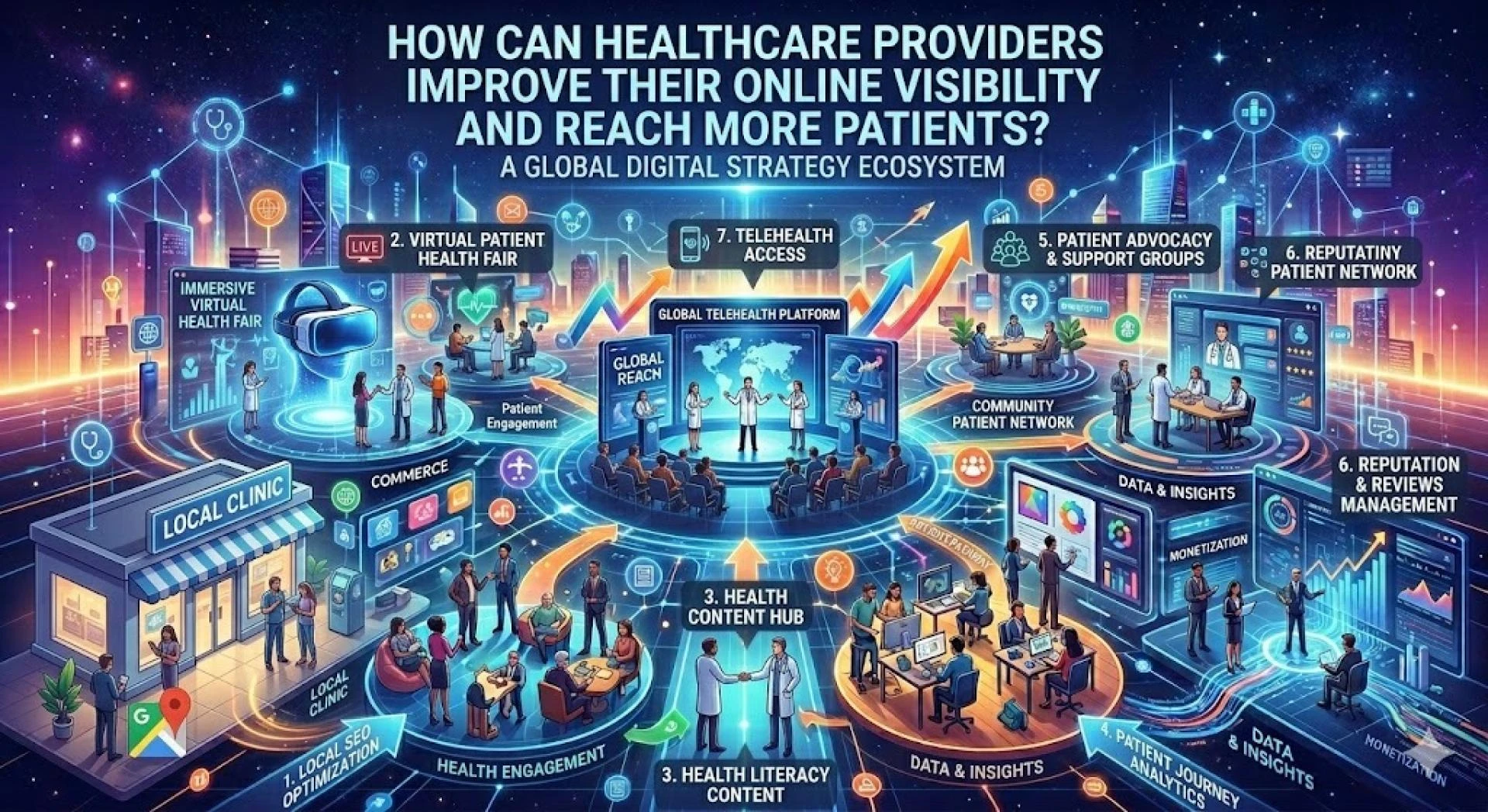

Most patients look online before picking a doctor, clinic, or healthcare service today. People now turn to search engines first when making healthcare decisions. People use them to find specialists, read reviews, or check symptoms.
Due to this shift, healthcare providers must have a strong online presence. This makes it easy for potential patients to find your services. Improving your online visibility requires more than just having a website. It involves smart digital strategies, useful content, and a strong online presence.
Healthcare SEO experts help medical organizations boost their online presence. They connect with patients looking for healthcare services.
Here are some smart tips for healthcare providers: use them to boost your online presence and connect with more patients.
1. Build a User-Friendly and Mobile-Responsive Website
A website is often the first interaction a patient has with a healthcare provider. A slow website can turn away potential patients. If the website is hard to navigate or doesn’t work on mobile, users may leave without exploring the services.
A good healthcare website needs to offer clear information. It should load in a short time and be simple to navigate.
Important features of an effective healthcare website include:
- Design that is suitable for mobile devices
- Fast loading speed
- Clear service pages
- Online appointment scheduling
- Contact information and location details
- Patient testimonials
A well-structured website boosts user experience. It also helps search engines understand the content. This can lead to better search rankings.
Many medical organizations team up with healthcare SEO experts. This helps make their websites easy to use and well-optimized.
2. Optimize for Local Search Results
Most healthcare searches are location-based. Patients often search for terms like “doctor near me” or “clinic in [city].” This makes local SEO one of the most important strategies for healthcare providers.
Optimizing for local search helps medical practices appear on Google Maps. It also increases their visibility in local search results. This helps patients find nearby services.
Key local SEO practices include:
- Creating and optimizing a Google Business Profile
- Using location-based keywords
- Encouraging patient reviews
- Maintaining accurate contact details across directories
- Listing the practice in trusted healthcare directories
Good local visibility helps patients nearby easily find the healthcare provider online.
3. Publish High-Quality Healthcare Content
Patients frequently search for health-related information online before booking appointments. Healthcare providers can draw in visitors by sharing helpful and informative content. With guidance from professional healthcare SEO experts, this content can focus on symptoms, treatments, and medical advice to improve visibility and attract potential patients.
Educational content builds trust. It shows that healthcare providers are reliable sources.
Valuable healthcare content can include:
- Medical condition guides
- Treatment explanations
- Preventive healthcare tips
- Common Patient Questions
- Wellness and lifestyle advice
Informative content helps healthcare websites rank higher in search results for health questions.
Many clinics partner with healthcare SEO experts. They optimize their content for search engines. These experts know medical search trends and how patients behave online.
4. Improve Website Technical SEO
Technical SEO organizes a website. This helps search engines crawl, index, and understand its content with optimal effectiveness.
Even high-quality medical content can struggle to rank if technical aspects aren't optimized.
Important technical SEO factors include:
- Secure website with HTTPS
- Fast page loading speed
- Proper heading structure (H1, H2, H3)
- Optimized images and media files
- Clear site architecture
- XML sitemaps for search engines
Technical optimization helps search engines test the website; this boosts the chances of better search rankings.
Healthcare providers often rely on SEO experts; they perform technical audits and implement necessary improvements.
5. Encourage Patient Reviews and Testimonials
Online reviews play a major role in how patients choose healthcare providers. Positive reviews boost credibility and trust. This makes potential patients feel more confident when booking appointments.
Reviews affect local search rankings, so they’re key for boosting online visibility.
Ways to encourage patient reviews include:
- Asking satisfied patients to leave feedback
- Sending follow-up emails after appointments
- Providing easy links to review platforms
- Displaying testimonials on the website
Patients trust their healthcare providers more. This happens when they read about others’ good experiences.
6. Use Social Media to Engage with Patients
Social media platforms have become valuable tools for healthcare communication and patient engagement. They allow healthcare providers to share educational content, announcements, and wellness tips.
A strong social media presence helps medical practices stay visible; it also keeps them connected to their community.
Healthcare providers can use social media to:
- Share health tips and preventive advice
- Announce new services or treatments
- Highlight patient success stories
- Promote health awareness campaigns
- Answer common patient questions
Regular social media engagement builds better relationships with patients and boosts brand visibility.
7. Build Authority Through High-Quality Backlinks
Backlinks are links from other websites to a healthcare site. They show search engines that the site is both trustworthy and credible. This trust can improve the site’s visibility in search results.
When trusted websites link to a healthcare provider's content, it boosts its reliability. Search engines notice this.
Effective ways to earn backlinks include:
- Publishing expert medical content
- Contributing guest articles to health websites
- Being featured in healthcare publications
- Collaborating with medical organizations
- Participating in online health discussions
Building a strong backlink profile helps improve domain authority and search rankings.
Many healthcare providers team up with SEO experts; they create safe and effective link-building strategies.
8. Provide Clear Patient Information and Resources
Patients often visit healthcare websites looking for specific information. If they cannot find answers easily, they may leave and search elsewhere.
Providing clear and organized patient resources improves both user experience and engagement.
Helpful patient resources may include:
- Service descriptions
- Insurance information
- Appointment booking instructions
- Frequently Asked Questions
- Contact details and clinic hours
Making this information easy to find helps patients make better decisions. It also boosts their chances of scheduling an appointment.
Why Online Visibility Matters for Healthcare Providers
Healthcare decisions are increasingly influenced by online research. Patients look at services, read reviews, and compare treatment options before picking a healthcare provider.
Strong online visibility is crucial. Without it, even top medical professionals may have trouble connecting with potential patients.
Investing in digital optimization keeps healthcare organizations accessible to those seeking medical care.
Teaming up with skilled healthcare SEO experts can boost search rankings; this helps providers attract more patient inquiries.
Final Thoughts
Improving online visibility is essential for healthcare providers in today’s digital landscape. A strong online presence helps medical practices reach more patients. It builds credibility and shares valuable health information.
Healthcare providers can boost their digital presence by optimizing their websites, improving local search visibility, creating educational content, and engaging with patients.
As competition in healthcare rises, using smart digital strategies is key. Skilled healthcare SEO experts help medical organizations connect with more patients and grow.


























Sign in to leave a comment.