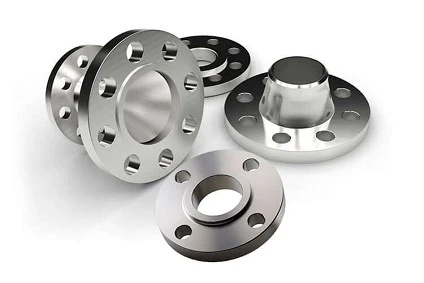

When selecting flanges for industrial applications, choosing the right material is crucial to ensure safety, reliability, and performance. Two popular options often considered are Inconel 600 and stainless steel flanges. Both materials offer excellent properties, but they are designed for different environments and requirements. In this blog, we'll compare Inconel 600 and stainless steel flanges to help you make an informed decision for your project.
Material Overview
Inconel 600
Inconel 600 is a nickel-chromium alloy known for its high-temperature resistance and exceptional corrosion resistance in harsh environments. Its chemical composition typically includes:
- Nickel (72%)
- Chromium (14-17%)
- Iron (6-10%)
This composition makes Inconel 600 ideal for extreme conditions, such as high temperatures and corrosive environments.
Stainless Steel
Stainless steel is a steel alloy with a minimum of 10.5% chromium, which provides corrosion resistance. Common grades of stainless steel used for flanges include:
- 304 Stainless Steel (18% chromium, 8% nickel)
- 316 Stainless Steel (16% chromium, 10% nickel, 2% molybdenum)
Stainless steel is widely used in various industries due to its affordability, ease of fabrication, and good corrosion resistance in moderate environments.
Inconel 600 flanges are the right choice if your application involves:
- High Temperatures: Ideal for environments where temperatures exceed 1000°F, such as in gas turbines, heat exchangers, and industrial furnaces.
- Corrosive Environments: Suitable for chemical processing plants, nuclear reactors, and marine applications where exposure to aggressive chemicals or seawater is common.
- High-Pressure Systems: Inconel 600 maintains its mechanical strength under extreme pressure, making it perfect for high-pressure pipelines and vessels.
Industries That Benefit from Inconel 600
- Oil & Gas
- Chemical Processing
When to Choose Stainless Steel Flanges
Stainless steel flanges are a better choice for applications involving:
- Moderate Temperatures and Corrosion: Suitable for environments with temperatures below 1500°F and exposure to mild chemicals or freshwater.
- Budget Constraints: Stainless steel is more affordable and readily available, making it ideal for cost-sensitive projects.
- Non-Critical Applications: Perfect for food processing, water treatment plants, and construction where extreme conditions are not a concern.
Industries That Benefit from Stainless Steel
- Food & Beverage
- Water Treatment
- Pharmaceutical
- Automotive
- Construction
Pros and Cons
Inconel 600 Flanges
Pros:
- Exceptional heat and corrosion resistance
- High strength and durability
- Low maintenance requirements
Cons:
- High cost
- More challenging to machine and fabricate
Stainless Steel Flanges
Pros:
- Affordable and widely available
- Easy to machine and fabricate
- Good corrosion resistance in moderate environments
Cons:
- Limited performance in high-temperature and highly corrosive environments
- Requires more maintenance in harsh conditions
Making the Right Choice
When deciding between Inconel 600 and stainless steel flanges, consider the following factors:
- Operating Environment: Assess the temperature, pressure, and corrosive nature of the environment.
- Budget: Determine if the higher upfront cost of Inconel 600 is justified by the performance and longevity it offers.
- Application Criticality: For critical applications where failure is not an option, Inconel 600 is often the safer choice.

























Sign in to leave a comment.