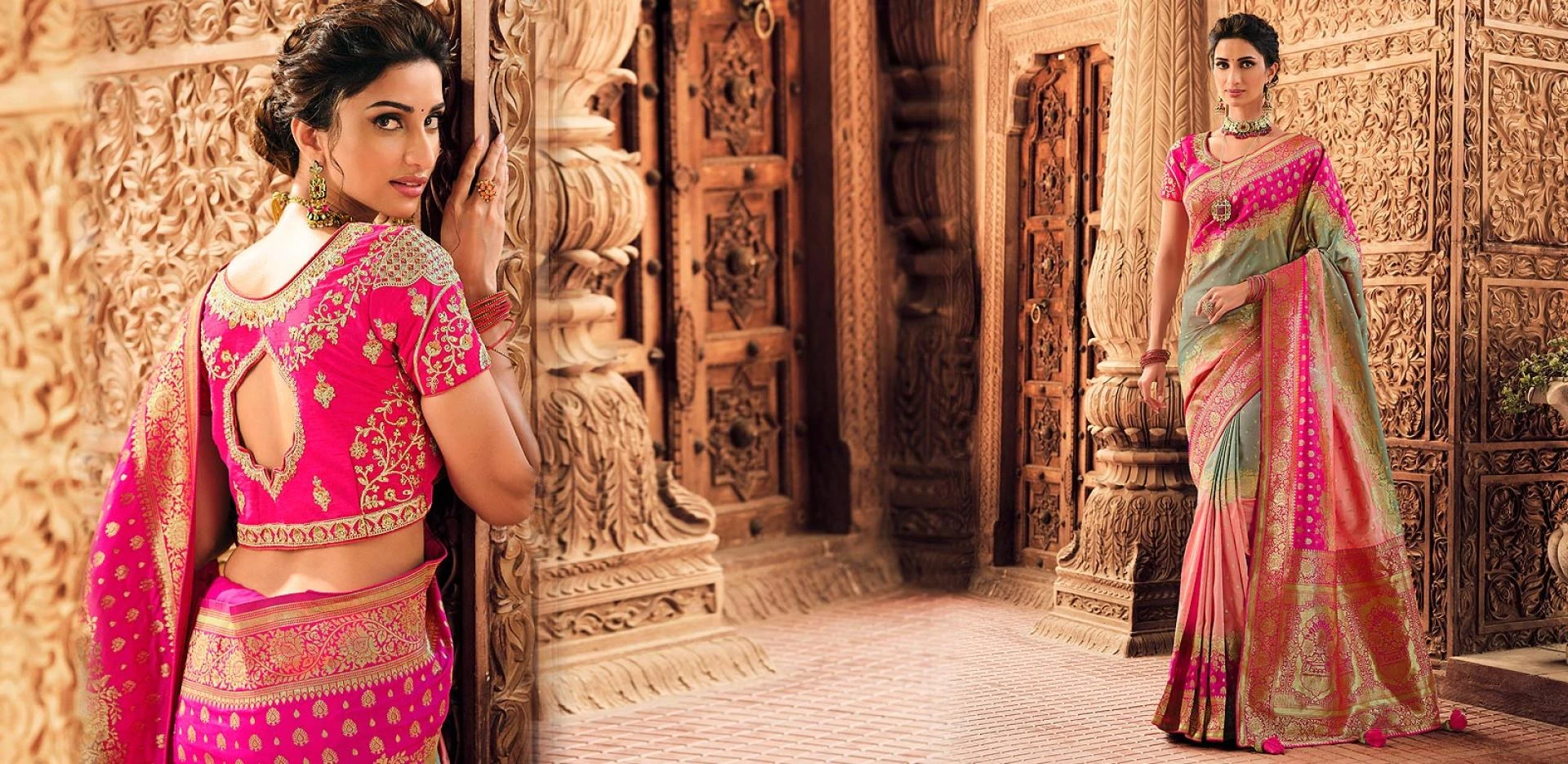

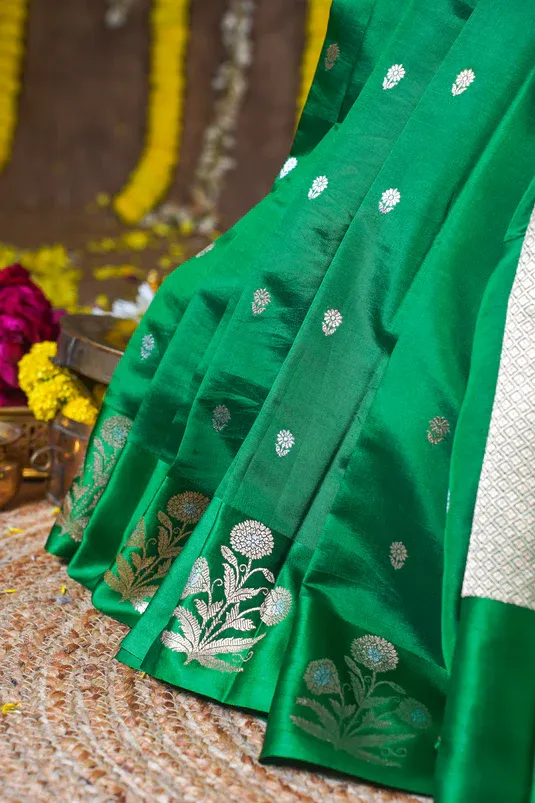
The word “sari” comes from a Sanskrit word that means “strip of cloth”. This traditional garment is usually worn in India and its surrounding countries throughout generations.
Usually worn with a blouse for the upper part of the body and a petticoat in the lower part to tuck the pleats, the length of a saree can be anywhere between four to nine yards.
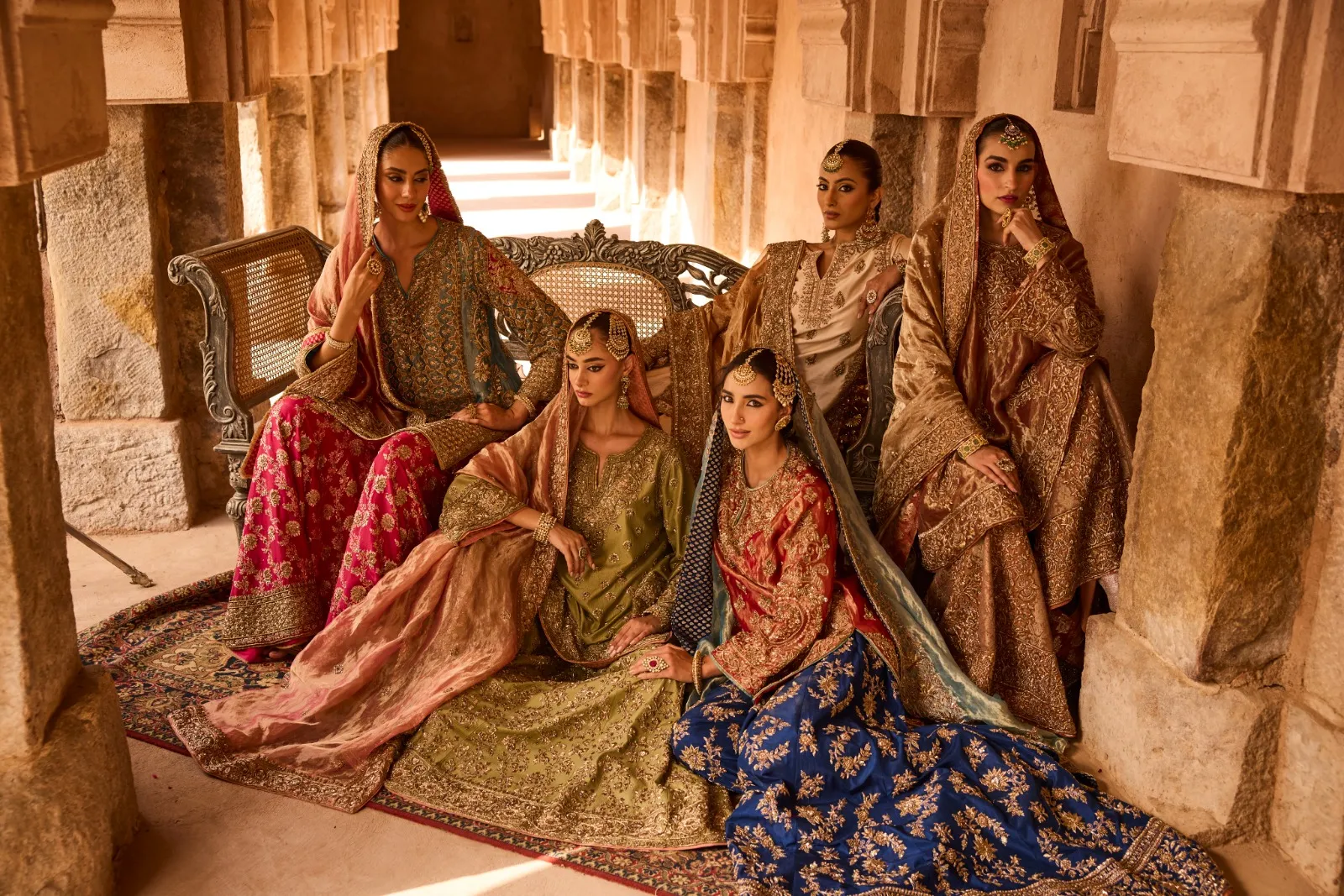
Indian sarees are one of the most popular dresses in the world. Saree is represented both in high street and runway fashion every now and then, influencing fashion designers all around the world.
Sarees have always been an integral part of Indian culture. With such a huge spectrum of variation in beliefs, languages, customs, and rituals, the saree has always been a source of fashion inspiration. Saree is a popular attire for weddings, pujas, party and for some people it’s a regular attire for everyday work.
These ethnic wear also have hundreds of ways to drape. So, if you had thought that the Nivi drape (the most common one where the pallu goes over the shoulder) is the only way to wear a saree—it’s a common misconception.
Now, in a diverse country like India, you can expect different take on a single garment. Most Indian states have their own special take on the Indian sari. Even districts have their own special sarees with different weaving techniques, dyes, designs, and fabrics.
Naming all Indian sarees isn’t possible in one seating, so we have created a list of popular sarees worn in India based on fabrics. Scroll down below to learn about them!
And if you are curious and want to broaden your options on designer sarees, head to Like A Diva.
0
0



















Sign in to leave a comment.