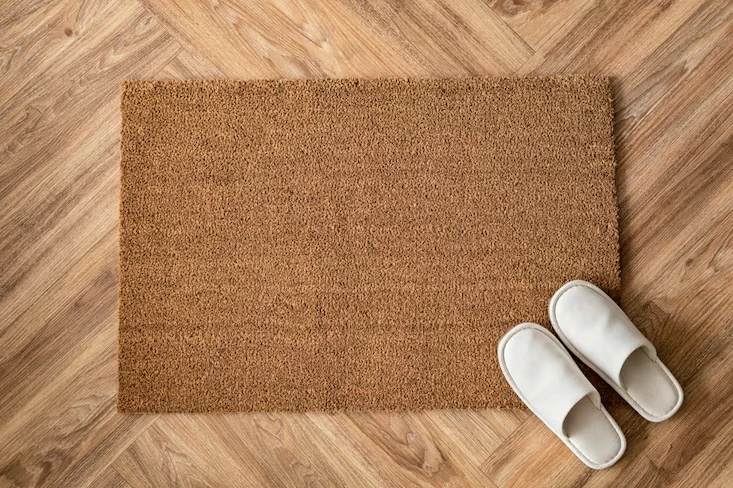

Coir mats are a popular choice for homes that value practicality, durability, and natural materials. Made from coconut husk fibres, these mats are known for their toughness and ability to handle dirt and moisture. While many people recognise coir mats as a general category, fewer understand that indoor and outdoor coir mats are designed for different purposes. Choosing the right one can make a noticeable difference in performance, appearance, and longevity.
For busy homes, understanding the distinction between indoor and outdoor coir mats is essential. Each type plays a specific role in maintaining cleanliness and protecting interior spaces. This article explores the key differences, practical uses, and how to decide which coir mat works best for your needs.
Understanding Coir as a Material
Before comparing indoor and outdoor coir mats, it helps to understand what coir is and why it is widely used. Coir is a natural fibre extracted from the husk of coconuts. It is coarse, strong, and naturally resistant to moisture and wear. These characteristics make it particularly effective at scraping dirt and absorbing water from shoes.
Unlike synthetic fibres, coir is biodegradable and renewable, making it an appealing option for households that prioritise sustainability. Its rough texture is one of its greatest strengths, allowing it to perform well in high-traffic areas where cleanliness matters most.
However, the way coir mats are constructed and finished determines whether they are best suited for indoor or outdoor use.
What Defines an Outdoor Coir Mat?
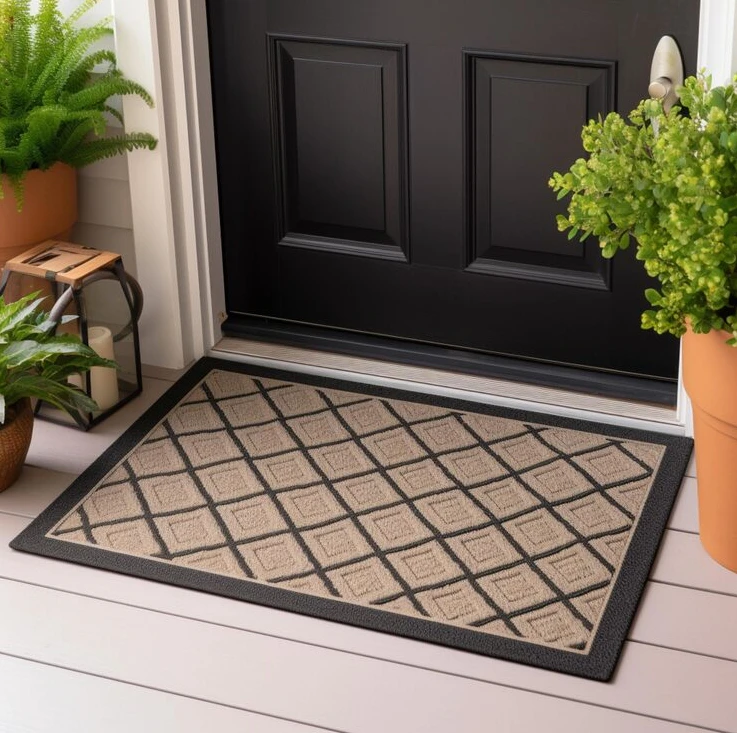
Outdoor coir mats are designed to handle harsher conditions. They are typically placed outside entrances, where they are exposed to dirt, mud, rain, and frequent foot traffic. Their primary function is to remove as much debris as possible before anyone enters the home.
Durability and Construction
Outdoor coir mats are usually thicker and denser than indoor versions. The fibres are tightly packed to increase durability and improve scraping efficiency. This dense construction allows the mat to withstand heavy use without flattening too quickly.
Many outdoor coir mats also feature a non-slip backing, often made from rubber or PVC. This backing helps keep the mat in place on hard surfaces and provides additional resistance against moisture seeping through.
Performance in Weather Conditions
Outdoor coir mats are built to cope with changing weather, particularly in regions where rain and damp conditions are common. While coir is naturally moisture-resistant, outdoor mats are designed to dry more effectively when exposed to air.
That said, outdoor coir mats perform best when placed in sheltered areas, such as under a porch or canopy. Prolonged exposure to heavy rain can shorten their lifespan, as constant saturation can weaken the fibres over time.
Visual Style
In terms of appearance, outdoor coir mats tend to prioritise function over refinement. They often feature simple designs, neutral tones, or classic patterns that suit entrance areas. Their purpose is clear: to handle dirt efficiently while providing a welcoming first impression.
What Defines an Indoor Coir Mat?
Indoor coir mats are designed with a slightly different focus. While they still offer excellent dirt-trapping capabilities, they are intended for interior spaces where aesthetics and comfort are equally important.
Finer Finish and Comfort
Indoor coir mats generally have a finer finish compared to outdoor versions. The fibres may be softer or less densely packed, making them more suitable for barefoot contact and interior use.
This softer texture allows indoor coir mats to blend more comfortably into living spaces such as hallways, kitchens, or utility rooms. They still perform well at trapping dirt, but with a greater emphasis on comfort and visual integration.
Design and Aesthetic Appeal
Design plays a larger role in indoor coir mats. They are often available in a wider range of sizes, patterns, and finishes to complement interior décor. Neutral colours remain popular, as they blend seamlessly with different design styles, but subtle patterns or borders are also common.
Indoor coir mats are chosen not just for practicality, but for how they contribute to the overall look and feel of a space.
Placement and Use
Indoor coir mats are typically placed just inside entrances, where they act as a secondary barrier against dirt and moisture. They can also be used in high-traffic interior areas to protect flooring and reduce wear.
Because they are not exposed to harsh outdoor conditions, indoor coir mats tend to last longer when properly maintained.
Key Differences Between Indoor and Outdoor Coir Mats
While both types share the same base material, several key differences set them apart.
1. Thickness and Density
Outdoor coir mats are usually thicker and more rigid, designed to scrape heavy dirt from shoes. Indoor mats are often slightly thinner and more refined, focusing on comfort and appearance.
2. Backing Material
Outdoor mats commonly feature strong, moisture-resistant backing to prevent slipping and water damage. Indoor mats may have lighter backing or none at all, depending on placement.
3. Exposure to Moisture
Outdoor mats are built to handle rain and mud, while indoor mats are designed for controlled environments with limited moisture exposure.
4. Visual Integration
Indoor mats are more design-focused, while outdoor mats prioritise performance and durability.
Understanding these differences helps ensure each mat is used where it performs best.
Why Busy Homes Benefit from Both
In busy households, relying on a single mat is rarely enough. Using both indoor and outdoor coir mats creates a layered defence system against dirt and moisture.
An outdoor coir mat handles the initial impact, removing the bulk of mud and debris before it reaches the door. An indoor coir mat then captures any remaining dirt, protecting interior floors and maintaining cleanliness throughout the home.
This combination reduces cleaning time, preserves flooring, and keeps living spaces looking fresher for longer.
Maintenance Differences
Maintenance is another area where indoor and outdoor coir mats differ.
Outdoor coir mats require regular shaking or brushing to remove accumulated dirt. Because they are exposed to the elements, they may need more frequent attention to prevent dirt buildup.
Indoor coir mats are easier to maintain, as they collect finer debris. Regular vacuuming or light shaking is usually sufficient to keep them clean. Since they are not exposed to rain, they dry faster and experience less fibre degradation.
Proper maintenance extends the lifespan of both types and ensures they continue performing effectively.
Durability and Lifespan
Outdoor coir mats typically experience more wear due to weather exposure and heavy use. As a result, they may need replacement sooner than indoor mats, especially in very wet climates.
Indoor coir mats, when used correctly, often last longer. Their controlled environment reduces stress on the fibres, allowing them to retain their structure and appearance over time.
Choosing the right mat for the right location plays a significant role in maximising durability.
Design Considerations for Modern Homes
From an interior design perspective, indoor coir mats offer greater flexibility. They can be chosen to complement flooring, wall colours, and overall décor. When placed thoughtfully, they contribute to a cohesive and welcoming interior.
Outdoor coir mats, while more functional, still play a role in design. They form the first visual interaction with a home, setting expectations for cleanliness and style. A well-chosen outdoor mat creates a positive first impression while performing an essential function.
Sustainability and Environmental Impact
Both indoor and outdoor coir mats share the same environmental advantages. Coir is a natural, renewable resource, and mats made from it are biodegradable at the end of their life cycle.
Using coir mats aligns with sustainable living practices, especially when durability and longevity are prioritised. Choosing quality mats reduces waste and supports responsible consumption.
Choosing the Right Coir Mat for Your Needs
When deciding between indoor and outdoor coir mats, consider the environment, traffic levels, and design requirements of the space. Outdoor areas demand durability and moisture resistance, while indoor spaces benefit from comfort and visual harmony.
For busy homes, investing in both types provides the best results. Each mat performs a specific role, working together to protect floors and maintain cleanliness.
Conclusion
Indoor and outdoor coir mats may look similar at first glance, but they serve distinct purposes within the home. Outdoor coir mats focus on heavy-duty dirt removal and weather resistance, while indoor coir mats balance practicality with comfort and design.
Understanding these differences allows homeowners to make informed choices that enhance both functionality and aesthetics. By placing the right coir mat in the right location, busy homes can stay cleaner, more organised, and visually cohesive with minimal effort.
When used thoughtfully, coir mats prove that even the simplest home accessories can deliver meaningful benefits—both inside and out.

























Sign in to leave a comment.