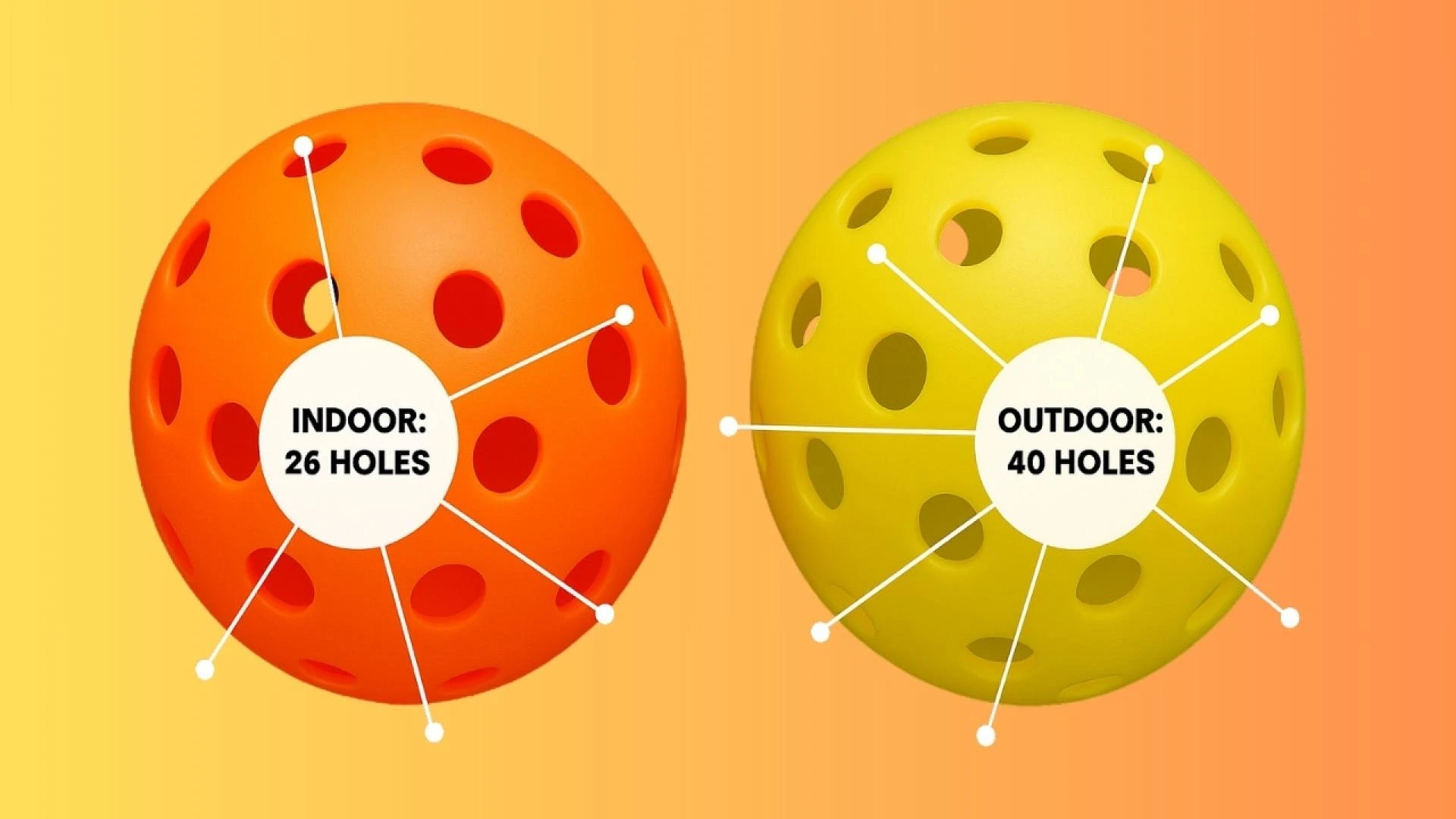

As pickleball continues its rapid expansion across the United States, one question consistently comes up among new and seasoned players alike: What’s the real difference between indoor vs outdoor pickleballs?
At first glance, both balls look similar—same size, same shape, same bright colors. But once you start rallying, the differences become immediately noticeable. Each ball type is built for specific playing conditions, and using the wrong one can impact control, bounce, speed, noise, and overall gameplay.
This guide breaks down everything you need to know about indoor and outdoor pickleballs so you can play better, protect your gear, and get the most out of every match.
Indoor vs Outdoor Pickleballs: Why the Difference Matters
Pickleball is played in two very different environments—indoor gym floors and outdoor courts like concrete or asphalt. The ball design has evolved to match these conditions, improving:
• Flight stability
• Durability
• Bounce consistency
• Spin response
• Noise control
Choosing the right ball makes the game smoother, more predictable, and far more enjoyable.
1. Material and Construction
Indoor Pickleballs
Indoor balls are built with slightly softer plastic to work well on smooth, polished surfaces. That softness helps create:
• More control
• Less noise
• Smoother bounce
• Longer rallies
Indoor environments don’t expose the ball to wind or abrasive surfaces, so durability is less of a concern.
Outdoor Pickleballs
Outdoor balls use harder, denser plastic engineered to withstand:
• Rough pavement
• Temperature changes
• UV exposure
• Repeated high-speed impacts
The added firmness improves flight stability in wind and provides a faster, more powerful bounce suited for outdoor play.
2. Hole Count and Aerodynamics
This is the easiest way to tell the difference between indoor vs outdoor pickleballs.
Indoor Balls: 26 Larger Holes
• Larger holes decrease air resistance
• Encourages slower, more controlled play
• Ideal for finesse, spin, and touch shots
Indoor environments are predictable, so the ball doesn’t need extra aerodynamic support.
Outdoor Balls: 40 Smaller Holes
• Smaller holes cut through the wind
• Produces a straighter, more stable flight
• Results in a faster overall game
Because wind and weather impact outdoor play, smaller holes help keep the ball on track.
3. Bounce and Gameplay Feel
Indoor Balls
• Higher bounce on gym floors
• Softer feel off the paddle
• Excellent for long rallies
• More responsive to spin
The smoother surface helps the ball pop up consistently.
Outdoor Balls
• Lower bounce due to firmer plastic
• Faster off the paddle
• Better for aggressive driving
• Less forgiving on mis-hits
Outdoor balls create a quick, reaction-based style of play, which many competitive players prefer.
4. Noise Level
If you’re playing in a community center or shared indoor space, noise matters.
Indoor Balls
• Much quieter
• Softer impact sound
• Preferred in sound-sensitive environments
Outdoor Balls
• Louder due to hard plastic
• High-pitched impact noise
• More noticeable during drills or high-intensity rallies
This is often why HOAs restrict certain paddles and balls.
5. Durability and Expected Lifespan
Indoor Balls
• Last longer per ball
• Don’t crack easily
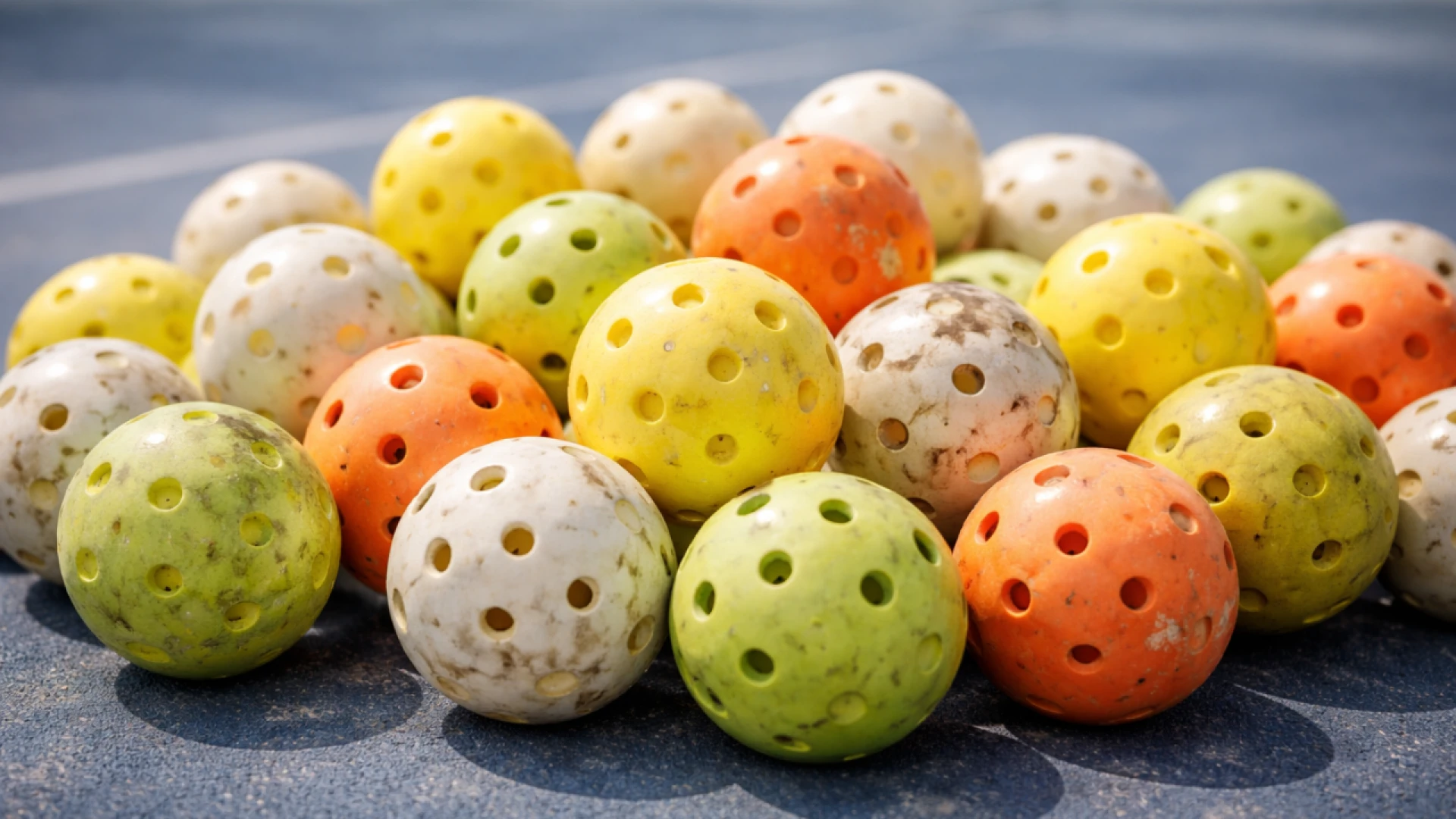
• Should not be used outdoors—rough surfaces wear them out quickly
Outdoor Balls
• Designed to be durable
• Can crack or split in cold weather
• Need to be replaced more frequently due to court friction
If you mainly play outdoors, expect to cycle through balls more regularly.
Why Choosing the Right Ball Makes a Difference
Using the wrong ball affects:
Consistency:
Indoor balls become unpredictable outdoors; outdoor balls feel too fast indoors.
Control:
Indoor balls allow touch; outdoor balls demand quicker reactions.
Bounce Quality:
Outdoor surfaces make indoor balls skid or wobble.
Durability:
Indoor balls crack quickly on rough courts; outdoor balls feel heavy and loud indoors.
Selecting the proper ball improves performance and protects both equipment and joints from unnecessary strain.
How to Decide Which Type You Need
Ask yourself three questions:
1. Where do you play the most?
• Gym floors = indoor balls
• Parks or asphalt courts = outdoor balls
2. What’s your playing style?
• Control, dinks, and spin = indoor
• Drives, speed, and power = outdoor
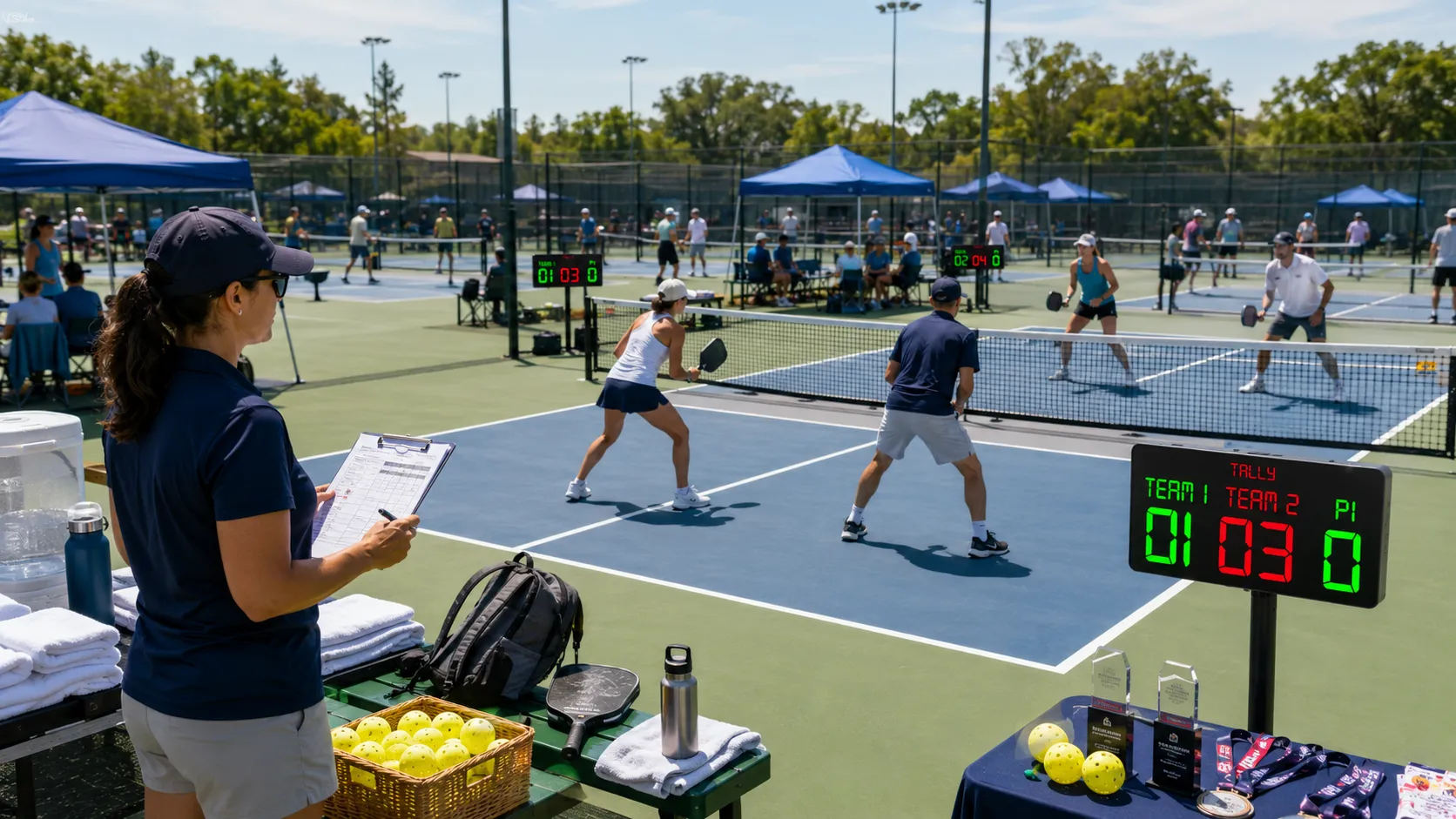
3. Do you play tournaments?
Competitive events specify the ball type, so familiarity with both is helpful.
Many players carry both kinds in their bag and switch based on conditions.
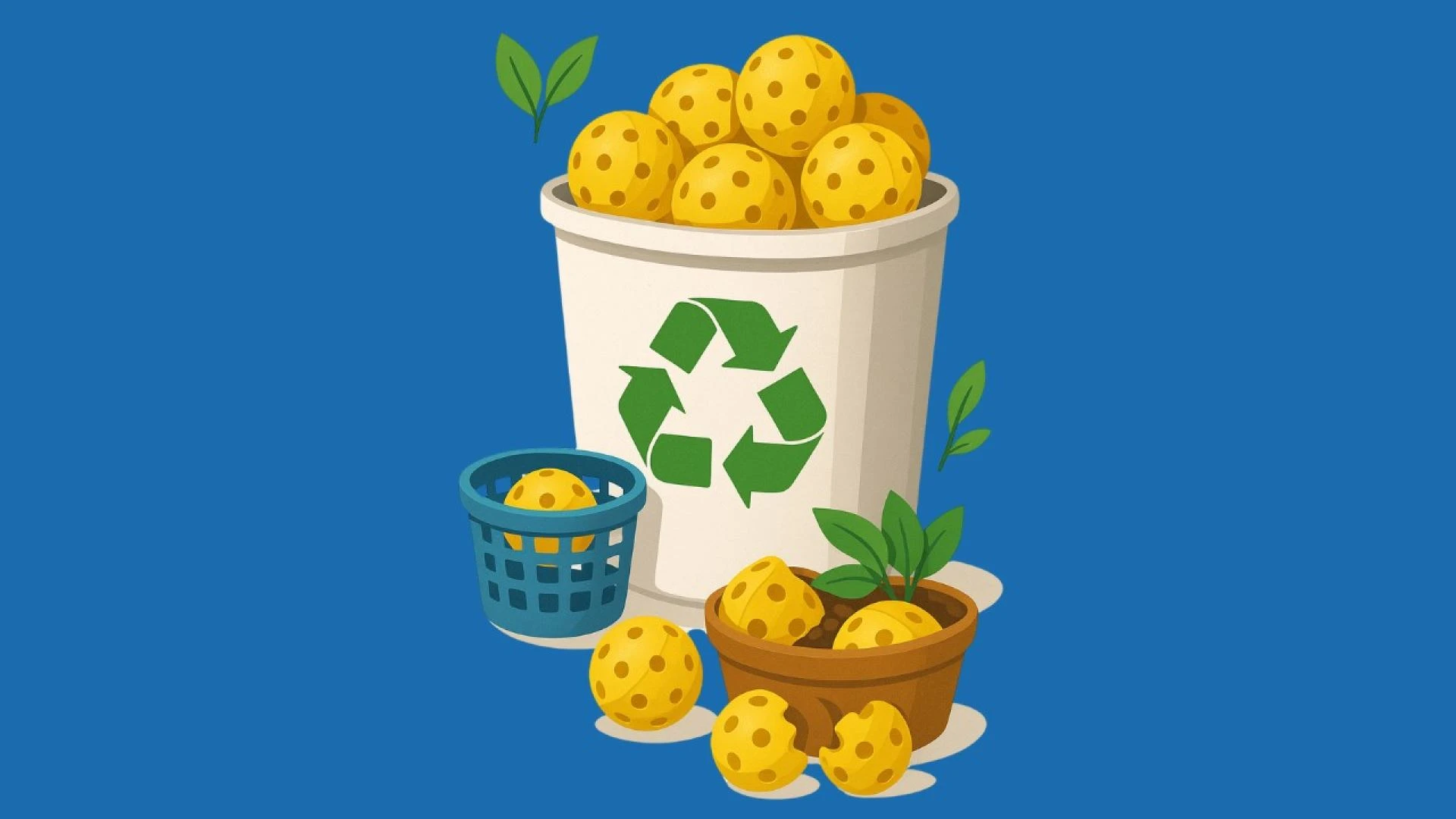
Sustainability Note: Don’t Forget to Recycle
As more players hit the court, more worn-out balls end up in the trash. Recycling pickleballs has become an important part of the sport’s push toward sustainability. Used balls can be:
• Recycled through sports equipment programs
• Repurposed for training
• Reused as craft materials
• Donated to dog shelters
• Returned to brands offering recycling initiatives
Responsible disposal keeps the sport environmentally healthy as it grows.
Game Recap
Understanding the difference between indoor vs outdoor pickleballs isn’t just about terminology — it shapes how the ball flies, bounces, feels, and performs.
Indoor balls give players control, spin, and smooth rallies.
Outdoor balls deliver speed, stability, and durability in unpredictable conditions.
Choosing the right ball helps you play more confidently, improves consistency, extends gear lifespan, and ensures a better overall experience on the court.
Make smart choices, match your ball to your environment, and elevate your game every time you step onto the court.






















Sign in to leave a comment.