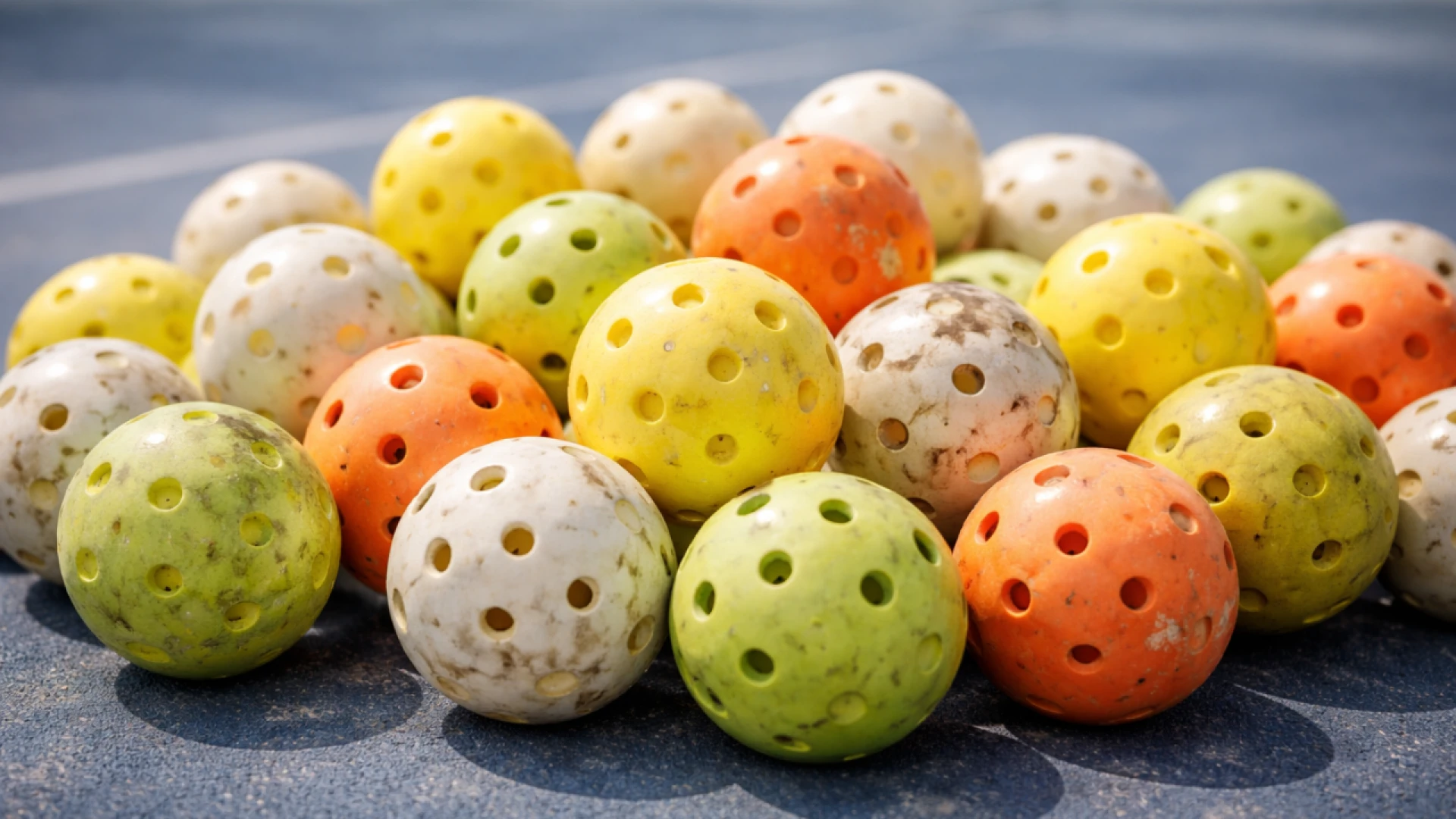

Pickleball’s rise has created an unexpected problem.
Balls wear out fast. Clubs replace them constantly. Competitive players go through them even faster. What looks like a small plastic item becomes a large-scale waste issue when multiplied across millions of games.
So what actually happens to used pickleballs once they crack, lose bounce, or get replaced?
Most players assume they are recyclable. The reality is more complicated.
What Are Pickleballs Made Of?
Understanding the importance of recycling pickleballs starts with the materials.
Most pickleballs are made from:
- Polyethylene
- Polypropylene
These are common plastics used in packaging and containers. On paper, they are recyclable.
But real-world recycling depends on more than material type.
Manufacturing methods also matter:
- Injection-molded balls (common outdoors)
- Rotationally molded balls (less common but more durable)
These processes affect thickness, durability, and how easily the material can be reused.
Why Most Pickleballs Are Not Recycled
1. Size and Sorting Limitations
Recycling facilities are designed to process larger items.
Pickleballs are small and lightweight. In many systems:
- They fall through sorting screens
- They are misclassified as contaminants
- They end up diverted to landfill streams
This is one of the biggest barriers.
2. Shape and Structure
Pickleballs are not solid plastic.
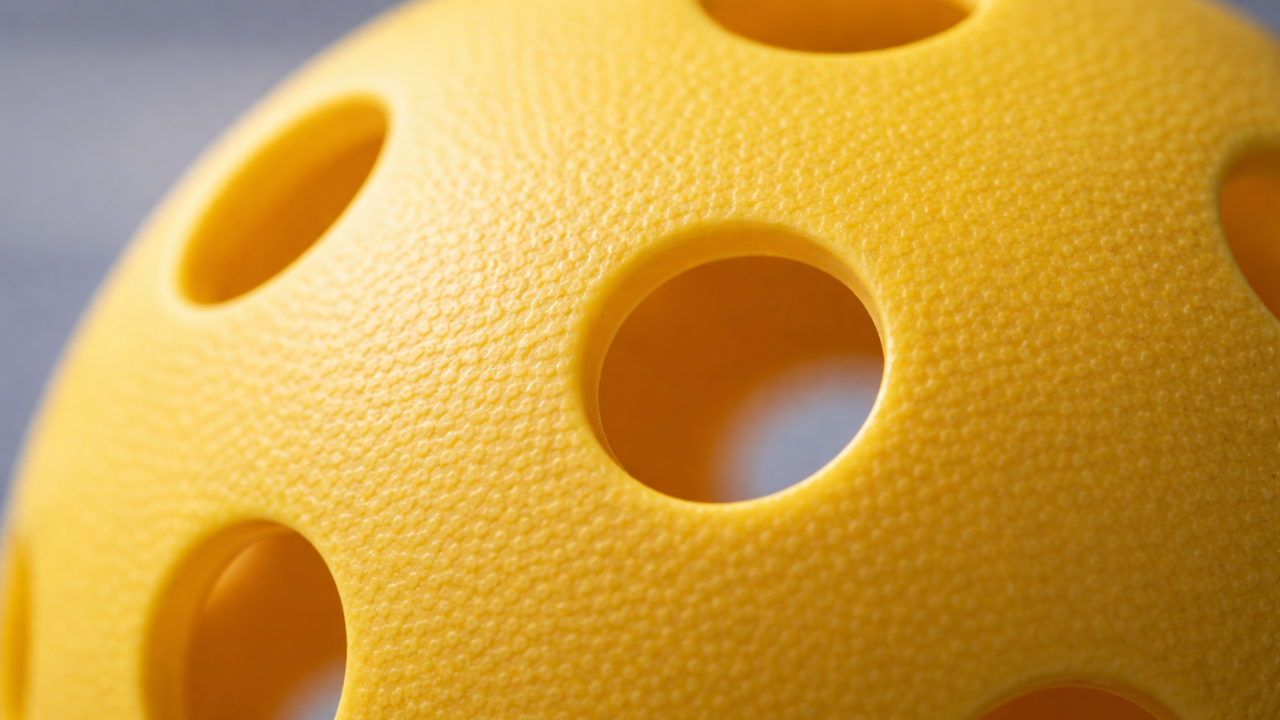
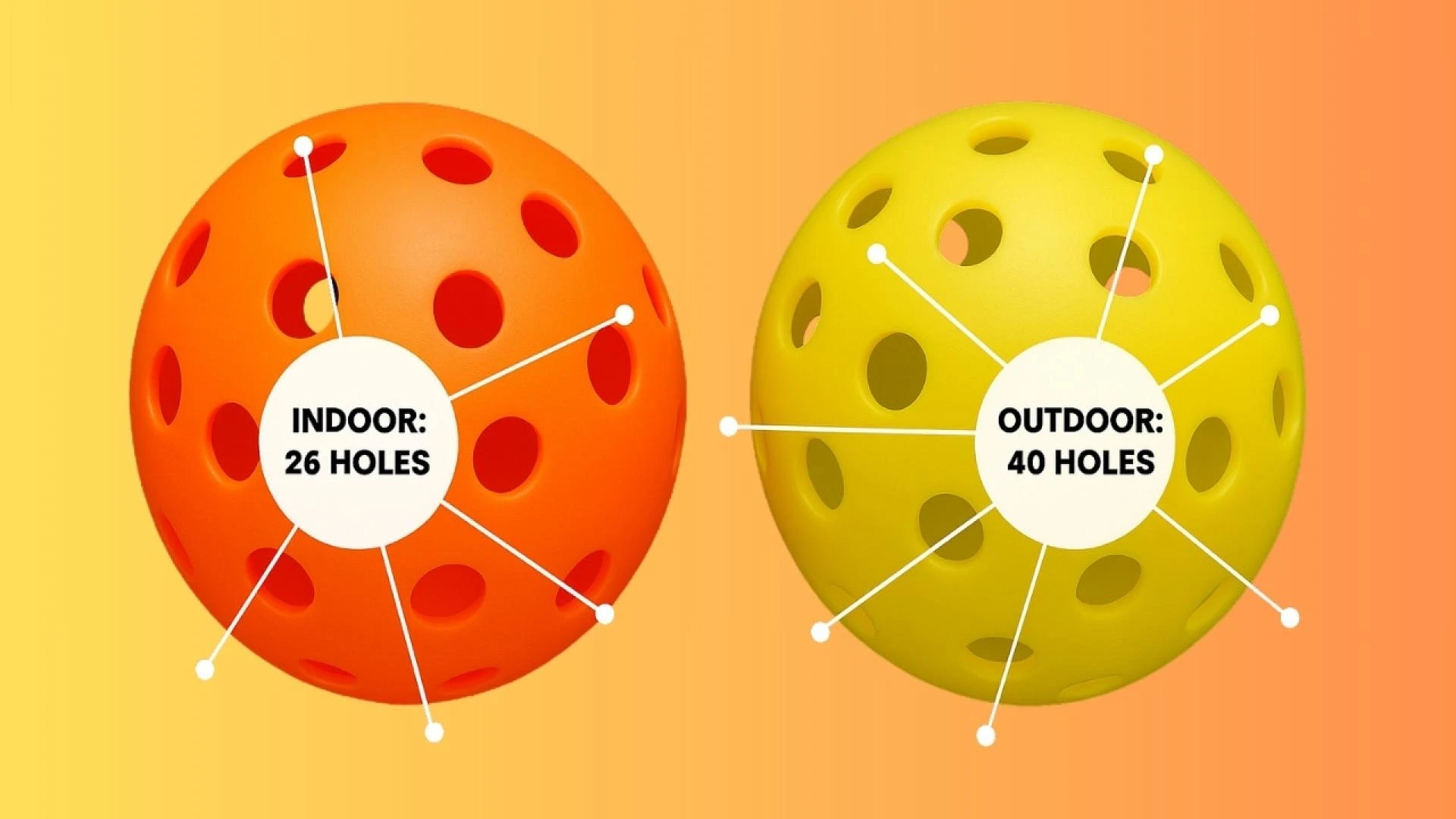
Their hollow design with multiple holes makes them:
- Difficult for automated sorting systems
- Prone to getting stuck in machinery
- Inconsistent in processing
Unlike bottles or containers, they do not fit standardized recycling flows.
3. Contamination from Use
Used pickleballs are exposed to:
- Dirt
- Oils
- Court debris
This contamination reduces recycling viability unless cleaned, which adds cost and complexity.
4. Lack of Standard Recycling Programs
Most municipal recycling systems do not accept sports equipment.
Even if the material is recyclable, infrastructure is not built for it.
This creates a gap between “technically recyclable” and “actually recycled.”
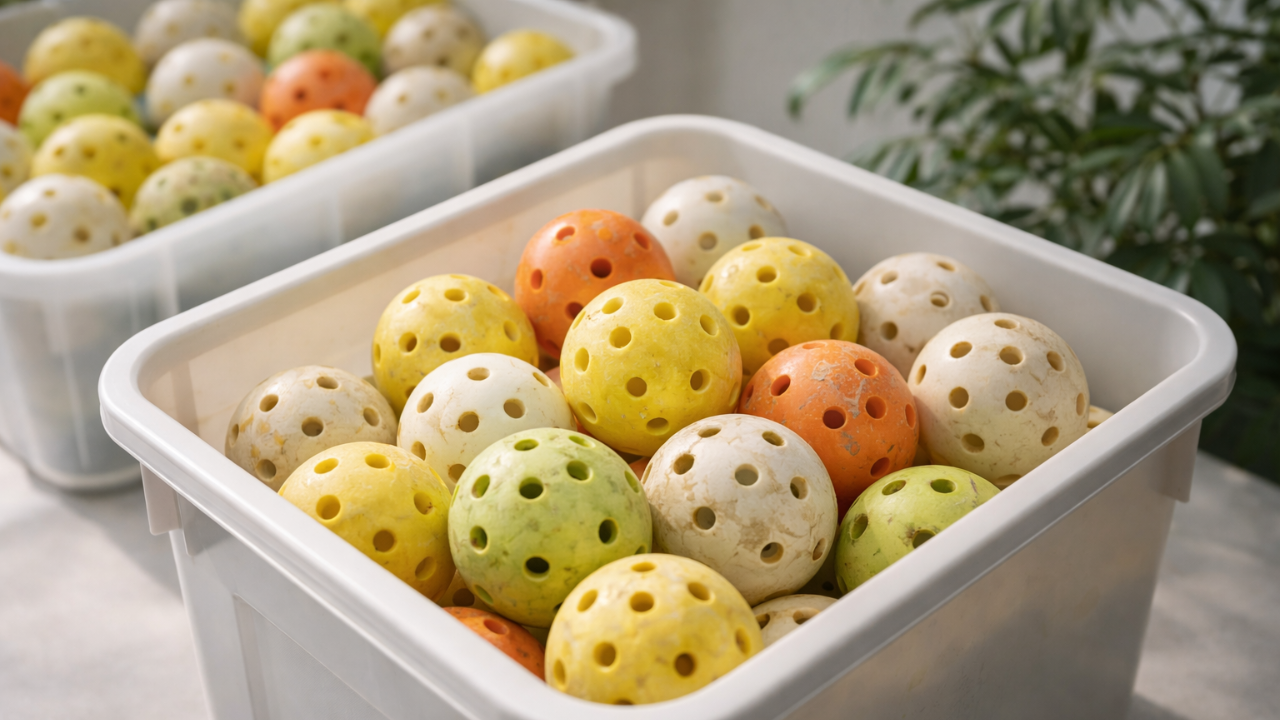
Where Do Used Pickleballs Go?
For most players, the answer is simple:
They go in the trash.
At scale, this means:
- Thousands of balls are discarded by clubs annually
- Significant plastic accumulation over time
- Minimal recovery or reuse
This is where pickleball differs from other sports with longer-lasting equipment.
Emerging Pickleball Recycling Solutions
The good news is that the industry is starting to respond.
1. Dedicated Collection Programs
Some organizations are introducing ball collection systems.
These include:
- Drop-off bins at clubs and facilities
- Bulk collection for recycling partners
Collected balls are then processed separately from standard recycling streams.
2. Specialized Recycling Partnerships
Programs are working with recyclers who can handle non-standard plastics.
These recyclers:
- Grind balls into reusable plastic
- Repurpose material for industrial applications
- Create new plastic products
This bypasses traditional municipal limitations.
3. Mail-In Recycling Options
Some companies offer mail-in programs for hard-to-recycle items.
Players or clubs can:
- Collect used balls
- Ship them to specialized facilities
- Ensure proper processing
This is not yet mainstream but is growing.
4. Repurposing and Reuse
Before recycling, some balls are reused creatively:
- Training drills
- Practice balls
- Pet toys
- DIY projects
While not a full solution, reuse extends lifespan and delays disposal.
As awareness grows, more players and facilities are recognizing why recycling pickleballs matters for the future of the sport.
The Role of Durability in Reducing Waste
Recycling is only part of the solution.
The bigger impact comes from reducing how often balls need replacement.
Short lifespan equals more waste.
That is why durability is becoming a key focus in product development:
- Stronger materials
- Improved hole design
- Better impact resistance
A ball that lasts longer directly reduces environmental impact.
Industry Shift Toward Sustainable Pickleballs
Sustainability is starting to influence how pickleballs are designed.
Manufacturers are exploring:
- Recycled plastic inputs
- More durable construction
- End-of-life recyclability
Evolute Pickleball reflects this shift by developing high-performance balls that balance durability with sustainability. Products like the EV-11 incorporate reclaimed ocean-bound plastic and are designed to be fully recyclable, helping reduce waste without compromising performance.
This is where the industry is heading.
What Players Can Do Today
Individual actions still matter.
Here is what players can realistically do:
- Use balls until performance drops, not just appearance
- Store balls properly to extend lifespan
- Support brands focused on sustainability
- Participate in collection or recycling programs when available
- Reuse balls where possible
Small changes, multiplied across millions of players, make a difference.
Key Takeaways
- Most pickleballs are not recycled through standard systems
- Material is recyclable, but infrastructure is the barrier
- Balls often end up in landfills due to size and sorting issues
- New recycling programs and partnerships are emerging
- Durability is the most effective way to reduce waste
- Sustainable product innovation is shaping the future of the sport
Conclusion
Pickleball’s growth has created both opportunity and responsibility. While the sport continues to expand globally, the volume of used pickleballs highlights a clear gap in how equipment is managed at the end of its life.
The reality is straightforward. Most pickleballs are not recycled today, not because the material lacks value, but because systems are not built to process them efficiently. That is starting to change through specialized recycling programs, better collection methods, and increased awareness across the industry.
At the same time, the biggest impact comes from reducing waste at the source. More durable balls, smarter material choices, and sustainability-focused manufacturing are reshaping how pickleballs are designed and used.
For players, clubs, and manufacturers, the direction is clear. Extend lifespan where possible, support better recycling solutions, and shift toward products built with long-term impact in mind.
Pickleball is evolving quickly. The way we handle its waste needs to evolve just as fast.
FAQs
Are pickleballs recyclable?
Technically, yes, but most curbside recycling programs do not accept them due to size and processing limitations.
Why can’t pickleballs go in recycling bins?
They are too small and can disrupt sorting machinery, leading to rejection or landfill diversion.
What can I do with old pickleballs?
You can reuse them for practice, donate them, or send them to specialized recycling programs if available.
Are eco-friendly pickleballs available?
Yes. Some manufacturers are developing pickleballs using recycled materials and improved durability.
What is the best way to reduce pickleball waste?
Use longer-lasting balls and support brands focused on sustainability and recyclability.

























Sign in to leave a comment.