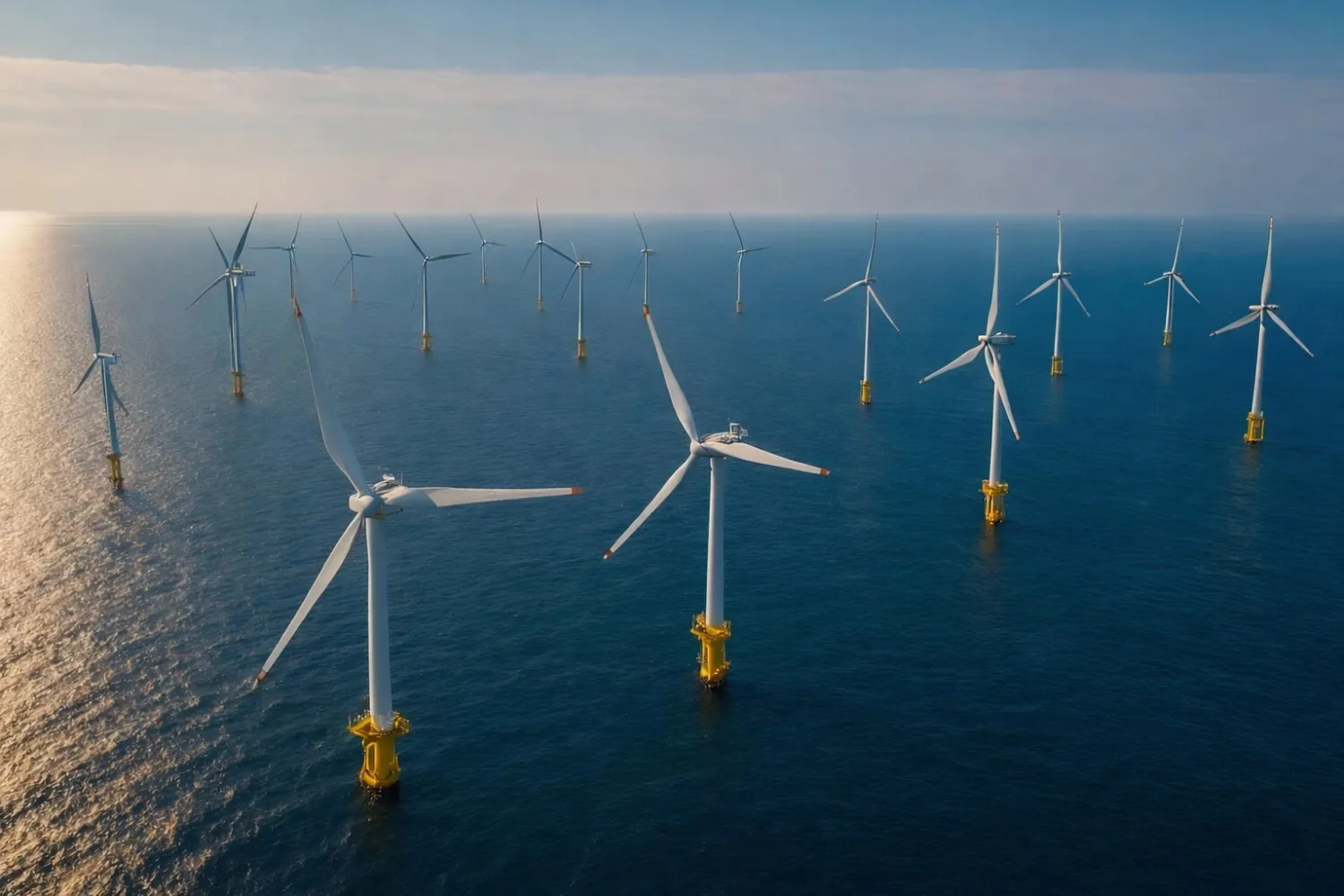

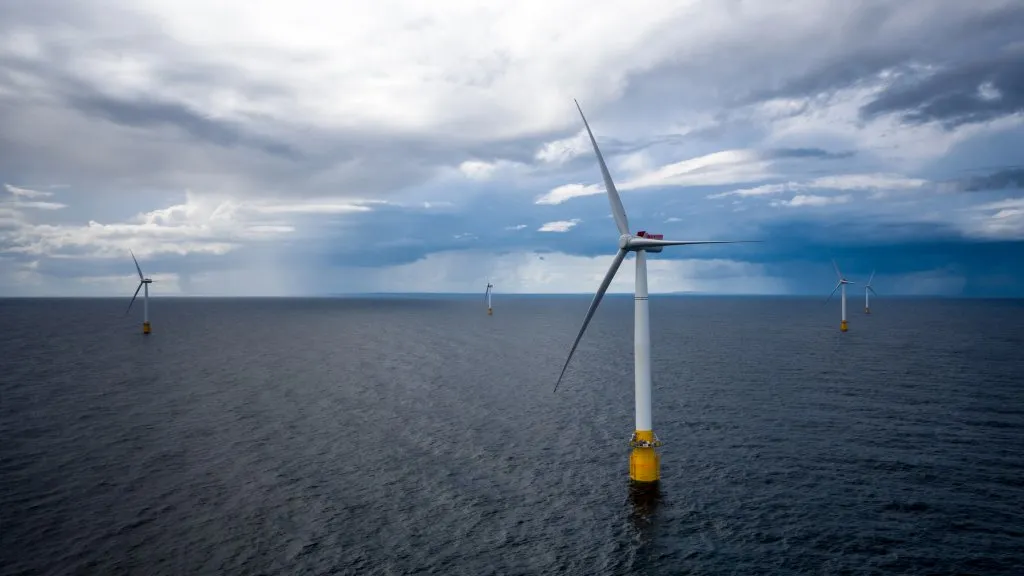
For decades, the wind energy industry built turbines where it was easiest: on land and in shallow coastal waters. But a growing wave of floating wind technology is changing that thinking entirely. Unlike fixed turbines that are bolted to the seabed, floating wind platforms sit on buoyant structures anchored by cables, allowing them to operate in water hundreds of meters deep. This shift opens up vast stretches of ocean that were previously off-limits to wind development, and it is pushing the boundaries of what renewable energy can realistically achieve.
Why Deep Water Changes Everything
Most of the world's best wind resources sit over deep ocean waters, far from shore. Traditional turbines cannot be installed in depths beyond roughly 60 meters because fixing a massive steel structure to the seafloor becomes technically impossible and financially unviable. Floating platforms solve this problem by bringing the turbine to the wind rather than waiting for shallow water locations.
Countries like Japan, Norway, South Korea, and the United States have enormous deep-water coastlines. These nations have struggled to scale conventional wind installations because their continental shelves drop steeply just a short distance from shore. Floating technology gives them a credible path to large-scale ocean wind power for the first time.
How the Technology Actually Works
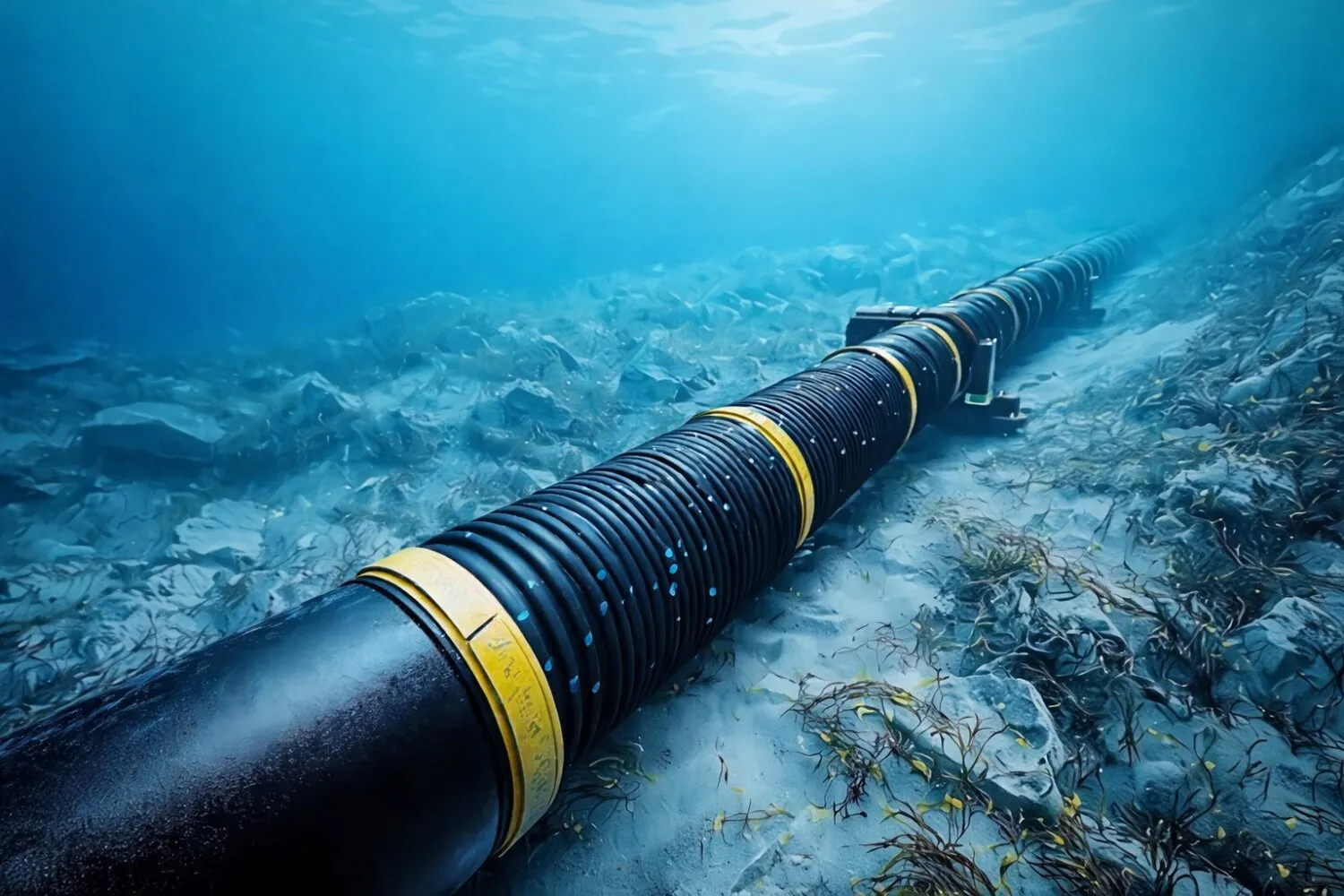
A floating wind turbine sits on one of several platform designs: a semi-submersible hull, a spar-buoy, or a tension-leg platform. Each design keeps the turbine stable even in rough seas. The platform is connected to the seabed by mooring lines and transfers electricity to shore through flexible subsea cables.
The engineering challenges are real. Platforms must survive extreme waves and storms while keeping the turbine upright enough to generate power efficiently. Maintenance is also more complex since technicians cannot simply walk up to a turbine from a boat in the same way they can with fixed-bottom machines. However, recent projects have demonstrated that these obstacles are solvable with the right design and logistics planning.
Case Study 1: Hywind Tampen, Norway
Commissioned in 2022, Hywind Tampen holds the distinction of being the largest floating wind farm in operation worldwide. Located in the North Sea off the coast of Norway, it consists of 11 turbines with a combined capacity of 88 megawatts. The farm powers oil and gas platforms operated by Equinor, reducing their CO2 emissions by roughly 200,000 tonnes per year. Hywind Tampen proved that floating wind can operate reliably in some of the harshest marine conditions on Earth and deliver consistent power to industrial users.
Case Study 2: Kincardine Offshore Wind Farm, Scotland
Located about 15 kilometers off the Aberdeenshire coast, Kincardine became fully operational in 2021 with five floating turbines generating up to 50 megawatts. It was the first commercial-scale floating wind project connected to a national grid. The project demonstrated that floating installations can be financed, permitted, and connected to onshore power infrastructure without exotic workarounds, giving developers elsewhere a replicable model to follow.
Cost Reduction Is the Central Challenge
Floating platforms currently cost significantly more to build and install than fixed-bottom offshore wind turbines. Estimates in recent years have placed the levelized cost of floating wind energy at roughly two to three times that of conventional offshore wind. However, this gap is expected to narrow sharply as the industry scales up.
The offshore wind sector itself followed a similar trajectory. A decade ago, fixed-bottom offshore projects were considered expensive compared to onshore wind. Supply chain development, larger turbines, and accumulated engineering experience brought those costs down by more than 60 percent over ten years. The floating sector is now at a similar early stage, and analysts broadly expect costs to follow a comparable downward path as project volumes increase.
Policy Support Is Accelerating Growth
Governments are beginning to put serious policy weight behind floating development. The European Union has set targets for 7 gigawatts of floating capacity by 2030 and 40 gigawatts by 2050. The United Kingdom has included floating wind in its offshore wind expansion plans, with lease rounds for deep-water sites already underway. In the United States, the Biden and subsequent administrations identified floating wind as essential to reaching offshore targets on the Pacific Coast, where shallow-water sites are scarce.
South Korea has announced plans for a 200-megawatt floating demonstration project off Ulsan, and Japan has been running pilot installations since the early 2010s. The momentum is clearly global.
Conclusion
The renewable energy sector is entering a new chapter, and floating offshore wind is central to that story. Early projects have moved from concept to commercial reality faster than many expected, and the pipeline of planned installations is growing every year. Industry events such as the Floating Offshore Wind Conference have become important forums where developers, engineers, policymakers, and investors gather to share progress and coordinate on the supply chain and standards needed to bring costs down further. The rules of where wind power can be built, and how much of it is possible, are being rewritten in real time. The ocean, it turns out, has far more to offer than anyone first imagined.
Frequently Asked Questions
1. What is the difference between floating wind and fixed-bottom offshore wind?
Fixed-bottom turbines are anchored directly to the seabed with steel foundations and can only be installed in water up to about 60 meters deep. Floating turbines sit on buoyant platforms held in place by mooring cables, which allows them to operate in water depths of 100 meters or more.
2. Are floating wind turbines safe in storms and rough seas?
Yes. The platforms are engineered to handle extreme marine conditions, including high waves and strong winds. Hywind Tampen, among other floating wind projects, has proven capable of enduring extreme North Atlantic storm events without significant impacts on its structure.
3. How is electricity transmitted from a floating wind farm to shore?
Electricity travels from the turbine through a flexible cable running down to the seabed, then along a subsea export cable to an onshore grid connection point. The flexible cable design accommodates the natural movement of the floating platform.
4. Why is floating wind more expensive than conventional offshore wind right now?
The technology is currently at an early stage of commercialization. Platform construction, specialized installation vessels, and complex mooring systems all add cost. As more projects are built and the supply chain matures, costs are expected to fall considerably.
5. Which countries are leading in floating wind development?
Norway and the United Kingdom currently lead in operational capacity. South Korea, Japan, Portugal, and the United States are actively developing projects and supportive policy frameworks, making the sector genuinely international in scope.






















Sign in to leave a comment.