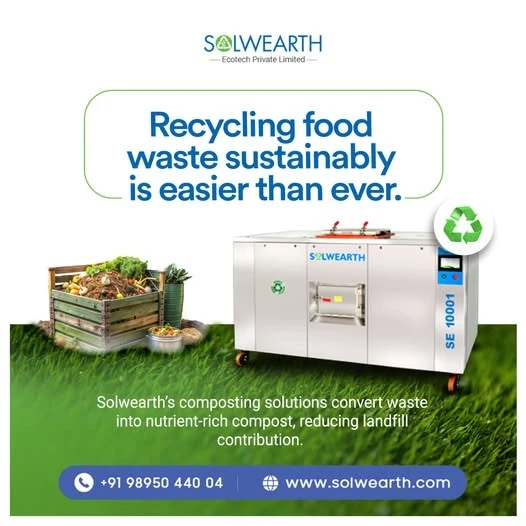
Food waste is one of the most pressing challenges faced by industries worldwide. From large-scale kitchens and food processing units to hotels and canteens, massive amounts of biodegradable waste are generated daily. Managing this waste efficiently is no longer optional—it is essential for sustainable business operations and environmental protection. This is where the role of a Food Waste Converter Machine becomes vital.
A Food Waste Converter Machine transforms organic food waste into useful by-products like compost or soil conditioners through natural biological processes. For industries looking to implement responsible waste disposal practices without compromising efficiency, these machines serve as practical and eco-friendly solutions.
As organizations increasingly prioritize environmental accountability, understanding these machines' functions, benefits, and applications is crucial. Below is a complete guide to how they work and why they represent a cornerstone of modern waste management efforts.
The Growing Need for Effective Food Waste Management
Industrial establishments such as restaurants, hospitality centers, and food manufacturers contribute significantly to the generation of food waste. Without proper treatment, this waste often ends up in landfills, causing odor, pests, and methane emissions that harm both urban hygiene and the environment.
Adopting a Food Waste Converter Machine addresses these concerns by promoting on-site waste processing. This not only minimizes transportation and landfill costs but also ensures compliance with sustainability goals and waste management regulations.
How a Food Waste Converter Machine Works
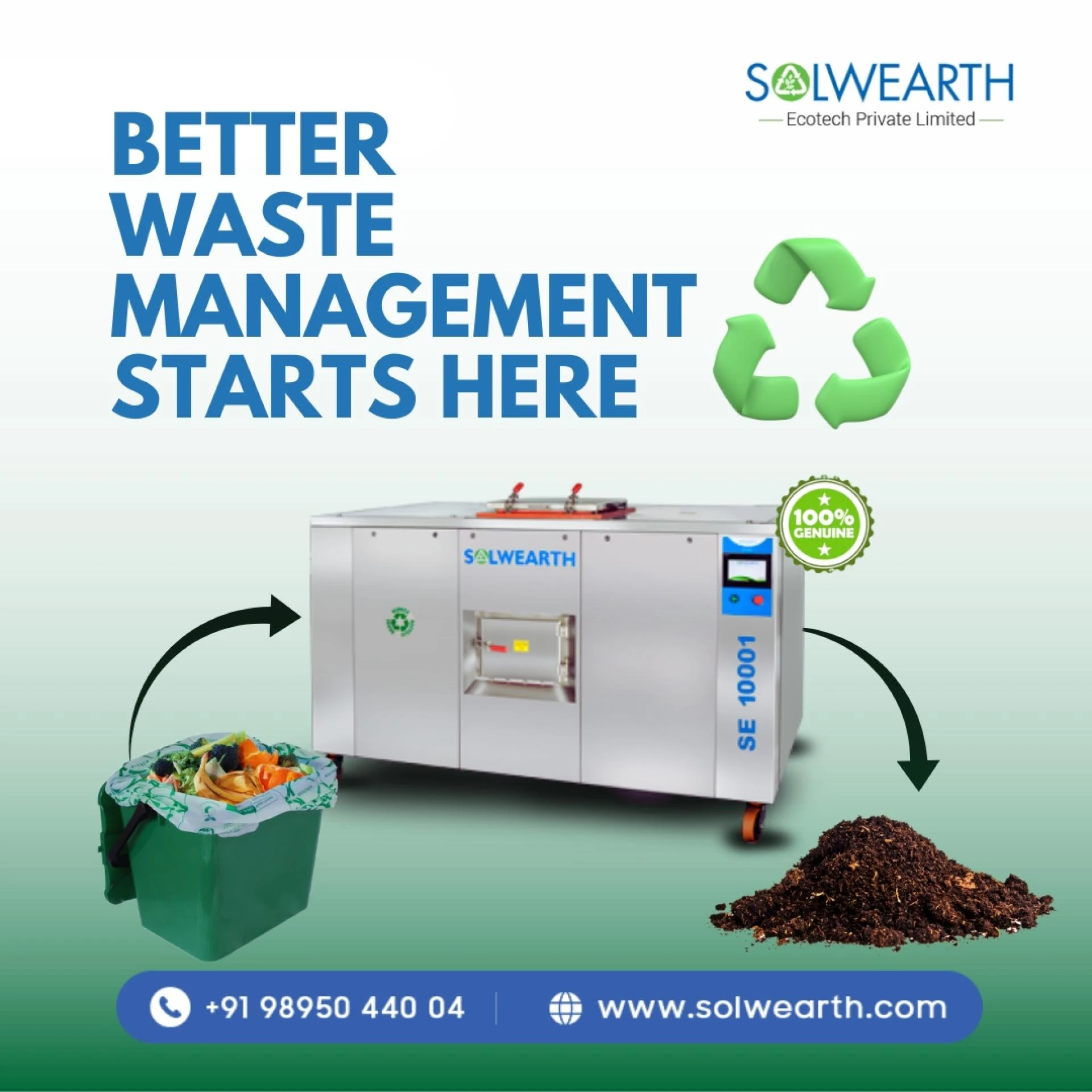
The operation of a typical Food Waste Converter Machine can be described in a few simple steps:
- Collection: Food scraps, vegetable peels, and leftovers are collected and placed into the converter.
- Shredding and Mixing: The waste is broken down mechanically to reduce size and increase surface area for treatment.
- Decomposition: Microbial action or heat-based processes accelerate decomposition, converting waste into compost or organic fertilizer.
- Output Generation: The result is an odorless and nutrient-rich material that can be reused for landscaping, farming, or horticulture.
This efficient system allows industries to convert daily waste into something beneficial, aligning their operations with eco-friendly practices.
Advantages of Using a Food Waste Converter Machine
Investing in a Food Waste Converter Machine offers numerous operational and environmental benefits that directly impact cost, efficiency, and sustainability.
Here are some key advantages:
- Reduced Waste Volume: Converts up to 80–90% of food waste into a compact, reusable form.
- Cost Efficiency: Minimizes waste disposal charges and storage requirements.
- Odor Control: Sealed processing ensures hygienic operations with minimal foul smells.
- Environmental Benefits: Less reliance on landfills helps reduce carbon footprint and methane emissions.
- Ease of Use: Fully automated models require minimal labor and maintenance.
- Compliance: Ensures adherence to eco-friendly waste management norms and sustainability guidelines.
Industrial and commercial setups benefit immensely from these machines, not only in terms of waste reduction but also through brand enhancement as sustainability becomes a global corporate standard.
Applications Across Industries
The versatility of a Food Waste Converter Machine allows its integration into multiple industrial and commercial sectors.
Some common applications include:
- Hotels and Restaurants: Reducing daily kitchen waste and maintaining hygienic premises.
- Food Processing Units: Managing discards from packaging and food preparation stages.
- Corporate Canteens: Handling large quantities of lunch and meal waste efficiently.
- Hospitals and Institutions: Maintaining sanitary conditions by processing leftover food daily.
- Municipal Facilities: Promoting decentralized composting systems for community use.
By adopting these solutions, organizations can establish responsible waste management frameworks and contribute to a sustainable future.
Understanding the Food Waste Management Machine
While the Food Waste Converter Machine focuses on the mechanical and biological breakdown of waste, the broader concept of a Food waste management machine includes equipment designed to handle segregation, dehydration, and composting. These machines streamline the process of food waste handling from start to finish.
Features often include automated sorting, low energy consumption, and odor control technologies. Integrated solutions like these ensure that every stage—from collection to conversion—is optimized for minimal environmental impact.
Organizations can choose between small-capacity units for restaurants or high-capacity industrial models for manufacturing and processing facilities, depending on their specific needs.
Why Choose a Food Waste Converter Machine in India
The demand for sustainable waste solutions is rapidly rising in India as industries, municipalities, and institutions take steps toward cleaner waste practices. Adopting a Food Waste Converter Machine in India allows organizations to lead by example in environmental stewardship.
With growing awareness about sustainable living and government emphasis on responsible waste disposal, many industries find these machines to be reliable, long-term investments. By turning waste into value, Indian businesses not only meet eco-regulatory standards but also create meaningful environmental change.
Key Considerations When Choosing a Machine
Before investing in a Food Waste Converter Machine, buyers should evaluate several factors to ensure they choose the right model:
- Capacity: Select based on daily volume of waste generated.
- Space Requirements: Choose compact or modular systems suitable for the available area.
- Automation Level: Opt for semi or fully automatic units depending on operator availability.
- Maintenance Needs: Ensure easy cleaning and low maintenance costs.
- Manufacturer Reputation: Partner with trusted names like Solwearth known for durability and efficiency.
These considerations help in selecting a system that matches operational requirements while offering maximum value and performance.
Conclusion
As industries continue to evolve, sustainable food waste management has become an integral part of responsible business operations. A Food Waste Converter Machine not only simplifies waste disposal but also transforms an environmental challenge into a resourceful solution.
By choosing the right Food waste management machine, businesses can reduce their ecological footprint, save costs, and contribute to a greener tomorrow. For companies seeking reliable and efficient solutions, the Food Waste Converter Machine in India stands as a modern answer to managing organic waste—turning sustainability from a vision into a daily practice.


























Sign in to leave a comment.