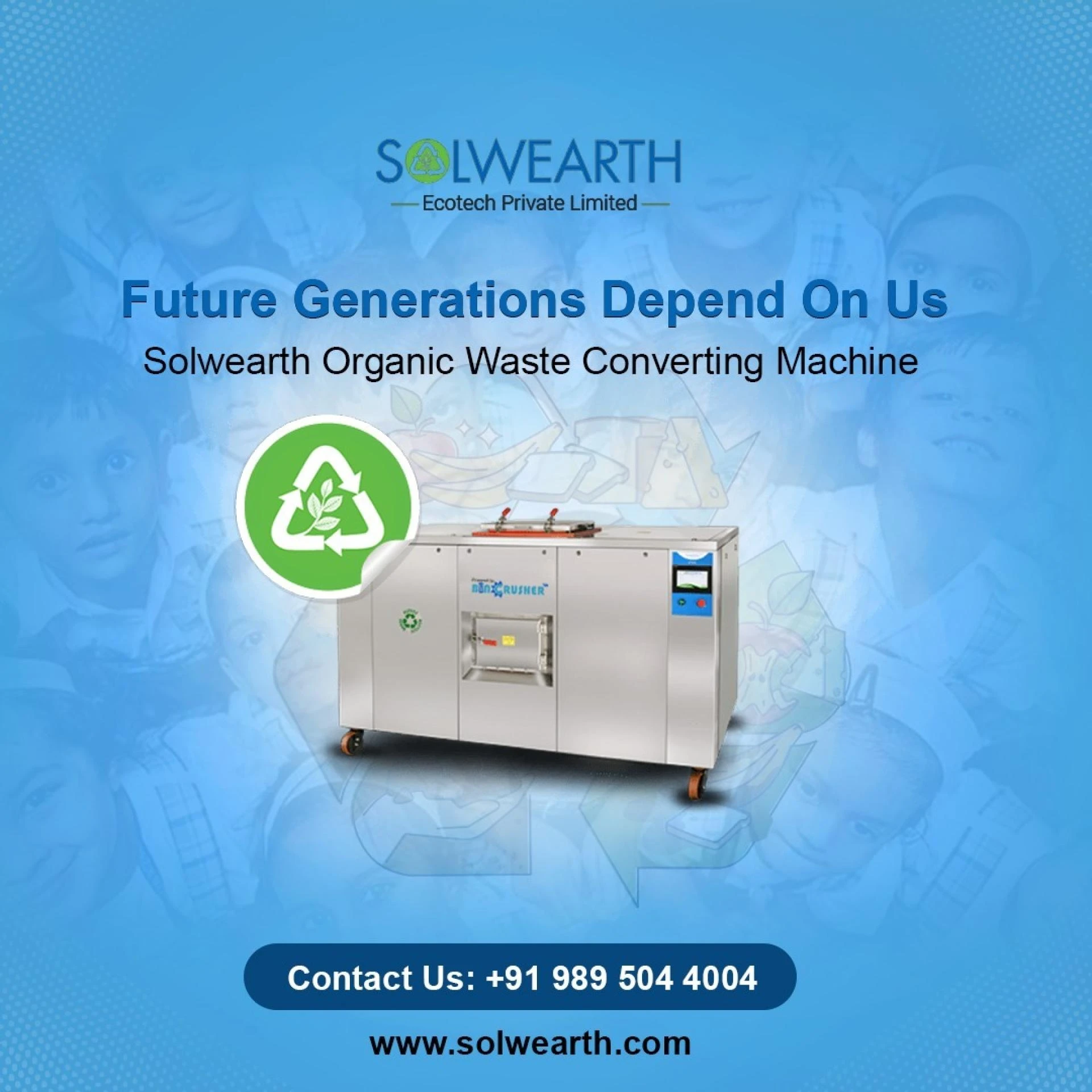
Running a restaurant today means dealing with more than just great food and service—it also means managing food waste responsibly. Busy kitchens generate peels, leftovers, trimmings, and uneaten portions every single day. When this isn’t handled properly, it leads to overflowing bins, odor, pests, and higher disposal costs. An OWC Machine (Organic Waste Converter) offers a smart, on-site way to turn this constant stream of waste into a manageable, useful resource. For a sustainability-focused brand like Solwearth, OWC technology is at the core of cleaner, greener restaurant operations.
Instead of sending all organic waste out with the trash, an OWC machine for restaurants processes it right where it is produced. This helps restaurants maintain hygiene, reduce their waste footprint, and position themselves as environmentally responsible businesses in the eyes of customers and staff alike.
What Is an OWC Machine?
An OWC Machine is a specialized organic waste converter machine designed to handle biodegradable waste such as:
- Vegetable and fruit peels
- Leftover cooked food
- Expired or unsold food items
- Coffee grounds, tea waste, and bread scraps
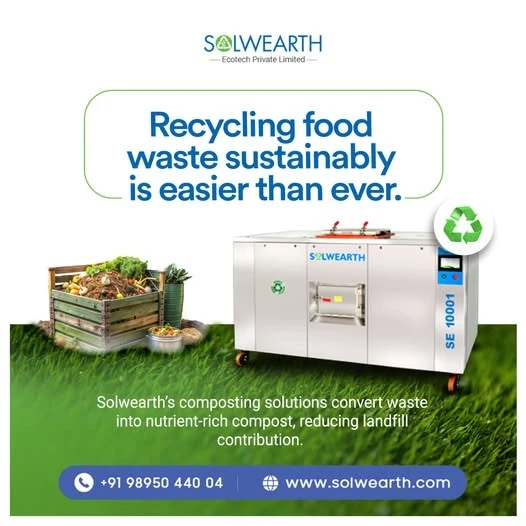
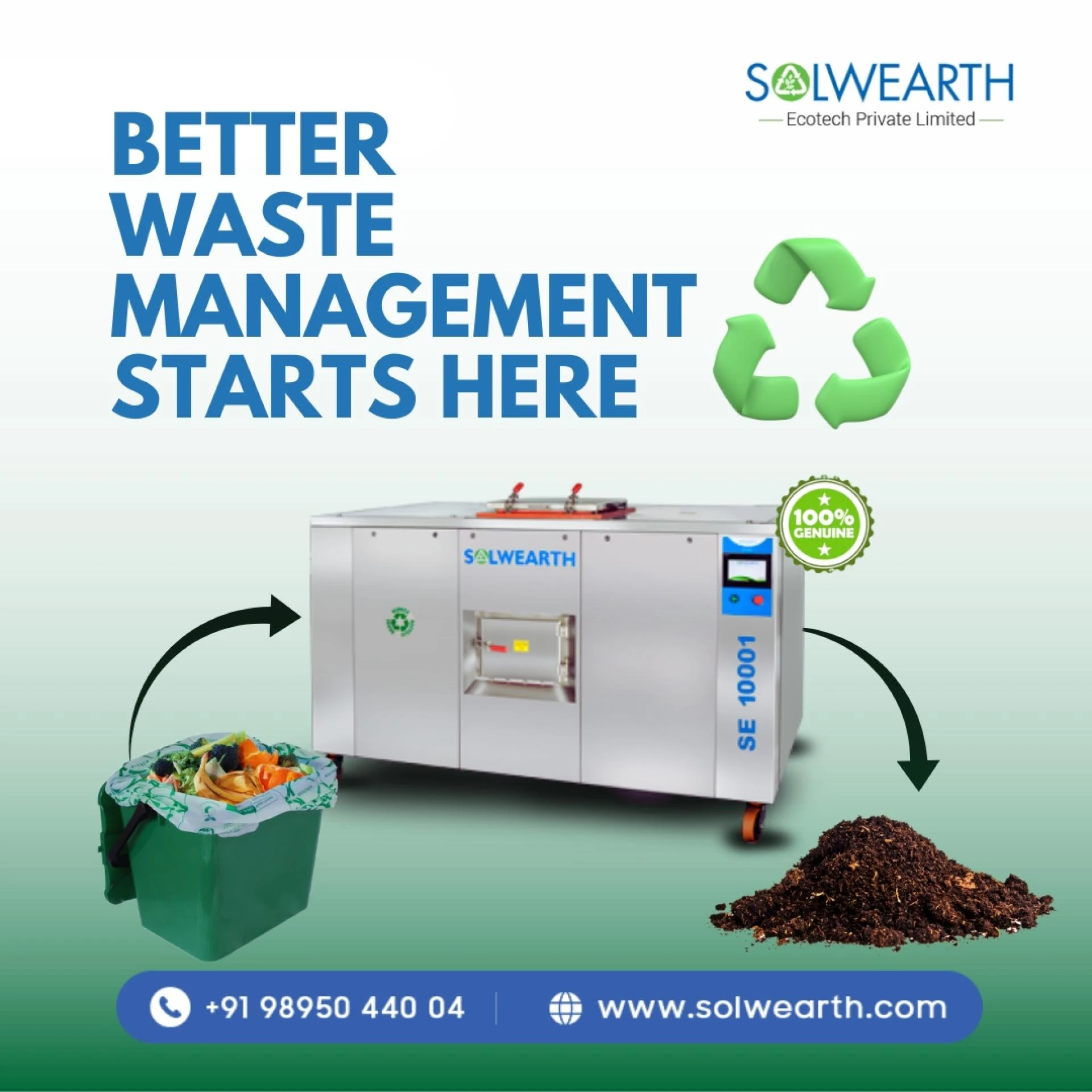
The machine uses a controlled process—typically involving shredding, mixing, and accelerated decomposition—to convert organic waste into a stable, compost-like material. In restaurant environments, this means food waste no longer has to sit in bins for hours; it is converted quickly into something far easier to handle.
Why Restaurants Need an OWC Machine
Restaurants operate in fast-paced, high-waste environments. An OWC machine for restaurants solves several recurring pain points at once.
Key reasons restaurants benefit from an OWC setup:
- Constant generation of food waste in prep areas and plate returns
- Limited storage space for multiple, overflowing garbage bins
- Need to maintain strict hygiene standards in kitchens and back areas
- Growing customer expectations around sustainability and eco-friendly practices
By installing an organic waste converter machine, restaurants transform waste management from a daily struggle into a streamlined, predictable process.
How an OWC Machine Works in a Restaurant
Although designs can vary, the overall workflow of an OWC Machine is straightforward and easy for staff to follow.
Typical step-by-step process:
- Segregation at Source
- Kitchen staff separate organic waste from plastics, glass, and metals during prep and clearing tables.
- Loading the Machine
- Segregated organic waste is deposited into the OWC Machine at scheduled times throughout the day.
- Shredding and Mixing
- Internal blades or mixers break down larger pieces and create a uniform mixture for faster processing.
- Accelerated Decomposition
- The organic waste converter machine maintains the right temperature, aeration, and moisture so that decomposition is rapid and controlled.
- Final Output
- Within a short cycle, the machine produces a dry, reduced-volume material resembling compost or soil conditioner, which is easy to store, transport, or use in gardens and landscapes.
Because the process is largely automated, staff effort remains minimal once good segregation habits are in place.
Key Benefits of OWC Machines for Restaurants
Installing an OWC machine for restaurants offers both operational and branding advantages.
1. Improved Hygiene and Odor Control
- Less wet waste sits in open bins.
- Back-of-house areas stay cleaner and more pleasant.
- Reduced chances of pests attracted by rotting food.
This contributes directly to a safer, more comfortable work environment for staff and a cleaner image for customers.
2. Reduced Waste Volume and Handling
- Organic waste is significantly reduced in volume after processing.
- Fewer heavy garbage bags need to be moved and stored.
- Less frequent waste pickups may be required.
For busy restaurants with limited space, this makes waste handling far more manageable.
3. Cost and Space Efficiency
- Smaller waste volume can lead to lower disposal and handling costs over time.
- Fewer external bins and storage areas are required.
- The OWC Machine consolidates waste treatment into a single, compact unit.
Especially in high-rent urban locations, saving space is a considerable advantage.
4. Sustainability and Brand Image
- Demonstrates a genuine commitment to eco-friendly operations.
- Appeals to customers who value responsible dining choices.
- Supports internal sustainability goals and green certifications.
Partnering with a sustainability-driven provider like solwearth helps restaurants turn their waste system into a talking point rather than an embarrassment.
5. Practical Use of Output
- The processed material can be used in on-site landscaping if available.
- It can also be shared with local gardeners or community green projects.
- This closes the loop by turning “waste” back into a useful resource.
Even if a restaurant does not use the compost directly, it is far easier to handle than loose food waste.
Features to Look for in an OWC Machine
When choosing an OWC Machine for a restaurant, it helps to focus on features that match daily operations:
- Compact footprint to fit into tight utility or back-area spaces
- Simple controls so staff can operate it with minimal training
- Fast processing cycles to keep up with daily waste generation
- Odor control systems for a better working environment
- Durable build to withstand continuous use in commercial settings
- Reliable service support from providers like solwearth
These features ensure that the machine supports the kitchen, rather than slowing it down.
Integrating an OWC Machine into Restaurant Operations
To get the best out of an OWC machine for restaurants, integration into daily routines is important:
- Train staff on proper segregation of organic and non-organic waste.
- Set clear times for loading the machine during and after service.
- Assign simple cleaning and basic maintenance tasks to designated staff.
- Track the amount of waste processed to understand benefits over time.
Once built into the workflow, using the organic waste converter machine becomes as routine as cleaning surfaces or shutting down the kitchen.
Conclusion
For modern restaurants, managing food waste efficiently is no longer optional; it is a core part of responsible operations. An organic waste converter machine turns constant, messy organic waste into a controlled, valuable output, improving hygiene, reducing volume, and boosting sustainability credentials. With the right OWC machine for restaurants, kitchens gain a reliable, on-site solution that fits smoothly into their daily rhythm.
By partnering with experienced providers like solwearth, restaurants can move beyond traditional waste disposal and embrace a complete waste management solution that reflects their values. In doing so, they not only keep their back-of-house running smoothly but also contribute to a cleaner, more sustainable future—one batch of converted food waste at a time.


























Sign in to leave a comment.